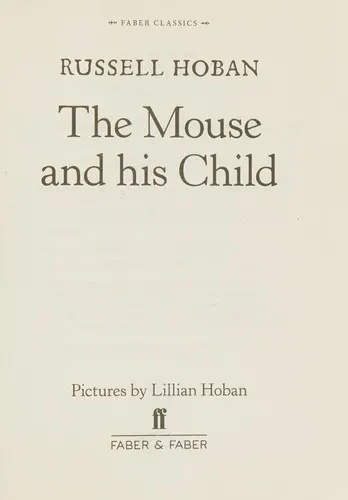
Books like The Mouse and His Child
The reader who treasures The Mouse and His Child wants wonder without insulation: comedy beside terror, philosophical questions inside a seemingly simple tale, and tenderness that has been earned rather than guaranteed.
If you liked The Mouse and His Child, you’ll love these
Not lookalikes — kindred books. Each one shares something essential with The Mouse and His Child, and we tell you exactly what.
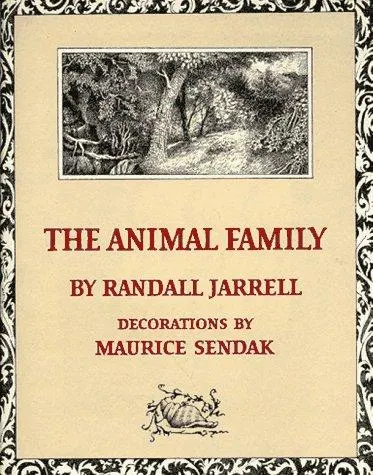
A solitary hunter living beside the sea meets a mermaid, and Jarrell lets their encounter retain all its strangeness. His lucid, poet’s prose makes loneliness, love, and the desire for a family comprehensible to children without shrinking those feelings to a child-sized scale.
Like Hoban, Jarrell treats impossible creatures as emotionally exact beings; the enchantment only sharpens the book’s awareness of time and loss. Maurice Sendak’s illustrations deepen that mingling of homeliness and mystery. This Newbery Honor book is very short, but it leaves the spacious, lingering ache of a much larger novel.
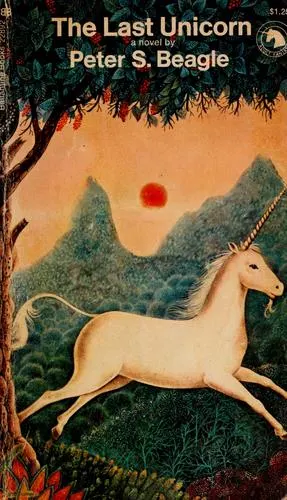
A unicorn overhears two hunters say that she may be the last of her kind and leaves her forest to learn whether it is true. From that opening, Beagle creates a quest at once comic, frightening, and piercingly melancholy.
Its closest bond with Hoban is its refusal to make innocence synonymous with ignorance. Beauty can be vain, goodness can be ineffectual, and love can carry consequences that no cheerful moral will erase. Beagle’s sly, self-aware storytelling keeps puncturing fantasy conventions without puncturing their emotional power. Its reputation as a modern fantasy classic rests on precisely this rare balance: readers remember the jokes, but they devote themselves to the sorrow.
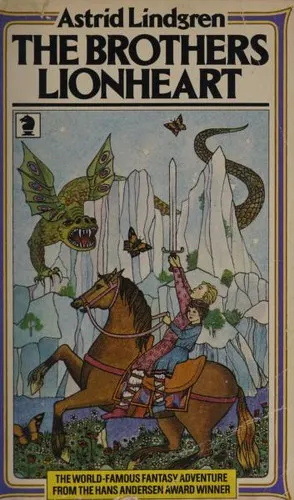
Lindgren begins with a sick child, Karl, being comforted by his adored older brother Jonathan, who tells him about Nangiyala, the country beyond death. Few children’s novels announce their stakes so plainly—or proceed with such warmth.
A lover of Hoban will recognize the moral seriousness: courage is not fearlessness, evil is not decorative, and devotion matters because the world can genuinely break what is loved. Yet Lindgren never becomes grim for grimness’s sake; the brothers’ affection gives the story radiance and momentum. Controversial when it appeared because it spoke so directly about death, it became one of Lindgren’s most fiercely cherished books. Missing it means missing one of children’s literature’s boldest acts of trust in its readers.