Author
Books like Nevil Shute
8 books we recommend to Nevil Shute readers, drawn from On the Beach, A Town Like Alice and Trustee from the Toolroom — each with the reason why.
If you loved On the Beach
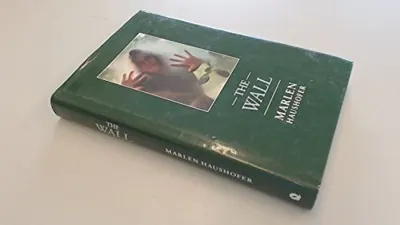
A woman staying in an Alpine hunting lodge wakes to find herself cut off from the world by an invisible barrier. What follows is less conventional apocalypse than meticulous testimony: tending animals, planting potatoes, measuring supplies, enduring weather and solitude.
Like Shute, Haushofer understands that routine can be both defense and moral choice. The unnamed narrator’s practical, unsentimental voice makes every attachment piercingly vivid, especially her fellowship with the animals dependent on her. Long a cult classic in German and increasingly recognized internationally as a major novel, The Wall turns survival into a profound inquiry about care, consciousness, and what remains human after society disappears.

Kathy H., a professional carer, looks back on her childhood at the secluded English school Hailsham and on the friendships that shaped her. Ishiguro lets the truth of her circumscribed world emerge through memories, euphemisms, jealousies, and things everyone has learned not to say directly.
That makes it a deep emotional relative of On the Beach: both novels place people under a sentence they cannot escape, then watch them seek dignity through work, love, manners, and small consolations. Ishiguro’s famous restraint is merciless here; the calm voice does not soften the grief but stores it until ordinary objects and half-finished conversations become unbearable. Widely regarded as one of his finest novels, it is the rare modern classic whose heartbreak grows larger after the final page.
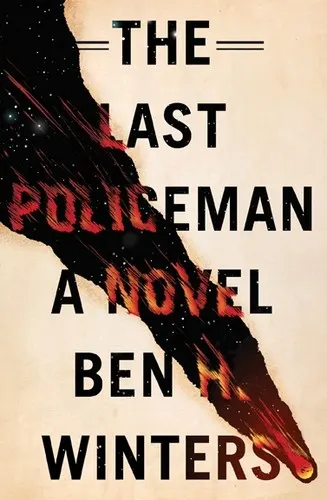
With an asteroid approaching Earth and civilization already beginning to fray, Detective Hank Palace insists on investigating a death everyone else is willing to call a suicide. His stubborn professionalism might initially seem absurd—but that is precisely the novel’s moral center.
Where Shute asks how people behave when the future has vanished, Winters asks what duty means when consequences may soon vanish too. Hank is not a grand hero: he follows leads, writes things down, and tries to do his job properly while others abandon theirs. The result is both an ingenious detective novel and an unexpectedly moving study of character under terminal pressure. Winner of the Edgar Award for Best Paperback Original and the opening of a devotedly admired trilogy, it makes procedural persistence feel like a last defense of civilization.
If you loved A Town Like Alice

Sarah Burton returns to Yorkshire determined to transform a girls’ school, only to discover that education is inseparable from poverty, housing, local politics, and human pride. Like Jean Paget, she is energetic without being idealized: her ambitions have costs, and her encounters with a struggling landowner carry the friction of two formidable people rather than the machinery of conventional romance.
Holtby makes council meetings and municipal budgets genuinely dramatic because they determine how people live. That same movement from one woman’s resolve to an entire community’s future is central to A Town Like Alice. Winner of the James Tait Black Memorial Prize, South Riding remains an unusually vigorous, generous social novel—one that may leave you impatient with books in which conviction never becomes action.
Hannah Coulter looks back on a life shaped by wartime separation, love, bereavement, farm work, and membership in the small Kentucky community of Port William. Berry’s lucid, unshowy prose has Shute’s confidence that emotional force does not require melodrama; the deepest moments arrive through remembered gestures, shared labor, and things left unsaid.
Where A Town Like Alice asks how survival can become renewal, Hannah Coulter asks how a person builds a whole life after history has broken into it. Hannah’s strength is practical rather than theatrical, and her understanding of love includes land, neighbors, obligation, and memory. A cherished entry in Berry’s celebrated Port William sequence, it is brief enough to read quickly but possesses the emotional weight of a family chronicle. Missing it means missing one of fiction’s most convincing accounts of gratitude earned through hardship.
If you loved Trustee from the Toolroom
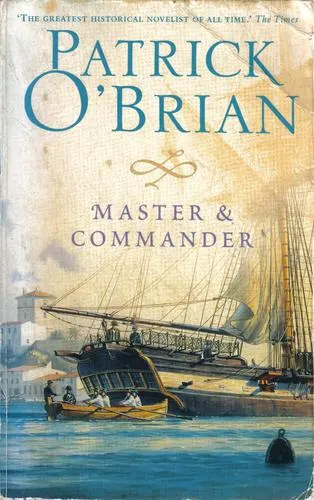
Keith Stewart’s ingenuity is never mere decoration: knowing how things work becomes a form of courage. Patrick O’Brian builds his novel on the same principle. When Jack Aubrey receives his first command and recruits Stephen Maturin as ship’s surgeon, seamanship, medicine, weather, and maintenance become inseparable from character.
O’Brian also shares Shute’s gift for friendship founded on respect rather than effusion. His people reveal themselves through work, small courtesies, and behavior under pressure. This is the opening of the twenty-volume Aubrey–Maturin sequence, whose exceptionally devoted readership treats its crowded, fully functioning world as somewhere to revisit. If the technical confidence and modest heroism of Trustee delighted you, this is an adventure of comparable substance—and the entrance to one of historical fiction’s great long voyages.
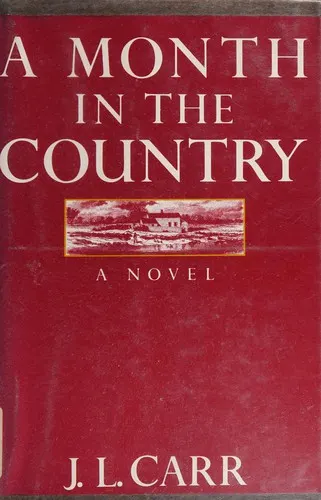
Tom Birkin arrives in a Yorkshire village after the First World War to uncover a medieval wall painting. Carr makes the painstaking labor tangible: the eye learning to distinguish marks, the hand recovering what time has hidden, skill gradually restoring the person who possesses it.
This short, Booker-shortlisted novel has become a modern classic because it achieves enormous emotional force without raising its voice. Like Shute, Carr understands reserved people, useful work, makeshift accommodations, and kindness offered without ceremony. It lacks Trustee’s geographical sweep, but preserves its deepest pleasure: watching an apparently ordinary craftsman prove that attention, patience, and decency are heroic qualities. Few novels this brief leave behind such a complete world—or such lasting gratitude for having entered it.

Maia, an unwanted and inexperienced imperial son, is suddenly placed on the throne. He possesses none of the qualities his court mistakes for strength; what he has are careful attention, humility, curiosity, and an instinct to treat other people as people.
That makes this Locus Award winner an unexpectedly close relation to Trustee from the Toolroom. Both novels entrust immense responsibility to an underestimated man and then show decency operating not as naïveté but as practical intelligence. Addison makes audiences, paperwork, etiquette, and appointments genuinely absorbing because Maia must learn how an intricate human machine works—and where a small, thoughtful intervention can change it. Readers cherish the novel for its hard-won warmth. Beneath the ceremonial names and courtly machinery lies the same exhilarating promise Shute makes: the right quiet man may be far more capable than anyone imagines.