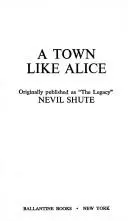
Books like A Town Like Alice
A Town Like Alice and Winifred Holtby’s South Riding both understand that the most stirring heroine is one who turns private courage into public good. These novels likewise prize competence, steadfast love, and communities built through ordinary acts of responsibility.
If you liked A Town Like Alice, you’ll love these
Not lookalikes — kindred books. Each one shares something essential with A Town Like Alice, and we tell you exactly what.
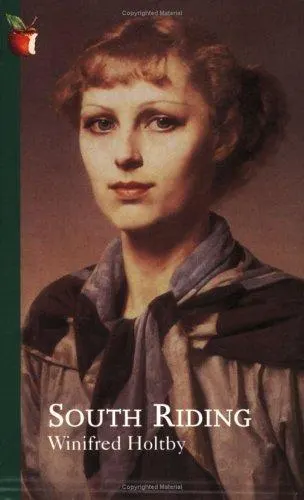
Sarah Burton returns to Yorkshire determined to transform a girls’ school, only to discover that education is inseparable from poverty, housing, local politics, and human pride. Like Jean Paget, she is energetic without being idealized: her ambitions have costs, and her encounters with a struggling landowner carry the friction of two formidable people rather than the machinery of conventional romance.
Holtby makes council meetings and municipal budgets genuinely dramatic because they determine how people live. That same movement from one woman’s resolve to an entire community’s future is central to A Town Like Alice. Winner of the James Tait Black Memorial Prize, South Riding remains an unusually vigorous, generous social novel—one that may leave you impatient with books in which conviction never becomes action.
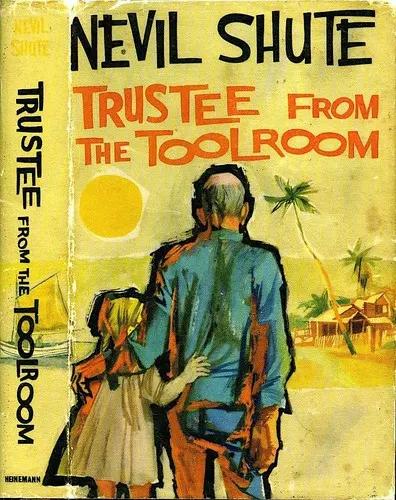
Shute’s final novel distills the qualities that make A Town Like Alice so satisfying. Keith Stewart is an apparently unremarkable technical journalist whose responsibility for his young niece sends him far beyond his modest English life. His great assets are not wealth or glamour but patience, mechanical ingenuity, and a reputation for helping fellow enthusiasts.
The pleasure lies in watching practical knowledge become a form of heroism. Shute also repeats one of his loveliest convictions: decent people create invisible networks of trust, and those networks can prove stronger than formal power. Keith is very different from Jean, but they share the capacity to assess a problem, do the necessary work, and inspire loyalty without demanding it. For many Shute readers, this warm, quietly adventurous farewell feels like the purest expression of his humane worldview.
Hannah Coulter looks back on a life shaped by wartime separation, love, bereavement, farm work, and membership in the small Kentucky community of Port William. Berry’s lucid, unshowy prose has Shute’s confidence that emotional force does not require melodrama; the deepest moments arrive through remembered gestures, shared labor, and things left unsaid.
Where A Town Like Alice asks how survival can become renewal, Hannah Coulter asks how a person builds a whole life after history has broken into it. Hannah’s strength is practical rather than theatrical, and her understanding of love includes land, neighbors, obligation, and memory. A cherished entry in Berry’s celebrated Port William sequence, it is brief enough to read quickly but possesses the emotional weight of a family chronicle. Missing it means missing one of fiction’s most convincing accounts of gratitude earned through hardship.