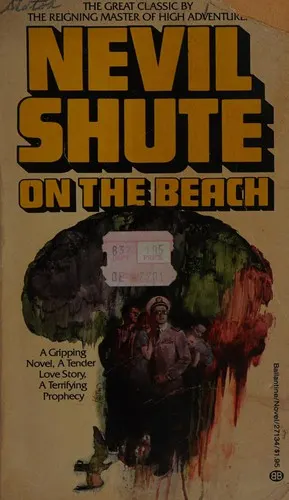
Books like On the Beach
—because what lingers is not the catastrophe itself, but the composure of ordinary people carrying on when hope has become impossible. These three novels share Shute’s restraint, moral seriousness, and devastating attention to daily life.
If you liked On the Beach, you’ll love these
Not lookalikes — kindred books. Each one shares something essential with On the Beach, and we tell you exactly what.
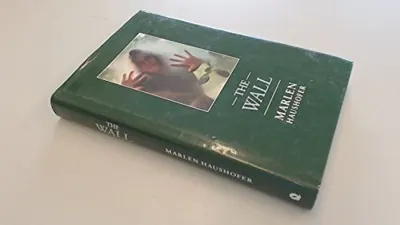
A woman staying in an Alpine hunting lodge wakes to find herself cut off from the world by an invisible barrier. What follows is less conventional apocalypse than meticulous testimony: tending animals, planting potatoes, measuring supplies, enduring weather and solitude.
Like Shute, Haushofer understands that routine can be both defense and moral choice. The unnamed narrator’s practical, unsentimental voice makes every attachment piercingly vivid, especially her fellowship with the animals dependent on her. Long a cult classic in German and increasingly recognized internationally as a major novel, The Wall turns survival into a profound inquiry about care, consciousness, and what remains human after society disappears.
Kathy H., a professional carer, looks back on her childhood at the secluded English school Hailsham and on the friendships that shaped her. Ishiguro lets the truth of her circumscribed world emerge through memories, euphemisms, jealousies, and things everyone has learned not to say directly.
That makes it a deep emotional relative of On the Beach: both novels place people under a sentence they cannot escape, then watch them seek dignity through work, love, manners, and small consolations. Ishiguro’s famous restraint is merciless here; the calm voice does not soften the grief but stores it until ordinary objects and half-finished conversations become unbearable. Widely regarded as one of his finest novels, it is the rare modern classic whose heartbreak grows larger after the final page.
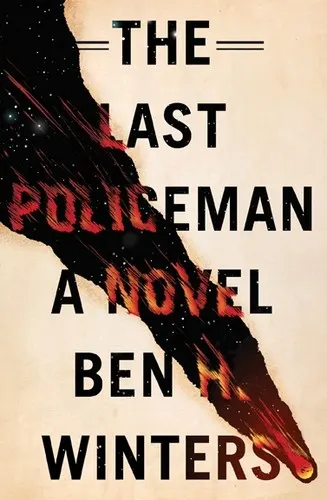
With an asteroid approaching Earth and civilization already beginning to fray, Detective Hank Palace insists on investigating a death everyone else is willing to call a suicide. His stubborn professionalism might initially seem absurd—but that is precisely the novel’s moral center.
Where Shute asks how people behave when the future has vanished, Winters asks what duty means when consequences may soon vanish too. Hank is not a grand hero: he follows leads, writes things down, and tries to do his job properly while others abandon theirs. The result is both an ingenious detective novel and an unexpectedly moving study of character under terminal pressure. Winner of the Edgar Award for Best Paperback Original and the opening of a devotedly admired trilogy, it makes procedural persistence feel like a last defense of civilization.