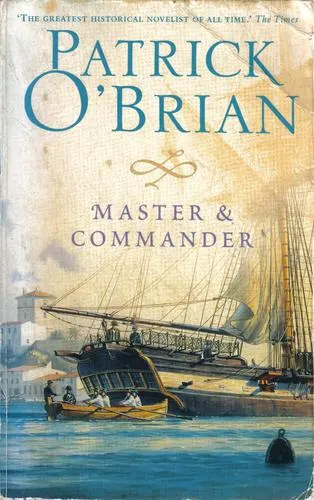
Books like Master and Commander
The music begins in Port Mahon, and Jack Aubrey’s delight is spoiled by the small, sharp-elbowed stranger keeping time beside him. From that wonderfully hostile encounter grow O’Brian’s chief pleasures: unlikely friendship, exact knowledge, dry comedy, and history made vividly present.
If you liked Master and Commander, you’ll love these
Not lookalikes — kindred books. Each one shares something essential with Master and Commander, and we tell you exactly what.
The essential next book. With peace sending Jack ashore, O’Brian moves into drawing rooms, courtship, money troubles, and social maneuvering without sacrificing the nautical intelligence of Master and Commander. His comedy becomes almost Austen-like: Jack can read a dangerous sea more readily than a room, while Stephen observes human behavior with amused, melancholy precision.
Most importantly, the Aubrey–Maturin friendship becomes richer, more difficult, and more indispensable. Post Captain reveals that the series is not merely a succession of brilliant sea adventures but one enormous novel about two contrasting men growing older together. To stop before it is to leave O’Brian’s greatest achievement just as it is taking shape.

Bengtsson shares O’Brian’s gift for making expertise entertaining. Seamanship, trade, feasting, combat, law, and religion emerge through what capable people actually do, never through dutiful historical exposition. His hero, Orm, enters a violent and unpredictable world in which survival depends as much on judgment, luck, and good companions as on strength.
The great attraction is the tone: laconic, humane, and extremely funny, especially when its characters treat appalling dangers as practical inconveniences. Michael Meyer’s English translation helped make this Swedish classic a lasting favorite among readers who cherish literate adventure. It offers the same rare satisfaction as O’Brian: a vanished culture becomes comprehensible without becoming modern, quaint, or solemn.
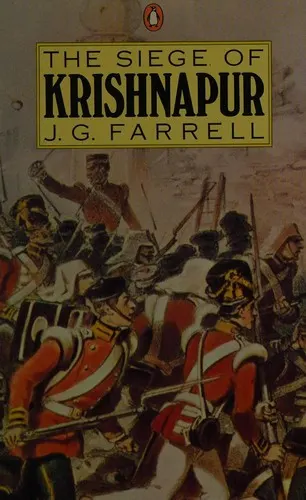
Farrell’s Booker Prize–winning novel is for the reader who relished O’Brian’s collision of physical danger, institutional absurdity, and skeptical intelligence. In a British colonial settlement threatened during the Indian Rebellion of 1857, an ensemble of officials, soldiers, doctors, idealists, and social climbers discovers how fragile its certainties are.
Farrell is superb on material reality: defenses, ammunition, medicine, food, machinery, and improvised solutions all matter. Yet every practical detail also sharpens his comedy about empire and Victorian faith in progress. The result is both gripping and intellectually ruthless, with bravery and folly occupying the same rooms. Few historical novels balance excitement, black humor, and moral scrutiny so confidently.