Author
Books like Margaret Laurence
5 books we recommend to Margaret Laurence readers, drawn from The Stone Angel and The Diviners — each with the reason why.
If you loved The Stone Angel
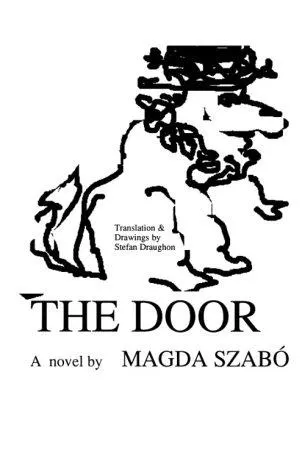
Few novels understand as sharply as The Stone Angel that love can become a contest of wills. A writer hires Emerence, an imperious, fiercely private housekeeper who gives care unstintingly but only on her own terms. Their bond deepens into an intimacy shaped by loyalty, pride, resentment, and a devastating struggle over who has the right to help whom.
Szabó makes Emerence as indelible and difficult as Hagar: both women have built identities around endurance and would rather suffer than submit. Yet The Door is also a haunting confession about the damage done when affection fails to respect another person’s dignity. Long revered in Hungary and acclaimed internationally in Len Rix’s translation, it has the moral force of a classic: after reading it, the very idea of rescuing someone will feel less innocent.
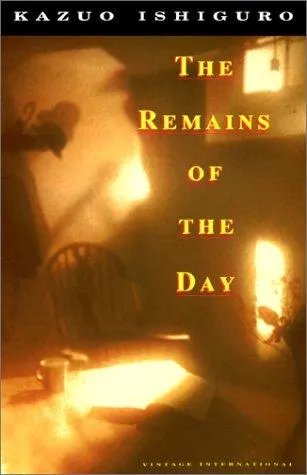
Hagar’s voice is gripping partly because she reveals truths she cannot quite admit. Ishiguro performs a similarly exquisite feat with Stevens, an English butler who takes a motoring holiday and looks back on a lifetime devoted to professional dignity. His immaculate narration gradually exposes the emotional cost of making restraint into a creed.
The Booker Prize–winning novel is quieter than The Stone Angel, but no less ruthless. Every polished phrase trembles with what Stevens has trained himself not to say, especially about loyalty, moral responsibility, and missed love. Ishiguro turns understatement into suspense: the reader sees the shape of a life before its owner can bear to. It is one of the indispensable novels of belated self-knowledge.
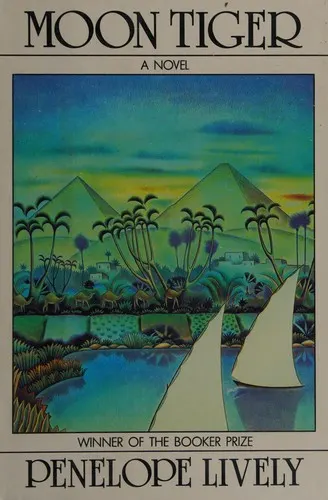
For readers exhilarated by Hagar’s refusal to become a sweet, compliant old woman, Claudia Hampton is essential company. Near the end of her life, this brilliant, abrasive historian decides to compose a history of the world—one that naturally keeps breaking into the history of herself. Memory ignores chronology, competing versions of the past collide, and Claudia remains gloriously unwilling to apologize for the size of her presence.
Lively’s Booker Prize winner matches Laurence’s unsentimental treatment of age while giving recollection a dazzlingly fluid form. Claudia’s vanity and cruelty are never softened, but neither is her appetite for experience; beneath her defiance lies a love whose force reorganizes the novel. Moon Tiger has inspired lasting devotion because it refuses to reduce a difficult woman to either monster or victim. Claudia insists on being a whole life, and the book makes that insistence magnificent.
If you loved The Diviners
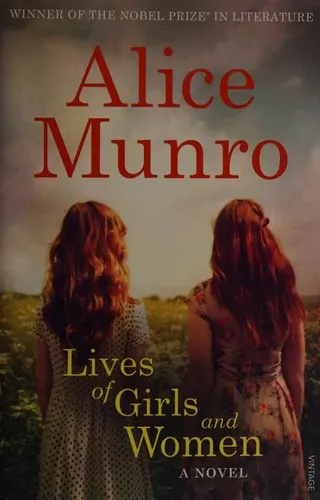
Del Jordan observes small-town Ontario with the same mixture of attachment, impatience, comedy, and imaginative hunger that Morag brings to Manawaka. Munro understands how a community supplies a young woman with both her material and the limiting roles she must resist.
This is Munro’s closest approach to a conventional novel, and it already displays the exactness that later made her a Nobel laureate: a gesture or shabby room can reveal an entire hierarchy of desire. Readers who loved Laurence’s transformation of local speech and supposedly ordinary lives into art will recognize a sister work here—leaner than The Diviners, but just as alert to the moment experience becomes story.

Thomas King turns storytelling itself into exuberant action. Indigenous creation stories, biblical and literary traditions, contemporary lives, jokes, repetitions, and interruptions all speak across one another, refusing the idea that history has a single authorized voice. The result is playful on the surface and devastatingly exact underneath.
A reader drawn to Laurence’s use of songs, ancestral narratives, and competing versions of Canadian identity will find King’s novel a bracing expansion of those concerns. Now regarded as a landmark of contemporary Indigenous fiction, it exposes the stories settler culture treats as natural while demonstrating the resilience of stories that will not stay suppressed. It is intellectually audacious, very funny, and unlike almost anything else.