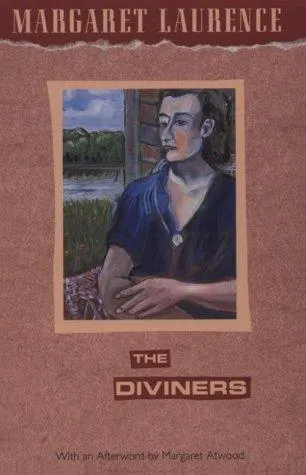
Books like The Diviners
Reckonings. The Diviners makes a life compelling by showing how memory, inherited stories, place, and artistic invention continually revise one another. These novels share that deep interest in who controls a story—and what it costs a woman to claim her own.
If you liked The Diviners, you’ll love these
Not lookalikes — kindred books. Each one shares something essential with The Diviners, and we tell you exactly what.
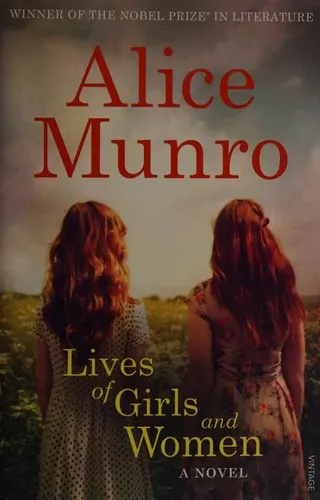
Del Jordan observes small-town Ontario with the same mixture of attachment, impatience, comedy, and imaginative hunger that Morag brings to Manawaka. Munro understands how a community supplies a young woman with both her material and the limiting roles she must resist.
This is Munro’s closest approach to a conventional novel, and it already displays the exactness that later made her a Nobel laureate: a gesture or shabby room can reveal an entire hierarchy of desire. Readers who loved Laurence’s transformation of local speech and supposedly ordinary lives into art will recognize a sister work here—leaner than The Diviners, but just as alert to the moment experience becomes story.
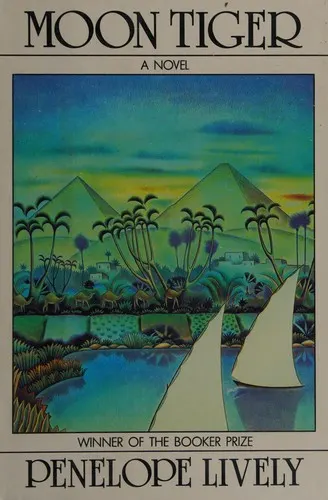
At the beginning of this Booker Prize winner, the formidable Claudia Hampton lies in a hospital and announces that she is writing a history of the world. What follows is really a challenge to orderly biography: private memory collides with public history, scenes return from altered viewpoints, and contradictions become evidence of a fully lived life rather than flaws to be corrected.
Claudia is as difficult, intelligent, sensual, and unapologetically self-defining as Morag. Lively’s elegant structural daring will especially satisfy readers who loved Laurence’s interwoven recollections, documents, and invented forms. Moon Tiger is short, but its emotional scale is immense; it leaves the exhilarating sense that one woman’s consciousness can contain an era.
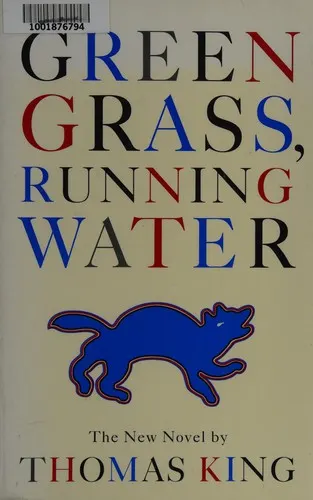
Thomas King turns storytelling itself into exuberant action. Indigenous creation stories, biblical and literary traditions, contemporary lives, jokes, repetitions, and interruptions all speak across one another, refusing the idea that history has a single authorized voice. The result is playful on the surface and devastatingly exact underneath.
A reader drawn to Laurence’s use of songs, ancestral narratives, and competing versions of Canadian identity will find King’s novel a bracing expansion of those concerns. Now regarded as a landmark of contemporary Indigenous fiction, it exposes the stories settler culture treats as natural while demonstrating the resilience of stories that will not stay suppressed. It is intellectually audacious, very funny, and unlike almost anything else.