Author
Books like Khaled Hosseini
6 books we recommend to Khaled Hosseini readers, drawn from The Kite Runner and A Thousand Splendid Suns — each with the reason why.
If you loved The Kite Runner
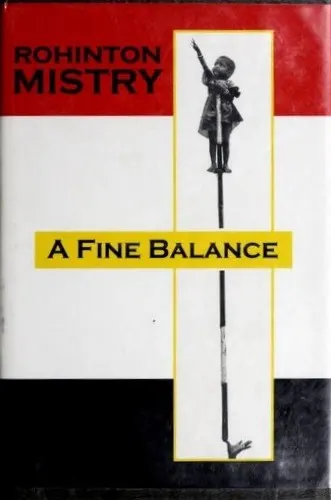
Like Hosseini, Mistry makes enormous political forces intimate. In 1970s India, four people divided by caste, class, and circumstance are pushed into an improvised household; their hesitant acts of trust become as gripping as any conventional suspense plot.
The kinship lies in its moral intensity: kindness matters because the world makes kindness costly. Mistry writes with warmth, humor, and devastating clarity, giving even minor characters complete inner lives. Winner of the Giller Prize and shortlisted for the Booker, A Fine Balance has inspired unusually fierce devotion. It is harrowing, but its portrait of friendship under pressure is too humane—and too alive—to miss.
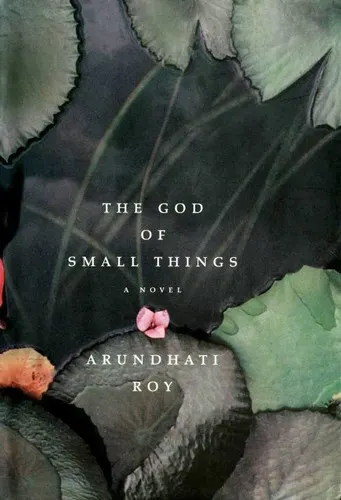
If the childhood betrayal and adult reckoning in The Kite Runner affected you most, read this Booker Prize winner. Roy begins with a fractured family, separated twins, and a death whose meaning must be recovered from memory. The children understand only pieces of the adult world, while the reader gradually sees how prejudice, desire, and family loyalty have shaped their fate.
Roy’s language is more playful and intricate than Hosseini’s, capturing how children mishear words and preserve trauma in private images. Yet beneath that stylistic brilliance is the same terrible question: what happens when love crosses a boundary society is determined to enforce? Few novels show more powerfully how one charged period of childhood can govern an entire life.
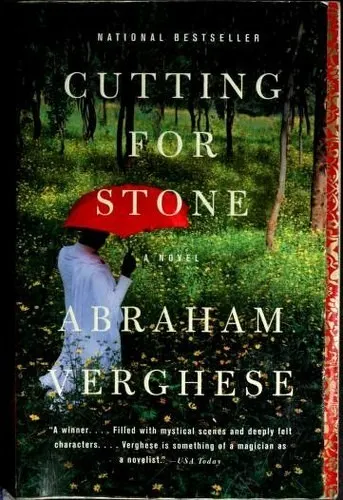
Verghese offers the emotional sweep, family secrets, and hard-won forgiveness that make Hosseini so compelling. Twin brothers Marion and Shiva are born in an Ethiopian mission hospital after their mother dies and their father disappears; from that dramatic opening, Verghese builds a richly inhabited story of brotherhood, medicine, migration, rivalry, and belonging.
This is the most generous recommendation here: an immersive novel filled with gifted doctors, imperfect parents, sensual detail, and characters readers miss after the final page. A long-running bestseller and book-club favorite, Cutting for Stone earns its length by making a whole community feel real. If you want another grand story in which betrayal does not cancel the possibility of grace, it is essential reading.
If you loved A Thousand Splendid Suns
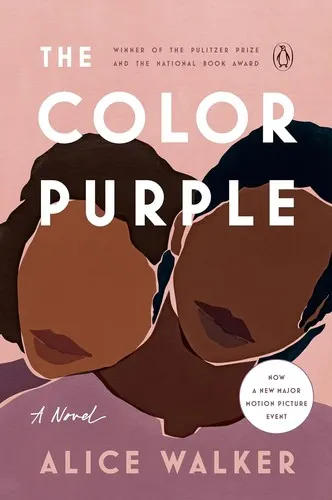
Celie begins by writing letters to God because she has no safe human listener. Her spare, unpolished voice records abuse and humiliation, but it also gradually becomes the instrument through which she recognizes her own worth.
Like A Thousand Splendid Suns, this is a novel about women creating forms of family in defiance of male violence. Walker makes companionship feel not merely comforting but revolutionary: being seen by another woman can alter what a life seems permitted to contain. Winner of both the Pulitzer Prize and the National Book Award, The Color Purple remains beloved because its movement from enforced silence toward self-possession is almost unbearably moving.
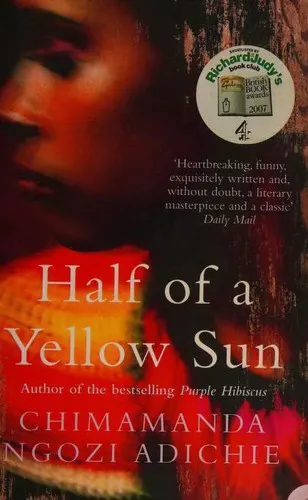
Adichie brings the Biafran War into kitchens, university rooms, friendships, and love affairs, showing how public catastrophe invades the smallest private choices. Her characters are intelligent, compromised, passionate people rather than emblems of suffering, and the novel’s shifting viewpoints make every certainty feel vulnerable.
Readers who admired Hosseini’s ability to turn history into immediate human experience will find the same gift here, sharpened by Adichie’s moral complexity and sensual detail. Half of a Yellow Sun won the Orange Prize and was later chosen as the Women’s Prize’s “Best of the Best”—recognition worthy of a novel that has become many readers’ defining imaginative encounter with Biafra.
As American bombs fall on Hanoi, a grandmother begins telling her granddaughter the story of a family repeatedly scattered by famine, political upheaval, and war. Nguyễn Phan Quế Mai, an acclaimed Vietnamese poet, gives the narration a lyrical clarity that makes remembered hunger, separation, and tenderness feel startlingly close.
Its deepest kinship with A Thousand Splendid Suns lies in its insistence that endurance is never abstract: it consists of meals found, stories preserved, and love maintained when history turns relatives against one another. Yet the novel is distinctly its own—multigenerational, steeped in Vietnamese language and memory, and attentive to wounds left out of familiar Western accounts. It offers the rare satisfaction of discovering both an intimate family story and an entire moral landscape.