Author
Books like Ken Kesey
5 books we recommend to Ken Kesey readers, drawn from One Flew Over the Cuckoo's Nest and Sometimes a Great Notion — each with the reason why.
If you loved One Flew Over the Cuckoo's Nest
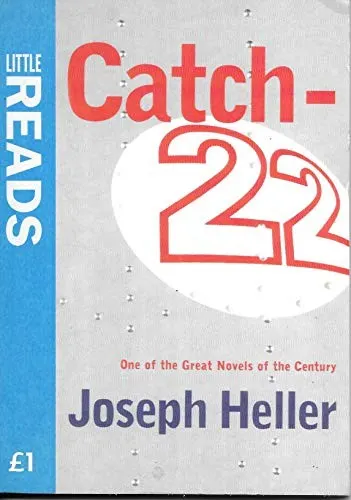
Heller turns institutional power into a self-sealing language: every regulation proves its own necessity, and every attempt to escape confirms your guilt. Like Kesey, he makes laughter a form of resistance while steadily revealing the suffering beneath the comedy.
Its airmen form an unforgettable gallery of eccentrics, but the novel’s great creation is Yossarian, whose refusal to accept officially sanctioned madness makes him seem mad to everyone else. Few novels have altered everyday speech; “Catch-22” became the name for an entire species of bureaucratic trap. If you loved watching Kesey expose reason as power wearing a respectable mask, Heller’s masterpiece is indispensable.
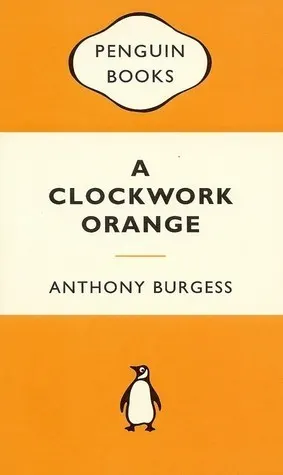
Burgess asks the disturbing question lurking inside Kesey’s novel: if society can manufacture good behavior by destroying the capacity to choose, has it cured anyone—or merely perfected control? Its young narrator, Alex, is monstrous, magnetic, funny, and terrifying, making resistance impossible to romanticize safely.
The invented slang initially feels like a barrier, then becomes the book’s intoxicating engine; before long, you are hearing the world through Alex’s corrupted music. That linguistic feat helped make the novel one of the most influential dystopias of the twentieth century. Where McMurphy tests the cost of rebellion, Burgess tests whether freedom retains its value when the person claiming it is anything but innocent. It is brief, brutal, and very hard to shake.
If you loved Sometimes a Great Notion
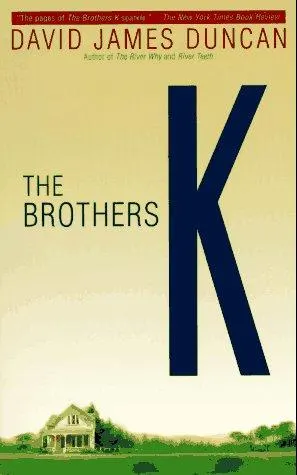
This is perhaps the closest thing to Kesey’s expansive, rain-soaked family music without being an imitation. In a Washington mill town, the Chance family revolves around a damaged baseball-playing father, a fiercely devout mother, and six children whose competing loyalties grow more consequential as the country moves toward Vietnam.
Duncan shares Kesey’s gift for making a family feel like a nation: argumentative, funny, myth-making, and divided against itself. His characters speak with irresistible individuality, while the novel ranges from slapstick to spiritual anguish without shrinking either. A beloved modern family saga, The Brothers K is the sort of long novel readers finish grieving that there is no more of it.
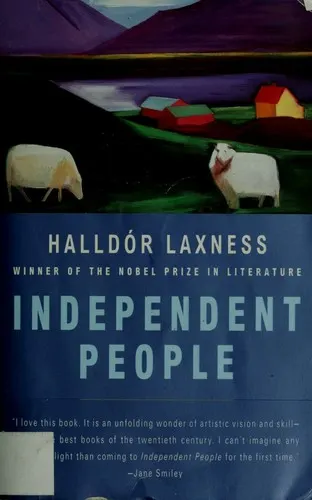
If Hank Stamper’s magnificent, ruinous refusal to yield was central to your love of Sometimes a Great Notion, meet Bjartur of Summerhouses. An Icelandic sheep farmer obsessed with owing nothing to anyone, Bjartur treats independence not as a preference but as a sacred law—even when those nearest him must live beneath its weight.
Laxness understands both the grandeur and the cruelty of such self-reliance. The book is elemental, sardonic, tender, and unsentimental about poverty; its harsh landscapes never become scenery, because weather, labor, debt, and pride shape every human relationship. Laxness later received the Nobel Prize, and this is widely regarded as his masterpiece: a devastating test of the heroic ideal Kesey both celebrates and indicts.
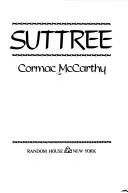
Read Suttree for the sensation of entering a world whose river, laborers, drunks, eccentrics, and derelicts possess more life than most novels’ respectable citizens. Its protagonist has abandoned privilege to live in a houseboat on the Tennessee River, fishing among Knoxville’s dispossessed and trying—without quite admitting it—to determine what freedom costs.
The kinship lies in the prose’s physical force and astonishing range. Like Kesey, McCarthy can move from filthy practical comedy to biblical grandeur in a breath, finding fellowship amid danger and degradation. Often cherished as McCarthy’s warmest and most capacious novel, Suttree offers something rare: a difficult, exuberant American epic whose sentences make mud, water, hunger, and stubborn survival feel almost mythic.