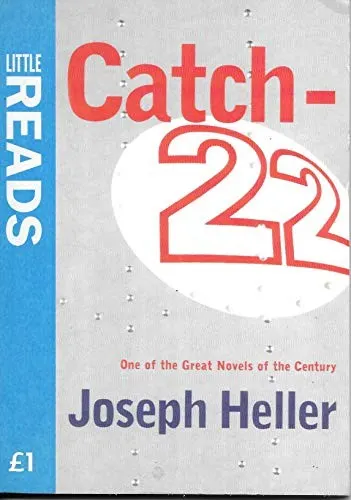
Books like Catch-22
Catch-22 turns language into a weapon of administrative warfare: every rule proves its own necessity, every escape clause seals the trap, and the funniest sentence may be standing directly over a corpse.
If you liked Catch-22, you’ll love these
Not lookalikes — kindred books. Each one shares something essential with Catch-22, and we tell you exactly what.
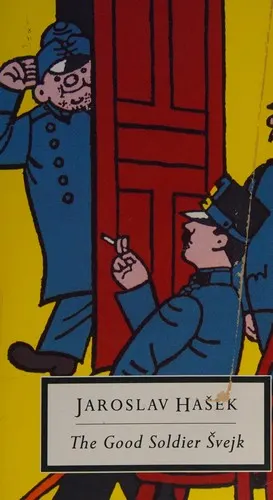
Meet the great comic ancestor of Yossarian. After an ill-advised display of patriotism gets Švejk arrested, he enters a military machine where orders proliferate, authority contradicts itself, and obedience can be more destructive than rebellion. The central joke is deliciously unresolved: is Švejk genuinely foolish, or does his literal-minded compliance expose the stupidity of everyone commanding him?
Hašek’s unfinished masterpiece helped establish the modern antiwar satire, and its hapless hero became a cultural archetype. Its comedy is looser and more rambling than Heller’s, but the cumulative effect is unmistakable: bureaucracy reveals itself as organized lunacy. Anyone who loved Catch-22’s circular arguments should read the novel that first made military obedience look like an inspired form of sabotage.
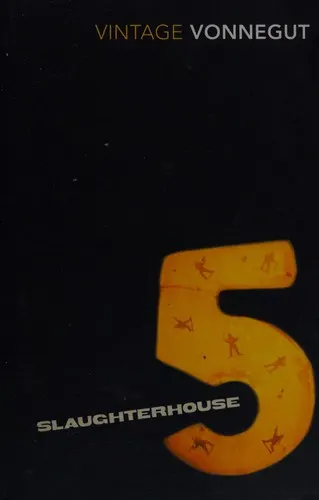
Vonnegut answers mass death with the same impossible mixture Heller mastered: vaudeville, despair, tenderness, and sentences so plain they become devastating. Billy Pilgrim has come “unstuck in time,” and the novel’s fractured chronology makes trauma—not sequence—the organizing principle. Its repetitions initially sound like comic refrains, then gather an almost unbearable weight.
A defining American novel of the twentieth century, Slaughterhouse-Five has inspired fierce devotion because it refuses both heroic war stories and solemn, beautified grief. It is shorter and quieter than Catch-22, but equally suspicious of any language that makes slaughter seem reasonable. The laughter does not soften the horror; it is the form honesty takes when conventional seriousness has failed.
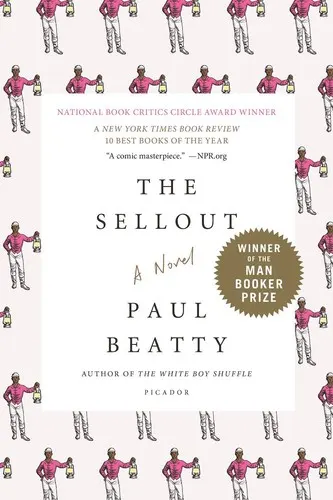
The Sellout opens with its narrator before the Supreme Court, accused of crimes so outrageous that the legal proceedings seem to have wandered into a deranged thought experiment. From there, Beatty builds jokes through escalation, contradiction, and mercilessly extended logic—the same comic machinery that makes Heller’s regulations and briefings so exhilarating.
This is not military satire but institutional satire at full voltage, aimed at race, public language, civic mythology, and America’s talent for disguising absurdity as principle. Beatty’s voice is faster, more allusive, and more gleefully abrasive than Heller’s; whole paragraphs seem one provocation away from collapse. The first American novel to win the Booker Prize, it has the rare distinction of being both intellectually formidable and genuinely, dangerously funny. Skip it, and you miss one of the few modern satires audacious enough to stand near Catch-22 without imitating it.