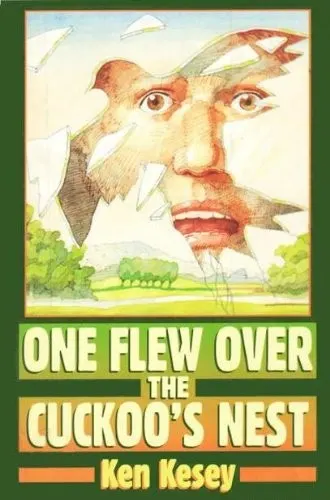
Books like One Flew Over the Cuckoo's Nest
You were drawn not just to McMurphy’s rebellion, but to Kesey’s volatile mix of comedy, charisma, moral danger, and institutions that call obedience “care.” These three novels strike that same nerve in sharply different ways.
If you liked One Flew Over the Cuckoo's Nest, you’ll love these
Not lookalikes — kindred books. Each one shares something essential with One Flew Over the Cuckoo's Nest, and we tell you exactly what.
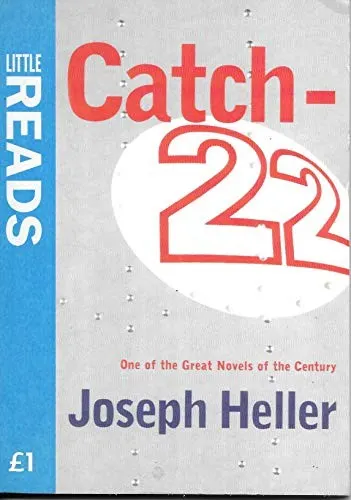
Heller turns institutional power into a self-sealing language: every regulation proves its own necessity, and every attempt to escape confirms your guilt. Like Kesey, he makes laughter a form of resistance while steadily revealing the suffering beneath the comedy.
Its airmen form an unforgettable gallery of eccentrics, but the novel’s great creation is Yossarian, whose refusal to accept officially sanctioned madness makes him seem mad to everyone else. Few novels have altered everyday speech; “Catch-22” became the name for an entire species of bureaucratic trap. If you loved watching Kesey expose reason as power wearing a respectable mask, Heller’s masterpiece is indispensable.
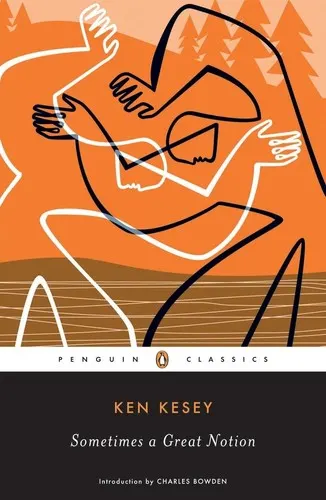
Kesey’s other major novel proves that McMurphy was not a lucky accident. Here his fascination with defiant, larger-than-life men expands into a whole Oregon logging family whose stubbornness can look heroic, ruinous, or both at once.
The narration moves audaciously among minds—sometimes within a single paragraph—creating a dense, many-voiced struggle over loyalty, resentment, and independence. Often regarded by Kesey’s admirers as his masterpiece, it has inspired fierce devotion without ever becoming as universally read as Cuckoo’s Nest. Reading it means encountering the full scale of Kesey’s talent: wilder in form, morally knottier, and magnificent in its physical sense of rain, river, timber, and human will.
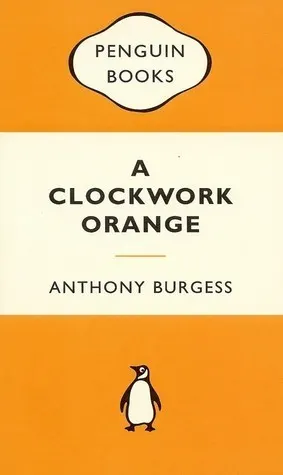
Burgess asks the disturbing question lurking inside Kesey’s novel: if society can manufacture good behavior by destroying the capacity to choose, has it cured anyone—or merely perfected control? Its young narrator, Alex, is monstrous, magnetic, funny, and terrifying, making resistance impossible to romanticize safely.
The invented slang initially feels like a barrier, then becomes the book’s intoxicating engine; before long, you are hearing the world through Alex’s corrupted music. That linguistic feat helped make the novel one of the most influential dystopias of the twentieth century. Where McMurphy tests the cost of rebellion, Burgess tests whether freedom retains its value when the person claiming it is anything but innocent. It is brief, brutal, and very hard to shake.