Author
Books like Kate DiCamillo
9 books we recommend to Kate DiCamillo readers, drawn from The Tale of Despereaux, The Miraculous Journey of Edward Tulane, The Tiger Rising and Flora & Ulysses — each with the reason why.
If you loved The Tale of Despereaux
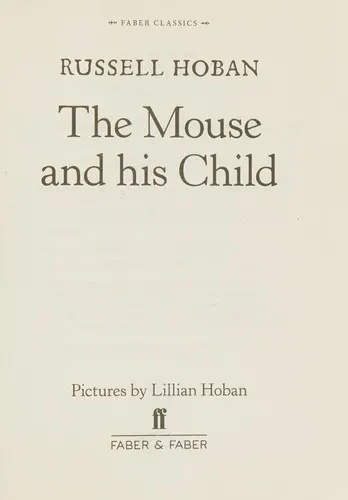
A clockwork father-and-son pair can move only when someone winds them, yet they dream of becoming self-winding and finding a real home. That fragile ambition has the same magnificent disproportion as Despereaux’s chivalric hopes: tiny creatures insist on pursuing love and freedom in a world that considers them disposable.
Hoban’s 1967 novel is stranger and more philosophically unsettling than most children’s fiction. Its dangers are genuine, its villain unforgettable, and its tenderness never sentimental. Long cherished as a modern classic, it gives devoted readers what DiCamillo does at her best: sorrow without despair, comedy beside terror, and proof that helplessness is not the opposite of courage.
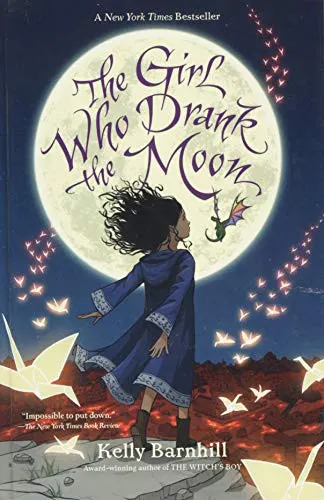
Every year, a sorrowful community abandons a baby as an offering to a witch. The witch, who knows nothing of this bargain, rescues the children—and one year accidentally feeds a baby moonlight instead of starlight. From that luminous opening, Barnhill builds a fairy tale about stories that imprison people, love that liberates them, and grief that changes the shape of a whole world.
A lover of Despereaux will recognize the mixture of darkness, narrative playfulness, grotesque comedy, and radiant moral seriousness. Barnhill’s language makes magic feel both wondrous and emotionally exact, while her characters resist the simple labels of monster, witch, hero, and victim. Winner of the Newbery Medal, this is one of the rare recent fantasies whose acclaim matches its enchantment.
If you loved The Miraculous Journey of Edward Tulane
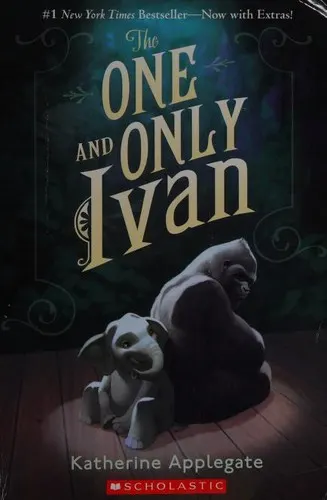
Ivan, a gorilla living in a shopping-mall enclosure, narrates in short, lucid observations. At first he seems resigned to his small world; then a new arrival asks more of his attention, memory, and compassion. Like Edward, Ivan must learn that loving another creature means becoming vulnerable—and accepting responsibility rather than merely enduring.
Applegate’s spare language leaves enormous feeling around every sentence, much as DiCamillo’s does. Winner of the Newbery Medal and beloved by generations of young readers, the novel earns its tears without manipulating them. Ivan’s quiet voice is one you carry away with you.
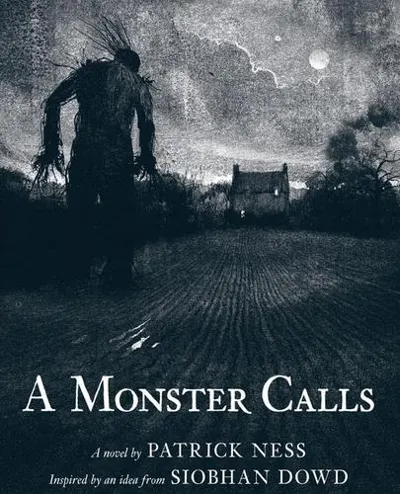
Thirteen-year-old Conor is visited after midnight by a monster, but it is not the monster from his recurring nightmare—the one bound up with his mother’s illness and the truth he cannot face. The visitor promises stories rather than comfort, and those stories prove sharp enough to break through Conor’s defenses.
This is for the reader who loved how Edward Tulane treats grief as transformative rather than merely tragic. Ness writes with equal respect for fear, anger, shame, and love, while Jim Kay’s shadowy illustrations make the book feel like a dark modern folktale. The novel and its art won Britain’s Carnegie and Greenaway Medals—an unprecedented double—and its emotional honesty fully deserves that distinction. It hurts, but with purpose.
If you loved The Tiger Rising
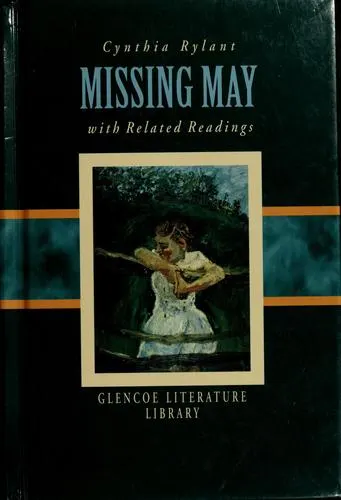
After May dies, twelve-year-old Summer and her uncle Ob are left in a trailer filled with reminders of the woman who made them a family. Rylant understands, as DiCamillo does, that children sometimes must endure not only their own grief but the frightening collapse of the adults they depend on.
This Newbery Medal winner is brief, lyrical, and utterly unforced. Its odd humor and Appalachian warmth keep sorrow from becoming sentimentality, while Summer’s plainspoken voice makes every flicker of hope feel earned. If The Tiger Rising moved you by showing love forcing its way through silence, Missing May is indispensable.
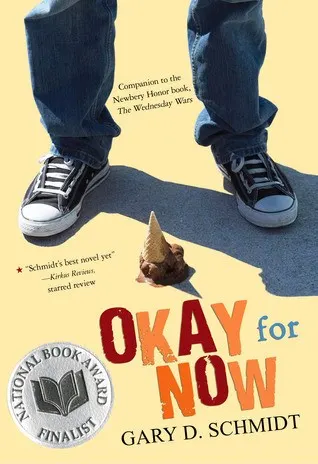
Doug Swieteck arrives in a new town angry, defensive, and practiced at expecting humiliation. Then he encounters the Audubon bird paintings in the public library—and a girl named Lil who refuses to accept the version of him everyone else sees.
Doug’s armor resembles Rob’s, but Schmidt dismantles it across a larger, more bustling canvas of school, family, work, and art. The birds become an emotional language for feelings Doug cannot yet name, much as DiCamillo’s tiger holds what Rob has buried. A National Book Award finalist, Okay for Now has become beloved for the exhilarating care with which it proves that a supposedly “bad” child can be seen, challenged, and changed.
If you loved Flora & Ulysses
Badger wants solitude, rocks, and an orderly house; then exuberant, chicken-loving Skunk arrives at his door. Their collision has the same marvelous balance as Flora’s world: ridiculous on the surface, emotionally exact underneath.
Timberlake understands that prickliness often protects loneliness. The dialogue snaps, the domestic disasters escalate, and Caldecott Medalist Jon Klassen’s illustrations deliver jokes while making the characters feel startlingly alive. Like Flora & Ulysses, this is a small book with an enormous faith in friendship’s power to rearrange a life.
Fidge is sharp-tongued, impatient, and mortified by her little sister Minnie’s sugary favorite stories. Then an ordinary errand goes terribly wrong, forcing Fidge to face the love concealed inside her irritation.
Evans makes childish language funny, menacing, and unexpectedly moving; nonsense words and nursery-book cheerfulness become tools for exploring fear, guilt, and courage. The result is stranger and more emotionally fearless than most comic fantasies. Its place on the Carnegie Medal shortlist was richly deserved: readers who loved DiCamillo’s transformation of cynicism into hope will recognize the same difficult magic here.
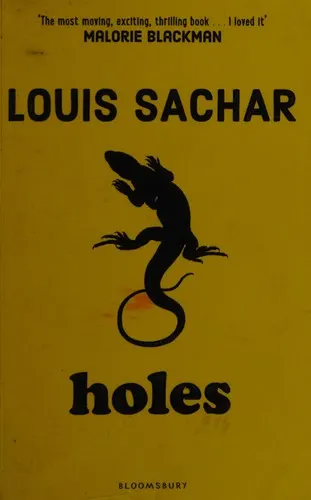
Camp Green Lake has no lake, and Stanley Yelnats—sent there for a crime he did not commit—must dig one large hole every day. That deadpan contradiction announces Sachar’s method: absurdity is treated as ordinary, cruelty becomes dark comedy, and every peculiar detail matters.
Flora would appreciate Stanley’s wary intelligence and the novel’s distrust of adults who disguise selfishness as discipline. Its intricate construction offers a different pleasure from DiCamillo’s illustrated exuberance, but both books insist that stories can reveal connections invisible to cynics. One of the rare novels to win both the Newbery Medal and the National Book Award, Holes earns its reputation with every perfectly placed joke and surprise.