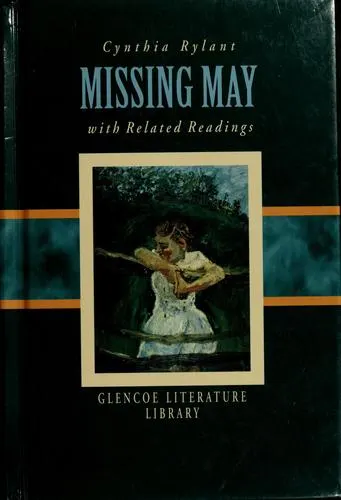
Books like Missing May
Where does all that love go when the person at the center of your life is suddenly gone? These novels share Missing May’s faith that grief can be faced without being simplified—and that odd companions, stories, and small acts of care can lead a child back toward hope.
If you liked Missing May, you’ll love these
Not lookalikes — kindred books. Each one shares something essential with Missing May, and we tell you exactly what.

Salamanca Tree Hiddle tells her grandparents a story while traveling across the country with them, approaching her own sorrow by circling it through someone else’s. That indirection will feel deeply familiar to readers who admired the way Missing May lets Ob’s search for signs carry emotions he cannot speak aloud.
Creech balances heartbreak with eccentricity, affection, and wonderfully funny conversation; the grandparents are as vivid and indispensable as Cletus. Awarded the Newbery Medal, Walk Two Moons has endured because its intricate storytelling never feels like a trick: it captures how children make narratives around unbearable absences until they can finally look at them. Its last pages leave the same kind of quiet, hard-won fullness as Missing May.
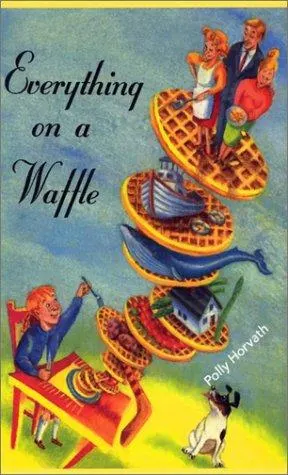
After her parents disappear at sea, eleven-year-old Primrose Squarp refuses to accept everyone else’s certainty that they are dead. Around her gathers an assortment of imperfect adults, including the owner of a restaurant where every dish—even lasagna—is served on a waffle.
Horvath’s Newbery Honor novel has Missing May’s rare mixture of deprivation and abundance: a child may lack security, money, or conventional parents yet still acquire a family through stubborn, eccentric acts of attention. Primrose’s crisp narration and the recipes ending each chapter keep the book buoyant without making its loneliness less real. It is funny in precisely the way sorrow sometimes needs—funny enough to help hope survive.
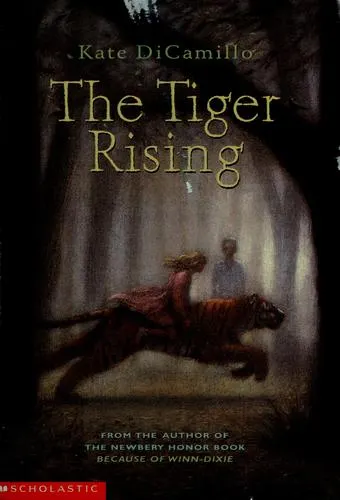
Rob Horton has trained himself not to think about his dead mother or the cruelty surrounding him. Then he finds a caged tiger in the Florida woods and meets Sistine Bailey, a furious new girl who refuses to keep any feeling locked away.
This National Book Award finalist is as brief and concentrated as Missing May. DiCamillo trusts images, pauses, and plain words to carry enormous emotional weight; the tiger becomes compelling not as a tidy symbol but as a living pressure on everything Rob has buried. Where Rylant gives grief a broken-down car and a journey, DiCamillo gives it a cage. The result is fierce, luminous, and almost impossible to finish without feeling that something sealed inside you has opened.