Author
Books like Jim Thompson
8 books we recommend to Jim Thompson readers, drawn from The Killer Inside Me, Pop. 1280, The Grifters and A Hell of a Woman — each with the reason why.
If you loved The Killer Inside Me
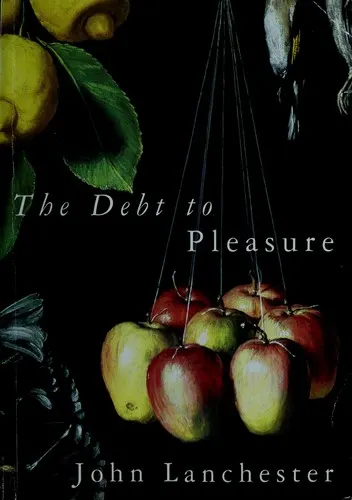
Tarquin Winot conducts the reader through recipes, restaurants, travel memories, and pronouncements on taste. His prose is cultivated, funny, and exquisitely controlled—and every polished sentence gradually exposes something rancid beneath the charm.
Like Lou Ford, Tarquin treats narration as camouflage. Both men enlist us as confidants, turning wit and apparent candor into instruments of domination. Lanchester’s novel is more ornate than Thompson’s, but its comedy has the same chill: we laugh because the voice is irresistible, then realize what our laughter has allowed us to overlook. Winner of the Whitbread First Novel Award, it is a virtuoso performance in which style itself becomes evidence.
Burke Devore has been discarded after decades of loyal corporate work. He studies the small number of men qualified for the jobs he needs and begins applying the clear-eyed logic of competition to the problem. Westlake makes each step sound practical before letting its moral obscenity register.
That is precisely the Thompson-like trap: intimacy with a narrator whose reasoning becomes more coherent as his humanity deteriorates. Yet The Ax replaces Lou Ford’s small-town duplicity with résumés, layoffs, mortgages, and managerial euphemisms. Its murders grow from the language of ordinary economic life, giving the novel a furious social intelligence as well as suspense. Westlake was a master of both comic crime and hard noir, and this bleak, deadpan novel fuses the two modes perfectly. Once Burke starts explaining himself, it is almost impossible to stop listening.
If you loved Pop. 1280
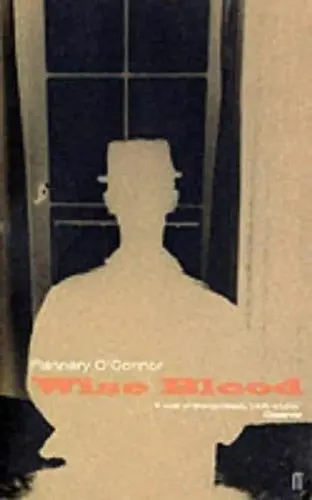
Hazel Motes returns from the army determined to preach a new Church Without Christ. Around him gathers a cast of hustlers, believers, salesmen, and grotesques who keep turning metaphysical desperation into savage comedy.
O’Connor’s first novel shares Thompson’s deeper trick: beneath the provincial speech and apparent absurdity lies an uncompromising argument about guilt, freedom, and the stories people invent to escape judgment. Her sentences are funnier and stranger than their reputation for solemnity suggests. Wise Blood is a cornerstone of the Southern grotesque—and one of the few novels whose comedy can make spiritual emptiness feel physically dangerous.
If you loved The Grifters
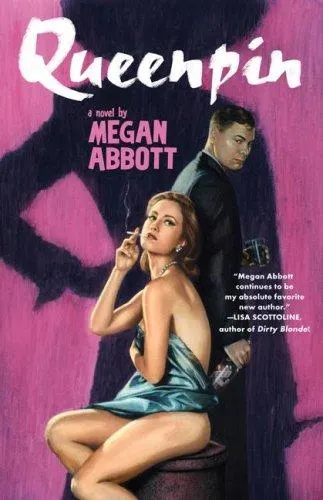
Abbott understands that the deepest attraction of Thompson’s novel is not the mechanics of a swindle but the erotic, almost familial power exchanged between professionals. An unnamed young woman is taken under the wing of a glamorous veteran of the underworld, who teaches her how to dress, calculate odds, and make desire useful. The voice is lacquered and hard; beneath it, admiration, rivalry, and dependency keep changing places.
Winner of the Edgar Award for Best Paperback Original, Queenpin helped establish Abbott as one of modern noir’s essential writers. It has the compressed force of a vintage paperback without feeling like imitation—and its portrait of mentorship as both rescue and possession makes it an irresistible companion to The Grifters.
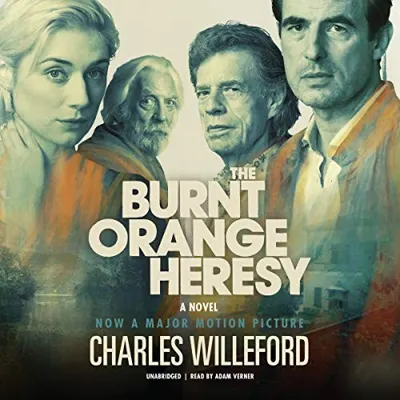
James Figueras, Willeford’s art critic narrator, is already a confidence man before anyone offers him a criminal proposition: he manufactures authority, seduces strategically, and treats taste as another way to control a mark. When a wealthy collector promises him access to a reclusive legendary painter, his practiced self-invention begins carrying increasingly dangerous obligations.
Willeford’s great trick is to make intellectual vanity as suspenseful as a gun. The novel is urbane, viciously funny, and morally airless, with the same Thompson-like pleasure in watching a clever man explain away each fresh compromise. Long admired as a cult classic, it is among the sharpest novels ever written about fraud—not just forged objects, but forged selves.
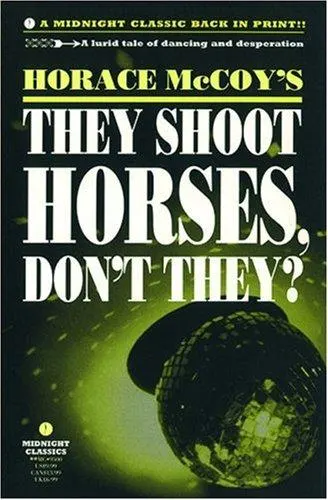
McCoy strips despair down to muscle and bone. During the Depression, Robert Syverten meets Gloria Beatty, and the two enter a marathon dance contest where exhaustion is sold as entertainment and hope becomes a cruel promotional device. From its opening pages, the novel makes clear that the real suspense lies not in what happens but in how people are reduced to doing it.
Its kinship with The Grifters is tonal and moral: the clipped prose, the fatalistic momentum, and the unsentimental recognition that desperation turns every relationship into leverage. Published in 1935 and enduring as a landmark of American hard-boiled fiction, it remains startlingly modern. Few novels are this short, this merciless, or this difficult to shake.
If you loved A Hell of a Woman
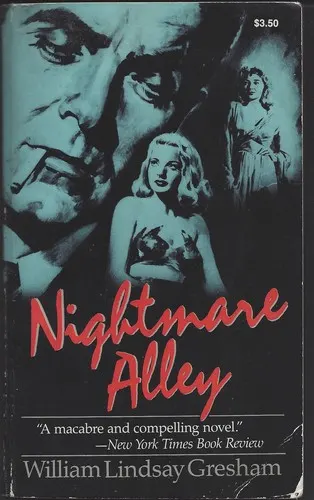
Gresham opens amid carnival hustlers, where every human appetite has a price and the lowest attraction is the geek show. His great subject, though, is the confidence trick people play on themselves. Like Thompson, he understands that a predator’s most dangerous lie is the one that lets him feel clever, injured, or innocent.
The novel’s pulp velocity conceals a remarkably rigorous psychological design: slang, grotesquerie, ambition, and dread tighten around one another with scarcely a wasted scene. Long regarded as a cult classic of American noir, Nightmare Alley has the same rare power as A Hell of a Woman: it makes you recoil from its characters while seeing enough of their hunger to mourn them.
In an occupied city, nineteen-year-old Frank Friedmaier commits a murder less from passion than from a chilling desire to discover what it will make him feel. Simenon places us near his consciousness without pleading for him or turning him into a glamorous monster.
What connects Dirty Snow to Thompson is its unnerving mixture of degradation and human need. Both novelists can strip a criminal mind of excuses while preserving the loneliness beneath them; both write with such severe economy that a small gesture can carry more weight than pages of explanation. Simenon’s psychological novels are central to his formidable reputation, and Dirty Snow is among the starkest: short, cold, and hauntingly compassionate without ever becoming comforting.