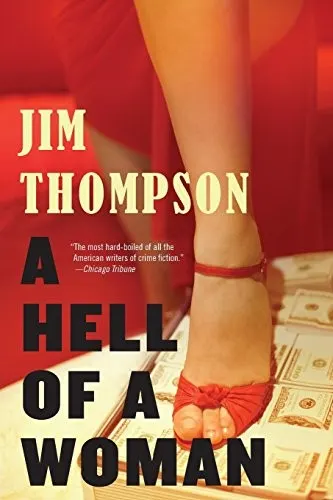
Books like A Hell of a Woman
The ideal Thompson reader wants noir that does more than punish bad men: a seductive, self-excusing voice, comedy black enough to sting, and flashes of pity that make moral squalor unexpectedly painful.
If you liked A Hell of a Woman, you’ll love these
Not lookalikes — kindred books. Each one shares something essential with A Hell of a Woman, and we tell you exactly what.
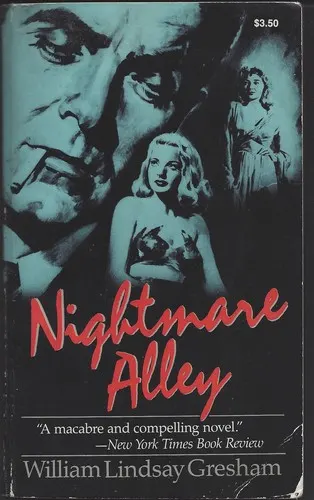
Gresham opens amid carnival hustlers, where every human appetite has a price and the lowest attraction is the geek show. His great subject, though, is the confidence trick people play on themselves. Like Thompson, he understands that a predator’s most dangerous lie is the one that lets him feel clever, injured, or innocent.
The novel’s pulp velocity conceals a remarkably rigorous psychological design: slang, grotesquerie, ambition, and dread tighten around one another with scarcely a wasted scene. Long regarded as a cult classic of American noir, Nightmare Alley has the same rare power as A Hell of a Woman: it makes you recoil from its characters while seeing enough of their hunger to mourn them.

Jacques Figueras, an art critic with expensive tastes and flexible principles, is offered access to a legendary reclusive painter—provided he steals one of the man’s canvases. He narrates with immaculate assurance, converting vanity, resentment, and opportunism into what sounds almost like reason.
That voice is the hook. A reader who enjoyed watching Dolly Dillon manufacture moral permission will relish Jacques’s equally fluent self-defense, sharpened by Willeford’s dry comedy and pitiless understanding of status. This compact cult favorite is both a first-rate crime novel and a wicked satire of the art world; every elegant sentence quietly exposes the man speaking it.
In an occupied city, nineteen-year-old Frank Friedmaier commits a murder less from passion than from a chilling desire to discover what it will make him feel. Simenon places us near his consciousness without pleading for him or turning him into a glamorous monster.
What connects Dirty Snow to Thompson is its unnerving mixture of degradation and human need. Both novelists can strip a criminal mind of excuses while preserving the loneliness beneath them; both write with such severe economy that a small gesture can carry more weight than pages of explanation. Simenon’s psychological novels are central to his formidable reputation, and Dirty Snow is among the starkest: short, cold, and hauntingly compassionate without ever becoming comforting.