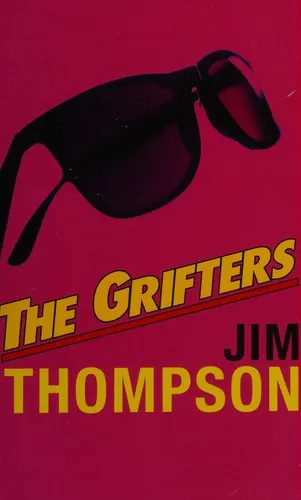
Books like The Grifters
The Grifters feels like watching three razors circle one another: lean, coldly funny, and charged with the knowledge that every intimacy may conceal a transaction. These novels share Thompson’s pitiless economy, psychological acuity, and fascination with people who can read everyone except themselves.
If you liked The Grifters, you’ll love these
Not lookalikes — kindred books. Each one shares something essential with The Grifters, and we tell you exactly what.
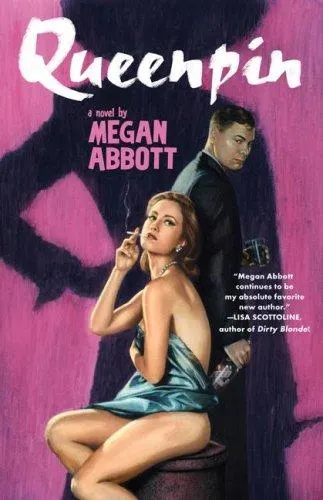
Abbott understands that the deepest attraction of Thompson’s novel is not the mechanics of a swindle but the erotic, almost familial power exchanged between professionals. An unnamed young woman is taken under the wing of a glamorous veteran of the underworld, who teaches her how to dress, calculate odds, and make desire useful. The voice is lacquered and hard; beneath it, admiration, rivalry, and dependency keep changing places.
Winner of the Edgar Award for Best Paperback Original, Queenpin helped establish Abbott as one of modern noir’s essential writers. It has the compressed force of a vintage paperback without feeling like imitation—and its portrait of mentorship as both rescue and possession makes it an irresistible companion to The Grifters.
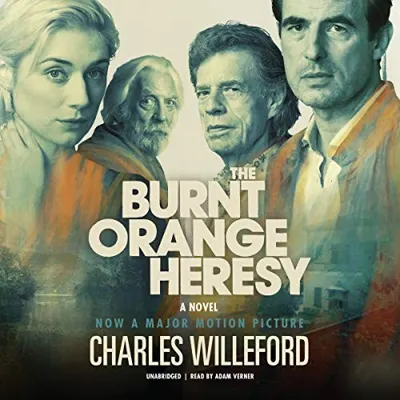
James Figueras, Willeford’s art critic narrator, is already a confidence man before anyone offers him a criminal proposition: he manufactures authority, seduces strategically, and treats taste as another way to control a mark. When a wealthy collector promises him access to a reclusive legendary painter, his practiced self-invention begins carrying increasingly dangerous obligations.
Willeford’s great trick is to make intellectual vanity as suspenseful as a gun. The novel is urbane, viciously funny, and morally airless, with the same Thompson-like pleasure in watching a clever man explain away each fresh compromise. Long admired as a cult classic, it is among the sharpest novels ever written about fraud—not just forged objects, but forged selves.
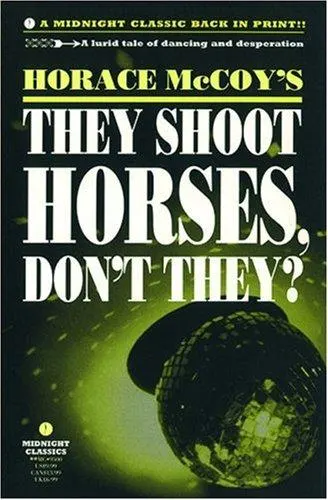
McCoy strips despair down to muscle and bone. During the Depression, Robert Syverten meets Gloria Beatty, and the two enter a marathon dance contest where exhaustion is sold as entertainment and hope becomes a cruel promotional device. From its opening pages, the novel makes clear that the real suspense lies not in what happens but in how people are reduced to doing it.
Its kinship with The Grifters is tonal and moral: the clipped prose, the fatalistic momentum, and the unsentimental recognition that desperation turns every relationship into leverage. Published in 1935 and enduring as a landmark of American hard-boiled fiction, it remains startlingly modern. Few novels are this short, this merciless, or this difficult to shake.