Author
Books like Jesmyn Ward
6 books we recommend to Jesmyn Ward readers, drawn from Sing, Unburied, Sing and Salvage the Bones — each with the reason why.
If you loved Sing, Unburied, Sing
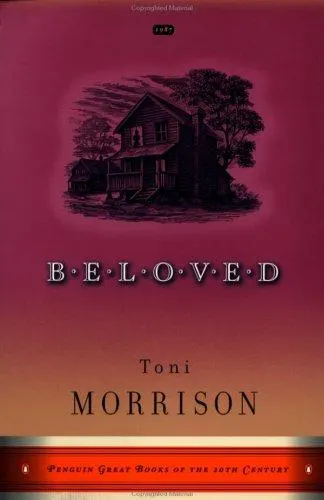
No novel is more essential for a reader moved by Ward’s conviction that the dead remain part of family life. Sethe, once enslaved, lives with her daughter in a house already seething with a baby’s ghost. Morrison makes that haunting intimate and bodily: history inhabits rooms, memories and acts of love that can become terrifying in their intensity.
Like Ward, Morrison moves among voices without simplifying anyone’s guilt or suffering. Her fragmented, incantatory prose asks what motherhood can demand, what survival costs and whether the past can be faced without being consumed by it. Its Pulitzer and canonical stature are deserved, but Beloved endures because it still feels dangerous—less like a monument than an encounter you cannot leave unchanged.
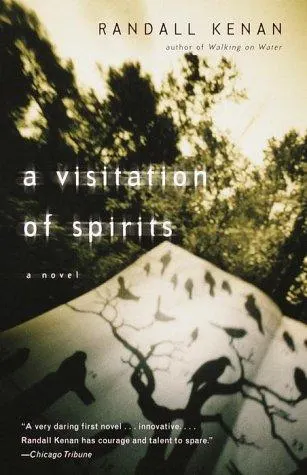
Horace Cross is a brilliant, tormented young Black man in rural North Carolina who turns to magic in the hope of transforming himself. Around him stands an entire community—preachers, teachers, relatives and watchful neighbors—bound together by faith and history yet often unable to make room for his queerness.
Kenan shares Ward’s gift for making a Southern community feel like a living chorus, capable of tenderness, comedy and devastating cruelty. The supernatural arises from Horace’s inner desperation, while the novel’s circling chronology shows how one person’s anguish implicates generations. Long cherished as a classic of Black queer literature, this is the underread masterpiece here: strange, sorrowful and formally audacious, with scenes that lodge in the mind like remembered dreams.
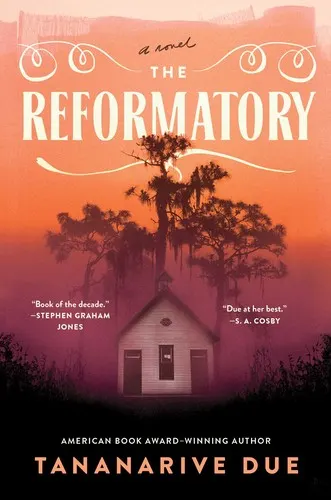
In Jim Crow Florida, twelve-year-old Robbie Stephens is sentenced to a brutal reform school after defending his sister. Robbie can see the school’s ghosts; his older sister Gloria, still outside its walls, refuses to stop fighting for him. That double perspective gives the novel both unbearable confinement and fierce forward motion.
Due’s ghosts, like Ward’s, are witnesses before they are frights. They preserve what institutions erase, while the bond between Robbie and Gloria keeps the horror rooted in love rather than spectacle. Drawing on real histories of abusive reform schools, Due turns meticulous research into a gripping, humane novel whose major horror and fantasy awards reflect both its craftsmanship and emotional force. It is a long book that reads with the urgency of a rescue attempt—and by the end, its lost children feel impossible to forget.
If you loved Salvage the Bones

Bone Boatwright, born into a fiercely loyal South Carolina clan, narrates with the same precocious watchfulness that makes Esch unforgettable. Allison renders poverty from inside—through food, clothes, family stories, pride, and shame—without turning deprivation into picturesque grit. The Boatwrights are raucous, difficult, protective people rather than sociological examples.
Like Ward, Allison understands that a child may see her family’s failures clearly and still hunger for its love. Her sentences carry anger without sacrificing tenderness, and Bone’s voice is funny, stubborn, and devastatingly alive. A National Book Award finalist that has become a modern Southern classic, this is one of the essential American novels about girlhood, class, and the perilous need to belong.
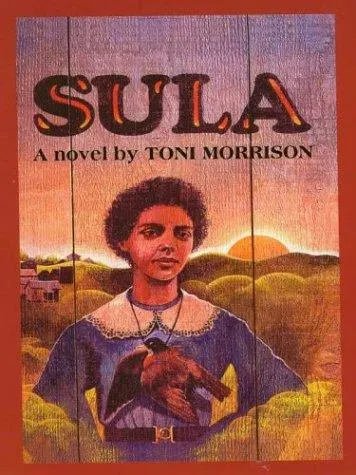
If Ward’s fusion of intimate family life with mythic force enthralled you, read Sula. Morrison transforms the Black community of the Bottom into a place governed by memory, rumor, ritual, and its own fierce logic. At the novel’s center are Nel and Sula, girls whose friendship offers an escape from the identities their families and neighbors have prepared for them.
This is a lean novel with an enormous wake. Morrison can compress a household’s history into a few incandescent pages, then make a gesture or insult reverberate across decades. Its women are allowed appetite, cruelty, loyalty, and radical self-invention; none exists merely to symbolize virtue or suffering. Sula helped establish Morrison’s singular stature, and its vision of female friendship remains so provocative that readers still argue over whom to love and whom to forgive.

Shuggie is a delicate, observant boy growing up amid the instability of working-class Glasgow, devoted to Agnes, his glamorous mother, whose alcoholism steadily reorganizes the family’s life. What links him to Esch is not circumstance but attention: both young narrators read adult moods as survival skills, noticing every withheld coin, ruined outfit, humiliation, and flash of beauty.
Stuart refuses the easy choice between exposing damage and honoring love. Agnes can be magnificent and impossible; Shuggie’s loyalty can sustain him and trap him. The material world is rendered with Ward-like precision, yet the novel’s wit keeps misery from flattening its characters. Winner of the Booker Prize and embraced by readers far beyond literary circles, Shuggie Bain earns its heartbreak by first making this family vivid enough to miss.