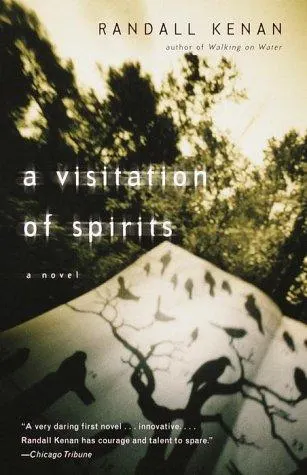
Books like A Visitation of Spirits
The real haunting in A Visitation of Spirits is the whole of Tims Creek—its scripture, gossip, history, tenderness, and judgment—speaking inside Horace Cross.
If you liked A Visitation of Spirits, you’ll love these
Not lookalikes — kindred books. Each one shares something essential with A Visitation of Spirits, and we tell you exactly what.

Baldwin’s final novel begins in bereavement: Hall Montana looks back on the life of his younger brother Arthur, a gospel singer whose loves cannot be separated from the church music that formed him. Like Kenan, Baldwin understands Christianity as both sustaining beauty and an instrument of sexual shame; neither writer reduces that contradiction to a simple indictment.
The novel moves through memory like an extended gospel performance, passing among family, lovers, musicians, and witnesses. Its scale gives Black queer life the fullness Kenan insists upon: desire exists inside kinship, art, faith, history, and communal scrutiny. Less routinely celebrated than Baldwin’s early novels but cherished by many of his most serious readers, Just Above My Head may be his richest account of how love survives what the world teaches people to fear.
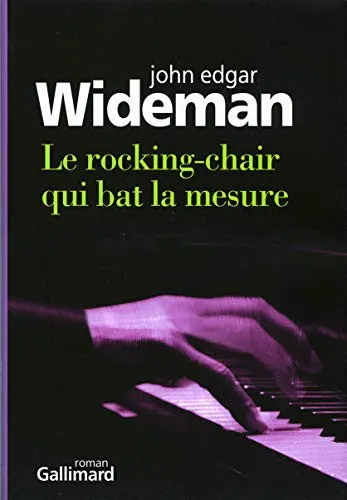
If Tims Creek felt less like a setting than a living archive, enter Wideman’s Homewood. Narrated through recollection, family lore, vernacular storytelling, and voices that refuse to remain safely in the past, Sent for You Yesterday makes a Black neighborhood’s history feel simultaneously intimate and mythic.
Wideman’s method is the kinship: chronology bends, the dead press close, and individual suffering becomes legible only through the stories a community tells—and withholds—about itself. Yet the novel is never merely solemn; its language has music, mischief, and improvisatory force. Winner of the PEN/Faulkner Award, it is one of the great American novels of communal memory, and Kenan readers will recognize in it the thrilling sense that storytelling can summon an entire place into consciousness.
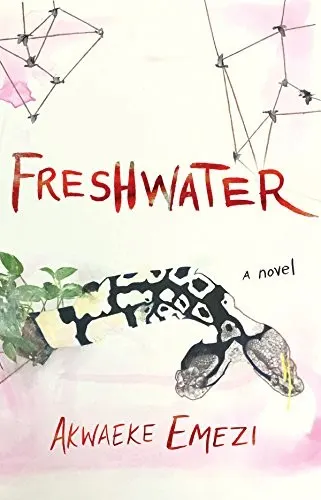
Freshwater offers the most daring echo of Kenan’s refusal to decide whether spiritual visitation is supernatural fact, psychic rupture, or both. Ada’s life is narrated largely by the ogbanje spirits who inhabit her, so fractured identity becomes not a clinical puzzle but a struggle among competing sacred realities.
Emezi’s acclaimed debut is formally audacious without becoming remote: its many voices are sensuous, frightening, intimate, and fiercely persuasive. As in Kenan’s novel, the body becomes the ground on which religion, gender, desire, violence, and selfhood fight for authority. Freshwater does not translate Igbo cosmology into comfortable Western metaphor; it asks the reader to inhabit another account of personhood entirely. Anyone moved by Horace’s terrible attempt to transform himself should find this novel both unsettling and revelatory.