Author
Books like J. K. Rowling
6 books we recommend to J. K. Rowling readers, drawn from Harry Potter and the Deathly Hallows and Harry Potter and the Order of the Phoenix — each with the reason why.
If you loved Harry Potter and the Deathly Hallows
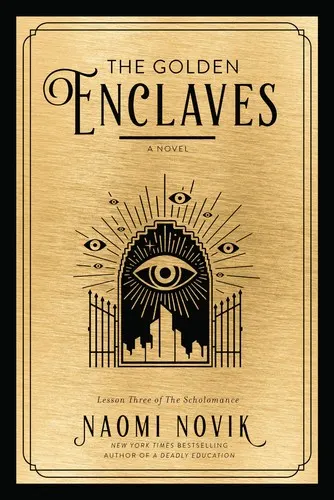
This is another finale that cashes in an entire series without reducing its ending to a larger magical duel. Novik’s furious, defensive heroine has spent two books learning how a murderous school works; now she must confront the world that built it. As in Deathly Hallows, ingenious rules and long-planted clues ultimately serve a moral question: will you preserve a cruel system because dismantling it seems impossible?
Begin with A Deadly Education—the accumulated friendships, suspicions, and revelations are essential. El’s caustic voice is unlike Harry’s, but her stubborn refusal to accept that some lives must be expendable carries the same emotional voltage. Novik delivers the rare fantasy conclusion that expands its world while making its central choices intensely personal.
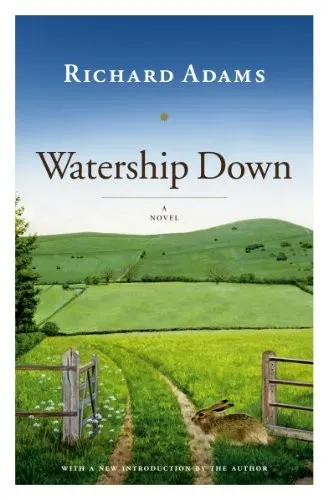
Ignore the fact that its heroes are rabbits: Watership Down understands fellowship under persecution as deeply as Deathly Hallows does. A vulnerable band leaves home on the strength of one member’s terrifying intuition, and survival gradually requires every apparently modest gift—storytelling, speed, diplomacy, nerve—to matter.
Adams makes resistance thrilling without pretending courage abolishes fear. His invented folklore gives the journey the depth of an old epic, while the friendships remain warm, funny, and sharply individual. Winner of both the Carnegie Medal and the Guardian Children’s Fiction Prize, it became a classic because readers do not merely admire its company of fugitives; they join them.
Death is not an abstract threat in Sabriel but a country with borders, currents, and gates. When her father disappears, Sabriel leaves the safety of school carrying the tools of his perilous vocation: a sword and a set of bells whose sounds can command—or unleash—the dead. Nix’s magic feels ancient, exact, and genuinely dangerous.
What makes the novel a true match is its clear-eyed treatment of mortality. Like Deathly Hallows, it distinguishes mastery over death from the courage to face it, and inherited responsibility from personal choice. Sabriel herself is practical rather than grandiose, while her sardonic feline companion supplies welcome mischief without weakening the darkness. This Aurealis Award winner opened the beloved Old Kingdom series and remains one of fantasy’s most convincing journeys into death—and back toward life.
If you loved Harry Potter and the Order of the Phoenix
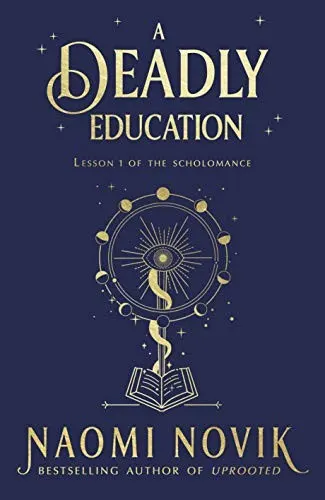
El has Harry’s combustible anger, but sharpened into a wonderfully caustic first-person voice. Her school is governed less by teachers than by danger, privilege, and an economy of favors: wealthy students inherit protection, while everyone else must bargain for survival.
What truly recalls *Order of the Phoenix* is the realization that isolated talent is not enough. Alliances matter; prejudice has consequences; and refusing a corrupt system requires more than defeating one obvious villain. Novik turns timetables, friendships, and school politics into suspense, creating the rare magical-school novel with both sardonic bite and a fiercely generous heart.
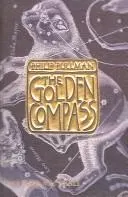
Lyra Belacqua begins as a daring, dishonest, intensely curious child roaming an Oxford where scholarship, religion, and political power are dangerously entangled. Like Harry, she discovers that respectable authorities can conceal cruelty behind reassuring language—and that children often understand the moral stakes more clearly than the adults managing them.
Pullman’s world feels inexhaustibly tangible: every person’s soul lives beside them as an animal-shaped dæmon, while armored bears and experimental theology coexist without diminishing the story’s emotional truth. Winner of the Carnegie Medal and later voted the ‘Carnegie of Carnegies,’ this is children’s fantasy at its most audacious: intimate, rebellious, and large enough to alter how readers imagine freedom.
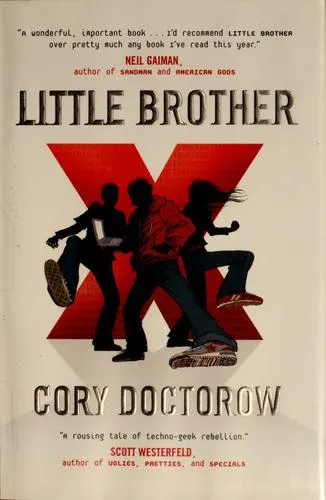
For the reader who thrilled to Dumbledore’s Army, this novel offers resistance stripped of magic and made startlingly practical. After a terrorist attack, teenage hacker Marcus is detained by security forces and returns to a San Francisco transformed by surveillance. His weapons are cryptography, ingenuity, friendship, and the conviction that safety cannot excuse unlimited power.
Doctorow captures the same infuriating imbalance as Harry’s struggle against the Ministry: officials command the press, define dissent as guilt, and insist that obvious abuses are necessary. Yet this Hugo-finalist is exhilarating rather than merely grim, because it shows how ordinary people can learn, organize, and fight back. Few novels make civil liberties feel so immediate—or rebellion so usable.