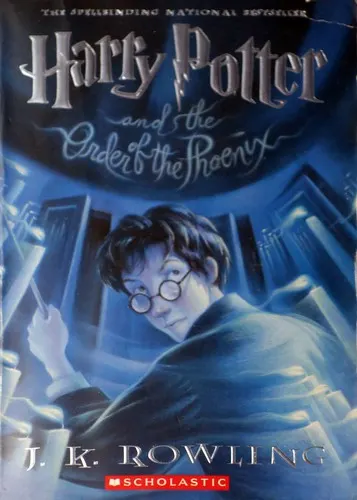
Books like Harry Potter and the Order of the Phoenix
You loved the fury, fellowship, and moral defiance of a story in which young people must resist adults who control both the rules and the official truth. These three novels rekindle that feeling in strikingly different ways.
If you liked Harry Potter and the Order of the Phoenix, you’ll love these
Not lookalikes — kindred books. Each one shares something essential with Harry Potter and the Order of the Phoenix, and we tell you exactly what.
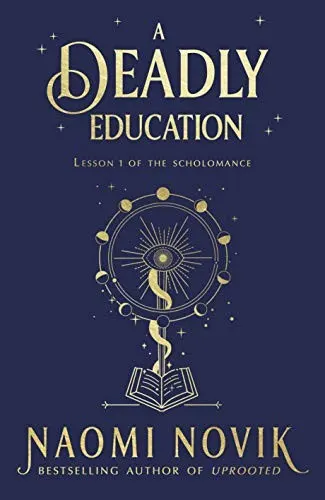
El has Harry’s combustible anger, but sharpened into a wonderfully caustic first-person voice. Her school is governed less by teachers than by danger, privilege, and an economy of favors: wealthy students inherit protection, while everyone else must bargain for survival.
What truly recalls *Order of the Phoenix* is the realization that isolated talent is not enough. Alliances matter; prejudice has consequences; and refusing a corrupt system requires more than defeating one obvious villain. Novik turns timetables, friendships, and school politics into suspense, creating the rare magical-school novel with both sardonic bite and a fiercely generous heart.
Lyra Belacqua begins as a daring, dishonest, intensely curious child roaming an Oxford where scholarship, religion, and political power are dangerously entangled. Like Harry, she discovers that respectable authorities can conceal cruelty behind reassuring language—and that children often understand the moral stakes more clearly than the adults managing them.
Pullman’s world feels inexhaustibly tangible: every person’s soul lives beside them as an animal-shaped dæmon, while armored bears and experimental theology coexist without diminishing the story’s emotional truth. Winner of the Carnegie Medal and later voted the ‘Carnegie of Carnegies,’ this is children’s fantasy at its most audacious: intimate, rebellious, and large enough to alter how readers imagine freedom.
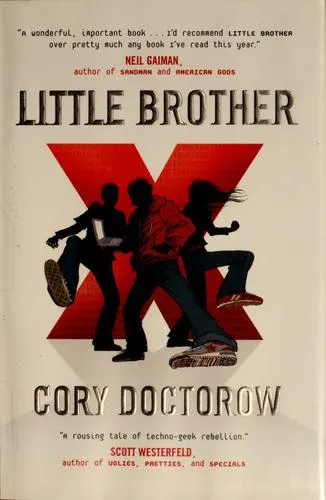
For the reader who thrilled to Dumbledore’s Army, this novel offers resistance stripped of magic and made startlingly practical. After a terrorist attack, teenage hacker Marcus is detained by security forces and returns to a San Francisco transformed by surveillance. His weapons are cryptography, ingenuity, friendship, and the conviction that safety cannot excuse unlimited power.
Doctorow captures the same infuriating imbalance as Harry’s struggle against the Ministry: officials command the press, define dissent as guilt, and insist that obvious abuses are necessary. Yet this Hugo-finalist is exhilarating rather than merely grim, because it shows how ordinary people can learn, organize, and fight back. Few novels make civil liberties feel so immediate—or rebellion so usable.