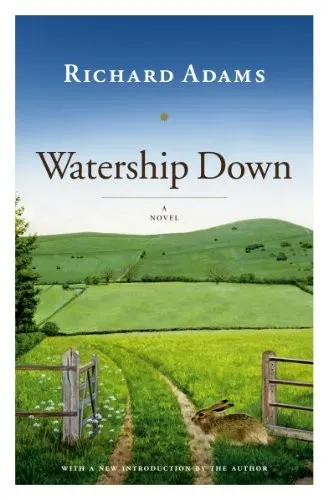
Books like Watership Down
You loved more than talking rabbits: you loved an adventure in which fellowship, political freedom, myth, and the living earth all mattered. These three novels preserve different parts of that rare combination.
If you liked Watership Down, you’ll love these
Not lookalikes — kindred books. Each one shares something essential with Watership Down, and we tell you exactly what.
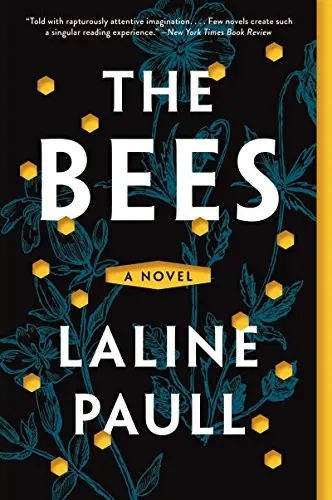
Paull makes a beehive feel as complete and strange as Adams’s warrens. Flora 717 is born into a society where anatomy determines caste, obedience has a religious force, and communal survival can justify terrifying cruelty. Like Fiver and Hazel, she must read dangers that others cannot—or will not—recognize.
The novel’s great achievement is sensory: scent, vibration, fertility, weather, and flight become the foundations of consciousness. Yet beneath that imaginative biology lies a gripping study of hierarchy and dissent. Shortlisted for the Baileys Women’s Prize, The Bees is one of the few animal novels that can stand beside Watership Down without seeming like its imitation.

If your favorite passages in Watership Down were the ones in which frightened travelers become a people—arguing, improvising, telling stories, and discovering who can lead—read The Long Ships. Its wandering Vikings are human, but Bengtsson understands fellowship exactly as Adams does: courage is practical, loyalty is earned, and survival often depends on humor at the worst possible moment.
Michael Meyer’s celebrated English translation has the clean momentum of a saga told aloud. The adventures are expansive without becoming ponderous, while Red Orm’s shrewd, adaptable temperament makes him an unexpectedly Hazel-like hero. This Swedish classic is among the most purely enjoyable historical novels ever written: boisterous, dryly funny, and quietly wise about how communities are made.
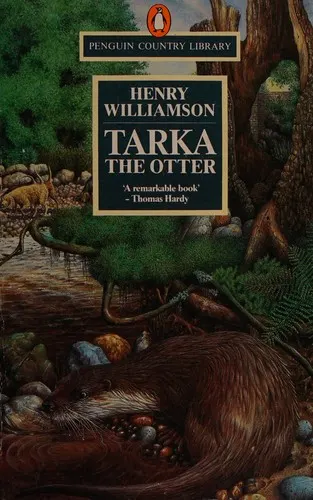
Tarka the Otter offers the wildness beneath Watership Down: the sense that every field, stream, smell, and change of wind has immediate meaning to an animal. Williamson follows an otter through the rivers and estuaries of Devon without turning him into a disguised human. The result is intimate but never sentimental; beauty, hunger, play, fear, and death belong to the same natural order.
Winner of the Hawthornden Prize and long regarded as a landmark of British nature writing, Tarka also belongs to the literary ancestry of Adams’s novel. Its prose can make a landscape feel ancient, perilous, and intensely inhabited. Anyone who remembers Watership Down not just for its heroes but for the grass under their paws should experience this book.