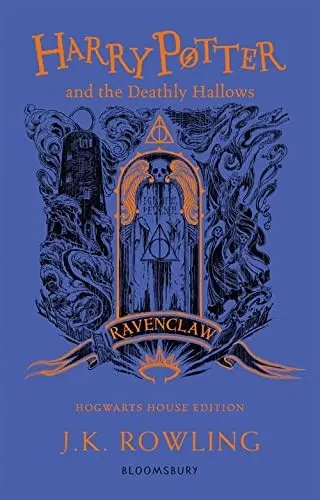
Books like Harry Potter and the Deathly Hallows
Deathly Hallows is the book in which every old object, private grief, running joke, and seemingly minor act of loyalty suddenly bears weight—and victory depends less on superior magic than on what people are willing to endure for one another.
If you liked Harry Potter and the Deathly Hallows, you’ll love these
Not lookalikes — kindred books. Each one shares something essential with Harry Potter and the Deathly Hallows, and we tell you exactly what.
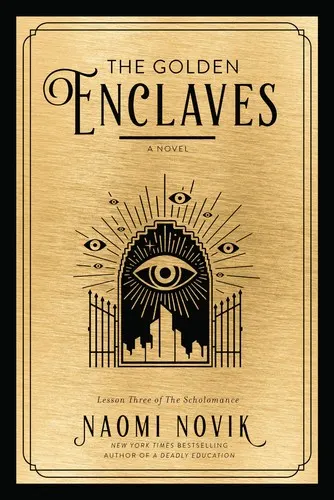
This is another finale that cashes in an entire series without reducing its ending to a larger magical duel. Novik’s furious, defensive heroine has spent two books learning how a murderous school works; now she must confront the world that built it. As in Deathly Hallows, ingenious rules and long-planted clues ultimately serve a moral question: will you preserve a cruel system because dismantling it seems impossible?
Begin with A Deadly Education—the accumulated friendships, suspicions, and revelations are essential. El’s caustic voice is unlike Harry’s, but her stubborn refusal to accept that some lives must be expendable carries the same emotional voltage. Novik delivers the rare fantasy conclusion that expands its world while making its central choices intensely personal.
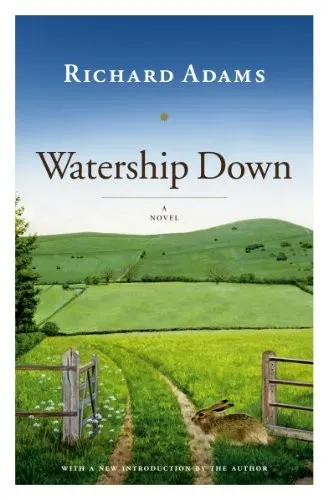
Ignore the fact that its heroes are rabbits: Watership Down understands fellowship under persecution as deeply as Deathly Hallows does. A vulnerable band leaves home on the strength of one member’s terrifying intuition, and survival gradually requires every apparently modest gift—storytelling, speed, diplomacy, nerve—to matter.
Adams makes resistance thrilling without pretending courage abolishes fear. His invented folklore gives the journey the depth of an old epic, while the friendships remain warm, funny, and sharply individual. Winner of both the Carnegie Medal and the Guardian Children’s Fiction Prize, it became a classic because readers do not merely admire its company of fugitives; they join them.
Death is not an abstract threat in Sabriel but a country with borders, currents, and gates. When her father disappears, Sabriel leaves the safety of school carrying the tools of his perilous vocation: a sword and a set of bells whose sounds can command—or unleash—the dead. Nix’s magic feels ancient, exact, and genuinely dangerous.
What makes the novel a true match is its clear-eyed treatment of mortality. Like Deathly Hallows, it distinguishes mastery over death from the courage to face it, and inherited responsibility from personal choice. Sabriel herself is practical rather than grandiose, while her sardonic feline companion supplies welcome mischief without weakening the darkness. This Aurealis Award winner opened the beloved Old Kingdom series and remains one of fantasy’s most convincing journeys into death—and back toward life.