Author
Books like Frances Hardinge
7 books we recommend to Frances Hardinge readers, drawn from The Lie Tree, Fly by Night and Cuckoo Song — each with the reason why.
If you loved The Lie Tree
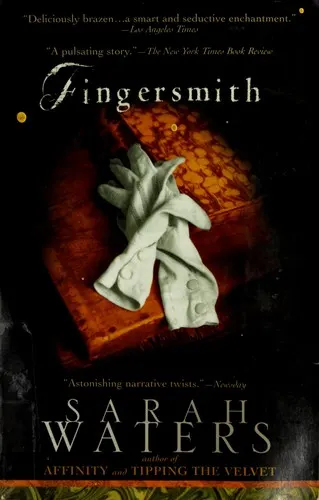
Sue Trinder, raised among thieves in Victorian London, agrees to help a charming con man defraud a sheltered heiress. That opening scheme is only the first layer in a novel built with the intricate precision of a trap.
A lover of The Lie Tree will recognize its fascination with lies as a form of power: who is permitted knowledge, whose testimony counts, and how women learn to maneuver inside systems designed to confine them. Waters’s sensuous, grimy prose makes every glove, locked room, and hesitation significant. Booker-shortlisted and widely regarded as a modern Gothic masterpiece, Fingersmith delivers narrative shocks without sacrificing psychological truth; its cleverness is inseparable from its fury.
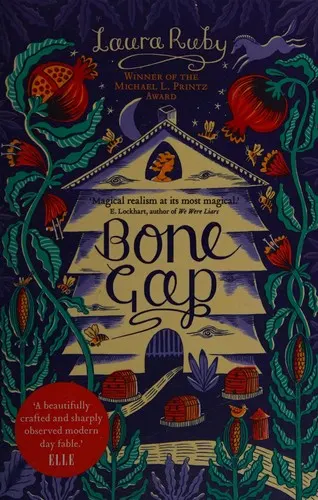
Roza has vanished, and Finn—the only witness—cannot describe the man who took her. Their small town decides Finn is unreliable and Roza simply chose to leave. Bone Gap begins inside that failure of belief, then opens into something stranger: a lyrical mystery about beauty, perception, and the stories communities use to dismiss girls.
Where The Lie Tree asks how falsehood can acquire physical force, Ruby asks what happens when people see only what they expect to see. Her magic feels dreamlike, but her understanding of misogyny is exact and unsentimental. Winner of the Printz Award, Bone Gap has the rare combination of a fairy tale’s haunting inevitability and a fiercely modern insistence that being looked at is not the same as being known.
If you loved Fly by Night
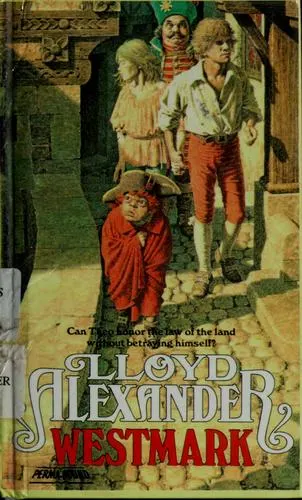
Theo, a printer’s apprentice, is driven into the company of a silver-tongued charlatan after an illicit printing job goes disastrously wrong. Yet the deepest kinship with Fly by Night is not printers or rogues: it is Alexander’s conviction that stories, lies, and slogans can alter a country—and that resisting tyranny does not automatically make anyone virtuous.
This National Book Award winner begins with the buoyancy of a picaresque adventure, then subjects idealism, revolution, and political violence to unusually searching moral scrutiny. Alexander writes more sparely than Hardinge, but with the same respect for young readers’ intelligence. Westmark is the rare adventure that makes every escape exciting while quietly asking what freedom costs.
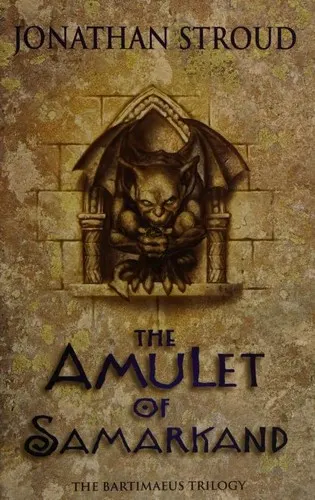
Nathaniel, a gifted and aggrieved magician’s apprentice, summons the ancient djinni Bartimaeus to help him take revenge on a powerful official. Bartimaeus narrates much of the resulting catastrophe with gloriously insolent footnotes, puncturing pomposity even while danger closes in.
A Fly by Night reader will recognize the exhilarating collision of verbal comedy and institutional cruelty. Stroud’s London is governed by magicians who treat exploitation as public service; his protagonists are vain, compromised, resourceful, and capable of surprising loyalty. The devoted following of the Bartimaeus sequence begins here, with a narrator whose wit is not decoration but a weapon against every solemn fraud in authority.
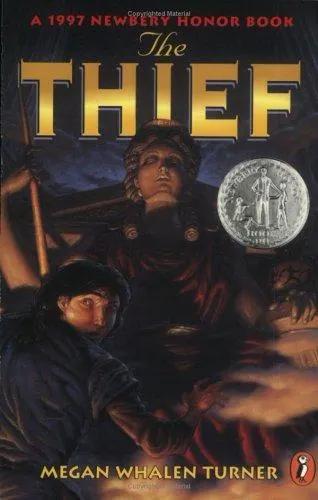
Gen is in prison because he stole something and then boasted about it. When the king’s Magus recruits him to steal an object of political importance, Gen joins the expedition complaining, provoking, and observing far more than his companions realize.
Like Hardinge, Turner understands the pleasure of an apparently disreputable protagonist moving among adults who continually misjudge them. Her politics emerge through grudges, manners, myths, and tiny acts of vanity rather than explanatory lectures; seemingly casual details acquire weight. This Newbery Honor novel opened the much-loved Queen’s Thief series, whose readers become famously evangelical about it. Read attentively: Turner makes the act of noticing as thrilling as the theft itself.
If you loved Cuckoo Song
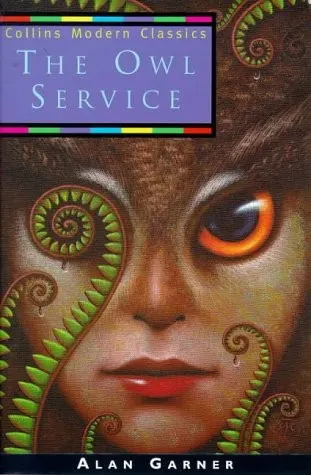
In a remote Welsh house, three young people find an old dinner service whose owl pattern seems impossible to copy—and an ancient story begins pressing itself into their jealousies and resentments. Garner never treats myth as decorative. It is a force that enters the household, finds its buried injuries, and makes them dangerous.
Like Cuckoo Song, this Carnegie Medal winner trusts young readers with ambiguity, compromised adults, and an atmosphere in which ordinary objects become intolerably charged. Its prose is taut, its dread accumulative, and its emotional conflicts are as important as its magic. Few children’s novels have made the past feel so hungry.
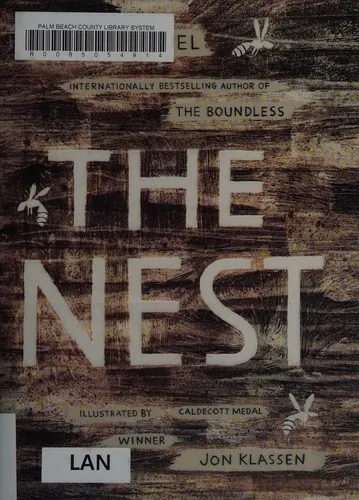
Steve’s baby brother is gravely ill, and the family’s fear has distorted everything around them. Then a queen wasp visits Steve in his dreams and offers to make the baby well. Her promise sounds merciful—until Steve begins to understand what she means by fixing him.
This is the choice for readers haunted by Cuckoo Song’s bodily wrongness and its refusal to separate horror from love. Oppel understands how a frightened child can cooperate with something monstrous for tender, comprehensible reasons. Jon Klassen’s spare illustrations deepen the unease, while the novel’s central question—whether love means making someone perfect or accepting them as they are—gives its nightmare lasting emotional force.