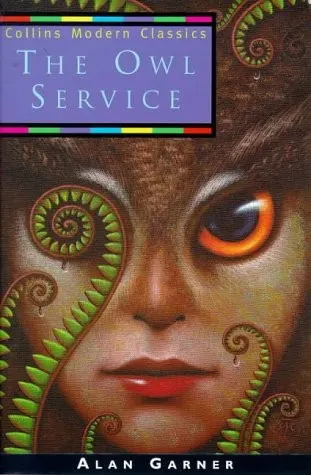
Books like The Owl Service
The Owl Service and Margaret Mahy’s The Tricksters belong to that rare company of novels in which adolescent desire, family tension, and ancient patterns become terrifyingly inseparable.
If you liked The Owl Service, you’ll love these
Not lookalikes — kindred books. Each one shares something essential with The Owl Service, and we tell you exactly what.
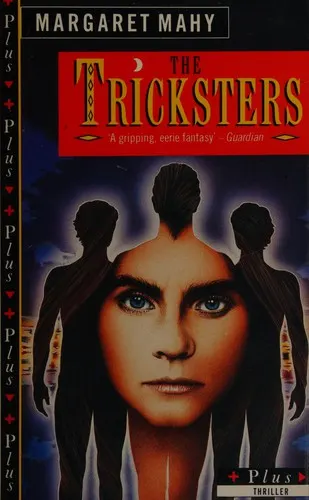
At a family’s New Zealand beach house, Harry encounters three glamorous, unsettling brothers whose arrival seems to answer something in her imagination. Mahy makes the supernatural feel less like an intrusion than a force the family has unknowingly invited in.
Like Garner, she understands that myth gains its power through ordinary resentments: siblings competing, adults withholding truths, a young woman discovering that stories and desires can escape her control. The prose is sensuous and psychologically exact, and the menace keeps changing shape. Mahy’s formidable reputation as a children’s writer—ultimately crowned by the Hans Christian Andersen Award—rests partly on her refusal to simplify young people’s inner lives; this is among her richest, strangest books.
For a reader drawn to Garner’s refusal to explain away the uncanny, this is the deeper, darker plunge. Three friends live in the aftermath of an occult act they once attempted, while visions of a possibly imaginary country exert a melancholy pull over their lives.
Harrison writes myth not as recoverable lore but as a wound: people invent beautiful patterns to contain guilt, longing, and damage, only to find themselves contained by those patterns instead. His compressed, elusive prose demands the same alertness as Garner’s dialogue; what is omitted matters as much as what is said. Long cherished as a cult masterpiece, The Course of the Heart offers the rare pleasure of a novel that becomes more haunting—not less—the more one thinks about it.
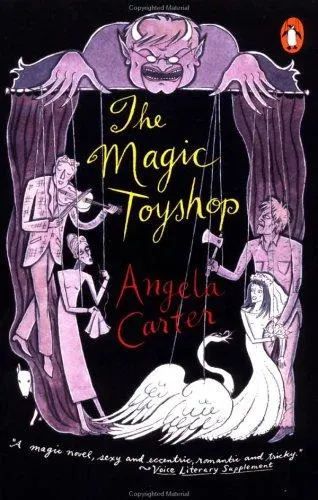
The unforgettable opening finds fifteen-year-old Melanie secretly wearing her mother’s wedding dress at night, turning private fantasy into an act of transgression. From there Carter brings fairy-tale imagery into collision with sexual awakening, family power, and the frightening roles imposed on young people by adults.
What links it to The Owl Service is not folklore itself but the sense that inherited stories can become machinery: they assign parts, punish resistance, and make violence look inevitable. Carter’s lush, tactile language differs sharply from Garner’s austerity, yet both writers expose the cruelty beneath romantic myths. Winner of the John Llewellyn Rhys Prize, this early novel already possesses the imaginative ferocity that made Carter so influential; its puppet theatre alone is worth entering the book for—and difficult to forget afterward.