Author
Books like Ellen Kushner
7 books we recommend to Ellen Kushner readers, drawn from Swordspoint, Thomas the Rhymer and The Privilege of the Sword — each with the reason why.
If you loved Swordspoint
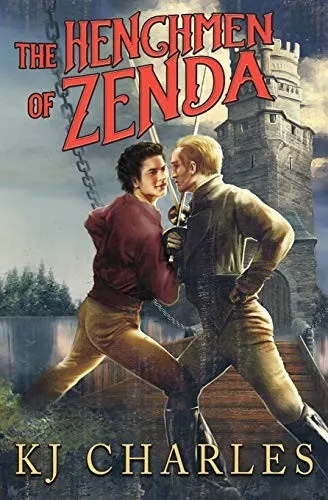
Imagine a swashbuckler in which the supposed villains are more intelligent, more attractive, and far more entertaining than the heroes. KJ Charles retells The Prisoner of Zenda through Jasper Detchard, a sardonic English mercenary hired for a Ruritanian conspiracy—and immediately fascinated by the lethally competent Rupert von Hentzau.
Charles shares Kushner’s understanding that swordplay can be conversation, courtship, and character revelation at once. Jasper’s dry narration strips aristocratic romance of its pieties without sacrificing excitement; beneath the wit lies a clear-eyed interest in loyalty between people who make no claim to virtue. Short, fast, queer, and wickedly pleasurable, it is the rare homage that makes the classic adventure beneath it seem tame.
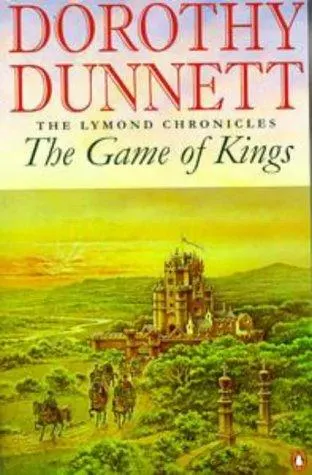
For the reader who loved Swordspoint’s verbal duels as much as its physical ones, Dorothy Dunnett offers a magnificent escalation. In sixteenth-century Scotland, the outlawed Francis Crawford of Lymond returns amid war and political fracture, surrounded by accusations of treason and commanding a disreputable band with unnerving flair.
Lymond is one of historical fiction’s great dangerous intelligences: theatrical, cruel, funny, cultivated, and almost impossible to read correctly. Dunnett makes every banquet, raid, quotation, and insult part of a strategic contest, demanding attention and rewarding it lavishly. The novel’s density can initially feel like entering a fencing match already in progress, but that difficulty helped create its fiercely devoted readership. Once its design becomes visible, an entire six-book obsession is waiting.
If you loved Thomas the Rhymer
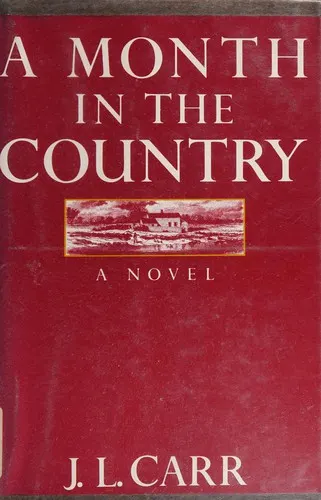
A shell-shocked veteran arrives in a Yorkshire village to uncover a medieval wall painting, and for one summer finds himself almost restored by work, landscape and human company. Carr’s brief, Booker-shortlisted novel is plainspoken yet exquisitely charged: happiness is felt most sharply because the narrator knows it cannot be recovered.
That retrospective ache is profoundly akin to Thomas the Rhymer. Both books understand enchantment not as spectacle but as an interval that permanently alters the meaning of ordinary life. Carr renders rain, bells, meals and hesitant affection with the same reverence Kushner gives songs and fireside talk. Few novels this short leave behind so complete a vanished world.
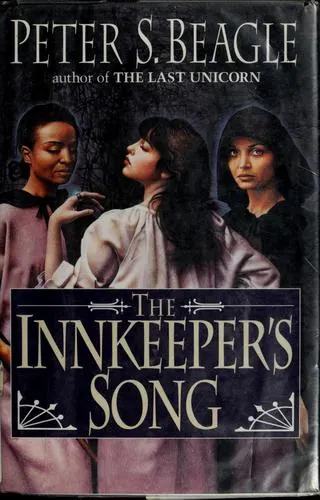
Three mysterious women arrive at an inn, bringing dangerous histories and stranger powers with them. Beagle lets innkeepers, stable boys, warriors and others tell the story in their own voices, each revealing what another cannot see. As in Kushner’s novel, the changing narrators are not decorative: truth exists in the gaps between their accounts.
Beagle combines ribald humor, physical immediacy and sudden otherworldly sorrow with rare assurance. Readers who know him chiefly for The Last Unicorn may be startled by how earthy and polyphonic this novel is—and by how powerfully its ordinary people register the cost of living near legend. It is one of fantasy’s great undervalued feats of storytelling.
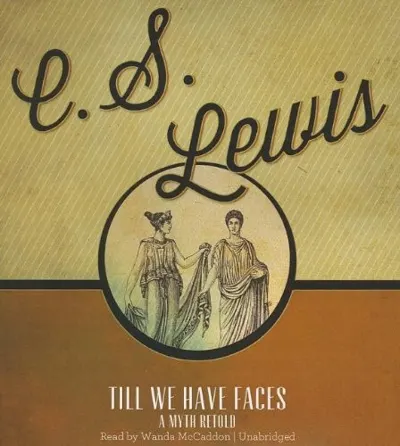
Lewis retells the myth of Cupid and Psyche through Orual, a formidable princess who writes her life as an accusation against the gods. Her voice is intelligent, wounded and fiercely persuasive; the novel’s deepest drama lies in discovering what love looks like to the lover, the beloved and the divine.
Like Thomas the Rhymer, it refuses to domesticate myth. The gods remain beautiful, terrifying and difficult to comprehend, while palace rooms, sibling loyalties and political duties carry as much weight as revelation. Its severe, lucid prose is far removed from the genial manner associated with Narnia, and many readers regard it as Lewis’s finest novel. Anyone moved by Kushner’s entanglement of love, truth and supernatural encounter should not miss it.
If you loved The Privilege of the Sword
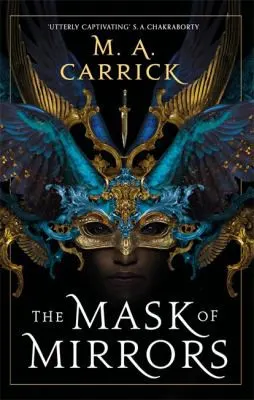
Ren is a con artist attempting her most ambitious deception: entering an aristocratic household by posing as a long-lost relative. What follows is not merely intrigue but a wonderfully intricate study of identity as something tailored, rehearsed, and defended—an idea central to Katherine’s transformation in The Privilege of the Sword.
Nadežra is alive with class friction, elaborate etiquette, masked figures, criminal loyalties, queer relationships, and competing definitions of family. Written by Marie Brennan and Alyc Helms under a shared name, the novel has the layered social intelligence of two accomplished world-builders working in concert. Its pleasures accumulate: dazzling clothes, dangerous bargains, intimate betrayals, and characters discovering that an assumed role can reveal a truer self.

Dellaria Wells is poor, unscrupulous, funny, and just talented enough with fire magic to be dangerous. When she talks her way into a job guarding a wealthy young woman, she joins an all-female company whose members bring wildly different abilities, manners, and motives to the assignment.
Delly’s slangy, self-protective narration gives the book its irresistible momentum. Beneath her opportunism lies the same question Katherine confronts: what can a woman become once she acquires a skill the world cannot politely ignore? The novel adds a tender sapphic courtship, sharp class comedy, and a marvelous ensemble of women who are allowed to be vain, formidable, foolish, lustful, and brave. It is a rare fantasy adventure whose warmth never blunts its wit.