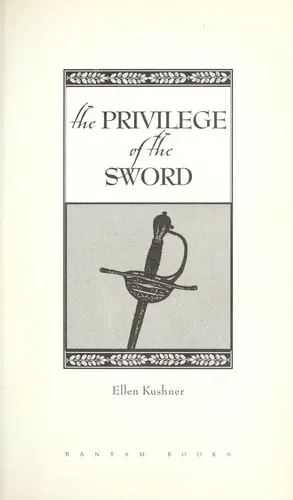
Books like The Privilege of the Sword
Sixteenth-century Scotland may seem a long way from Riverside, but Dorothy Dunnett’s world runs on the same intoxicating mixture of wit, danger, performance, and fiercely guarded feeling. These three novels preserve different parts of Kushner’s magic: verbal and literal fencing, women seizing forbidden freedoms, queer desire, and societies whose manners are simply another form of combat.
If you liked The Privilege of the Sword, you’ll love these
Not lookalikes — kindred books. Each one shares something essential with The Privilege of the Sword, and we tell you exactly what.
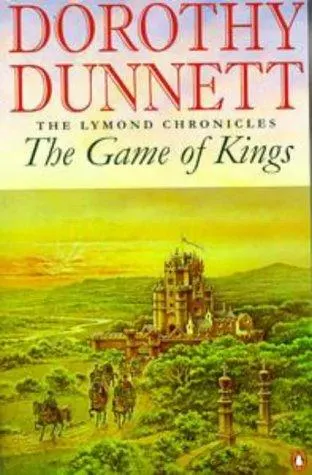
Francis Crawford of Lymond returns to Scotland an outlaw, meeting accusation and political chaos with unnerving intelligence, theatrical audacity, and a tongue sharper than most swords. Like Alec Campion, he is magnetic partly because neither the reader nor his companions can easily distinguish his recklessness from calculation—or his cruelty from concealed loyalty.
Dunnett makes conversation feel as perilous as a duel, while every joke, disguise, and extravagant gesture may be tactical. Her demanding, exuberant prose rewards attention magnificently, and the six-volume Lymond Chronicles have inspired unusually devoted readers for decades. Anyone who loved Kushner’s fusion of swashbuckling spectacle with emotionally secretive characters should meet one of the form’s great virtuosos.
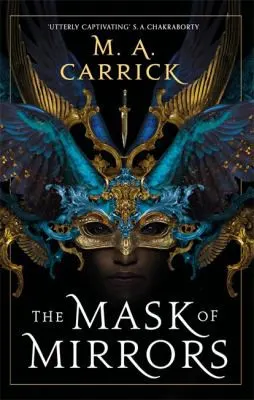
Ren is a con artist attempting her most ambitious deception: entering an aristocratic household by posing as a long-lost relative. What follows is not merely intrigue but a wonderfully intricate study of identity as something tailored, rehearsed, and defended—an idea central to Katherine’s transformation in The Privilege of the Sword.
Nadežra is alive with class friction, elaborate etiquette, masked figures, criminal loyalties, queer relationships, and competing definitions of family. Written by Marie Brennan and Alyc Helms under a shared name, the novel has the layered social intelligence of two accomplished world-builders working in concert. Its pleasures accumulate: dazzling clothes, dangerous bargains, intimate betrayals, and characters discovering that an assumed role can reveal a truer self.
Dellaria Wells is poor, unscrupulous, funny, and just talented enough with fire magic to be dangerous. When she talks her way into a job guarding a wealthy young woman, she joins an all-female company whose members bring wildly different abilities, manners, and motives to the assignment.
Delly’s slangy, self-protective narration gives the book its irresistible momentum. Beneath her opportunism lies the same question Katherine confronts: what can a woman become once she acquires a skill the world cannot politely ignore? The novel adds a tender sapphic courtship, sharp class comedy, and a marvelous ensemble of women who are allowed to be vain, formidable, foolish, lustful, and brave. It is a rare fantasy adventure whose warmth never blunts its wit.