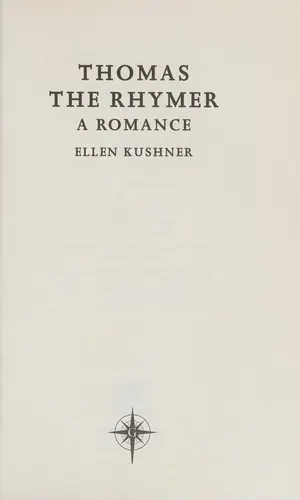
Books like Thomas the Rhymer
J. L. Carr’s A Month in the Country contains no Faerie, yet it captures the same haunting mixture of beauty, reticence and irrecoverable experience. The three novels below share Kushner’s deeper gifts: myth made intimate, distinctive storytelling voices, and love transformed by contact with something beyond ordinary life.
If you liked Thomas the Rhymer, you’ll love these
Not lookalikes — kindred books. Each one shares something essential with Thomas the Rhymer, and we tell you exactly what.
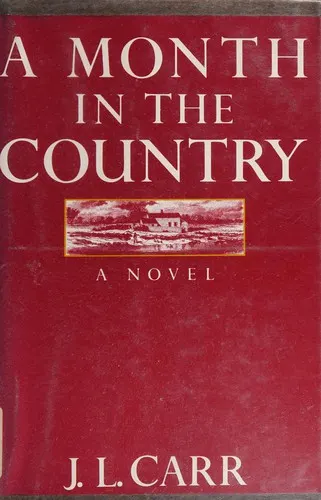
A shell-shocked veteran arrives in a Yorkshire village to uncover a medieval wall painting, and for one summer finds himself almost restored by work, landscape and human company. Carr’s brief, Booker-shortlisted novel is plainspoken yet exquisitely charged: happiness is felt most sharply because the narrator knows it cannot be recovered.
That retrospective ache is profoundly akin to Thomas the Rhymer. Both books understand enchantment not as spectacle but as an interval that permanently alters the meaning of ordinary life. Carr renders rain, bells, meals and hesitant affection with the same reverence Kushner gives songs and fireside talk. Few novels this short leave behind so complete a vanished world.
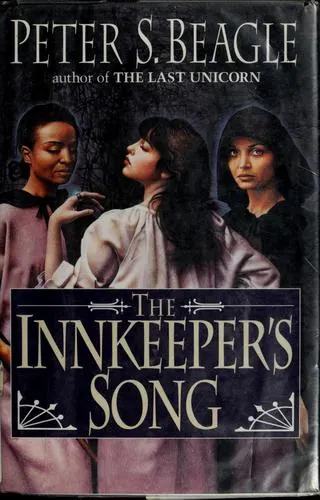
Three mysterious women arrive at an inn, bringing dangerous histories and stranger powers with them. Beagle lets innkeepers, stable boys, warriors and others tell the story in their own voices, each revealing what another cannot see. As in Kushner’s novel, the changing narrators are not decorative: truth exists in the gaps between their accounts.
Beagle combines ribald humor, physical immediacy and sudden otherworldly sorrow with rare assurance. Readers who know him chiefly for The Last Unicorn may be startled by how earthy and polyphonic this novel is—and by how powerfully its ordinary people register the cost of living near legend. It is one of fantasy’s great undervalued feats of storytelling.
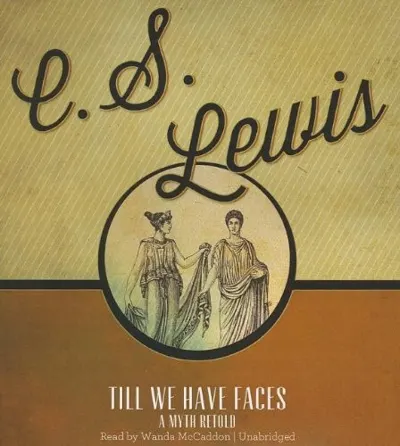
Lewis retells the myth of Cupid and Psyche through Orual, a formidable princess who writes her life as an accusation against the gods. Her voice is intelligent, wounded and fiercely persuasive; the novel’s deepest drama lies in discovering what love looks like to the lover, the beloved and the divine.
Like Thomas the Rhymer, it refuses to domesticate myth. The gods remain beautiful, terrifying and difficult to comprehend, while palace rooms, sibling loyalties and political duties carry as much weight as revelation. Its severe, lucid prose is far removed from the genial manner associated with Narnia, and many readers regard it as Lewis’s finest novel. Anyone moved by Kushner’s entanglement of love, truth and supernatural encounter should not miss it.