Author
Books like Colson Whitehead
6 books we recommend to Colson Whitehead readers, drawn from The Nickel Boys and The Intuitionist — each with the reason why.
If you loved The Nickel Boys
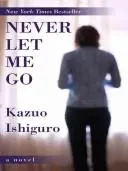
Like The Nickel Boys, Ishiguro’s novel draws its power from restraint. Kathy recalls her school days—friendships, jealousies, treasured objects—in prose so calm that the implications of what she describes become almost unbearable. Both novels understand that cruelty is most secure when it presents itself as ordinary procedure, and that children learn an institution’s lies before they possess the language to challenge them.
A Booker-shortlisted modern classic, Never Let Me Go inspires unusual devotion because its speculative premise ultimately feels less important than its intimate questions: What do people owe one another when freedom is limited? What can love preserve? Its final pages achieve the same rare combination of formal control and emotional devastation that makes Whitehead’s novel linger.
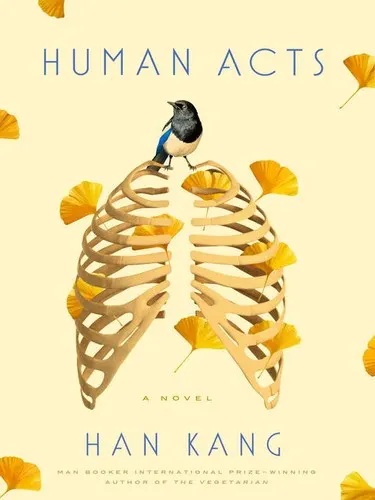
Human Acts begins amid the aftermath of the 1980 Gwangju uprising, when a teenage boy helps identify bodies and waits for news of a missing friend. Han Kang then shifts among lives touched by the massacre, refusing to let official history reduce the dead to numbers or the survivors to symbols.
The kinship with The Nickel Boys lies in this insistence on restoring individuality to people whom state violence tried to erase. Han’s language is lucid, lyrical, and unsparing; even its most harrowing passages are governed by tenderness rather than spectacle. Written by the future Nobel laureate and widely regarded as one of her essential works, Human Acts is a short novel with an immense moral reach—a book that changes how historical suffering can be imagined without being exploited.
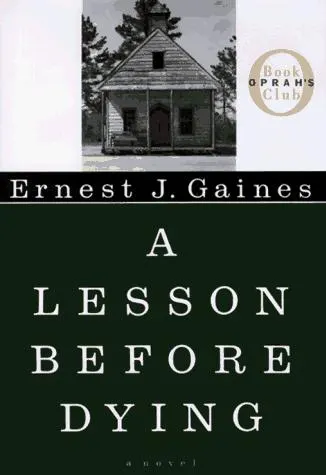
In 1940s Louisiana, Jefferson, a young Black man condemned to death, has been demeaned in court as less than human. His godmother asks Grant Wiggins, the local schoolteacher, to help him meet death with dignity. Gaines turns that request into a fierce inquiry into education, courage, masculinity, and the obligations one person may reluctantly assume for another.
Readers who loved Elwood’s moral seriousness will recognize Gaines’s refusal to confuse dignity with easy heroism. Grant is intelligent, angry, compromised, and painfully aware that individual decency cannot abolish a racist system. The novel’s plainspoken force earned it the National Book Critics Circle Award, but its lasting reputation rests on something prizes cannot confer: Gaines makes a struggle over one man’s humanity feel communal, urgent, and impossible to forget.
If you loved The Intuitionist
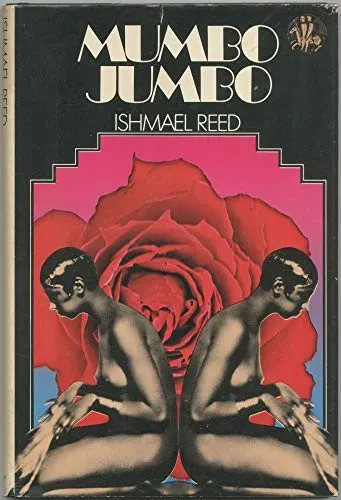
Reed’s 1972 National Book Award finalist is a crucial ancestor to Whitehead’s novel: a Black detective story, cultural conspiracy, historical burlesque, and philosophical argument occupying the same unruly pages. In 1920s America, an infectious force called Jes Grew spreads through music and dance, while PaPa LaBas investigates the institutions determined to suppress it.
Like The Intuitionist, it treats official knowledge as neither neutral nor innocent. Reed’s photographs, footnotes, invented documents, jokes, and occult scholarship create a rival archive in which Black culture becomes a powerful way of knowing. The book remains startlingly modern—mischievous, combative, formally free—and reading it reveals part of the literary current from which Whitehead’s own genre-defying audacity emerged.
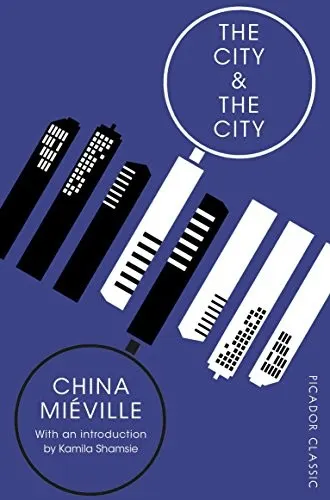
A corpse discovered in the city of Besźel draws Inspector Tyador Borlú into a case governed by an astonishing civic discipline: citizens must habitually “unsee” another city occupying the same physical space. Miéville makes this impossibility feel as regulated and mundane as an elevator inspection.
This is the recommendation for readers most captivated by The Intuitionist’s collision of noir procedure and metaphysical speculation. Every interview and jurisdictional dispute asks what people are trained to notice—and what authority requires them not to notice. Winner of the Hugo, World Fantasy, and Arthur C. Clarke awards, the novel earns its reputation by making an abstract idea sensuously real. Afterward, ordinary streets can feel governed by invisible borders.
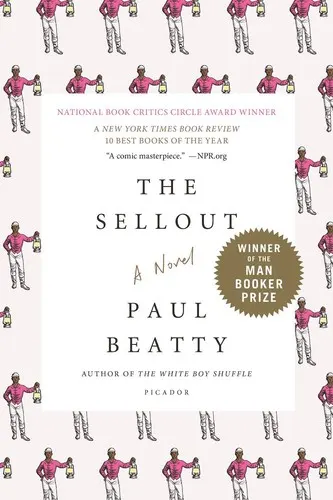
The narrator appears before the Supreme Court accused of trying to reinstate slavery and segregation—an opening provocation that Beatty develops with fearless precision rather than mere shock. His sentences ricochet through legal language, pop culture, history, and intimate humiliation, exposing the grotesque logic hidden inside supposedly enlightened institutions.
Where Whitehead builds racial allegory from elevator theory, Beatty builds it from the absurdities of post-racial America. Both writers understand that the wildest comic premise can become an exact instrument of diagnosis. The first American novel to win the Booker Prize, The Sellout is viciously funny, intellectually serious, and impossible to domesticate: it does not simply satirize racial categories but shows how language, policy, and self-deception keep manufacturing them.