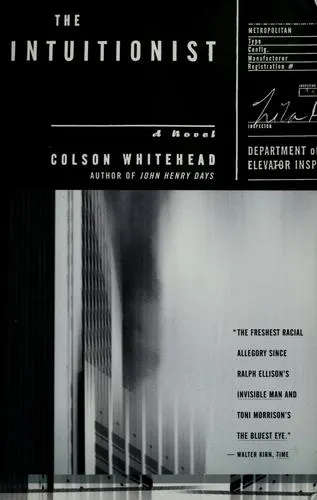
Books like The Intuitionist
A spotless new elevator drops with terrifying speed, and suddenly a machine, a city bureaucracy, and an entire theory of knowledge are under suspicion. These novels share Whitehead’s gift for turning audacious inventions into investigations of power, race, perception, and belief.
If you liked The Intuitionist, you’ll love these
Not lookalikes — kindred books. Each one shares something essential with The Intuitionist, and we tell you exactly what.
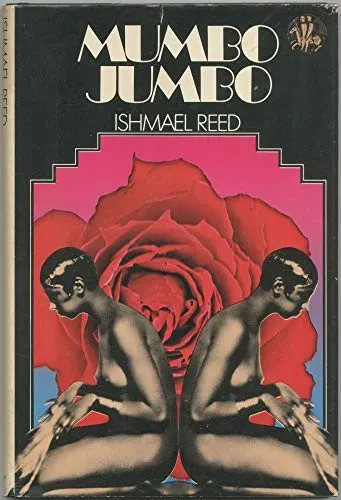
Reed’s 1972 National Book Award finalist is a crucial ancestor to Whitehead’s novel: a Black detective story, cultural conspiracy, historical burlesque, and philosophical argument occupying the same unruly pages. In 1920s America, an infectious force called Jes Grew spreads through music and dance, while PaPa LaBas investigates the institutions determined to suppress it.
Like The Intuitionist, it treats official knowledge as neither neutral nor innocent. Reed’s photographs, footnotes, invented documents, jokes, and occult scholarship create a rival archive in which Black culture becomes a powerful way of knowing. The book remains startlingly modern—mischievous, combative, formally free—and reading it reveals part of the literary current from which Whitehead’s own genre-defying audacity emerged.
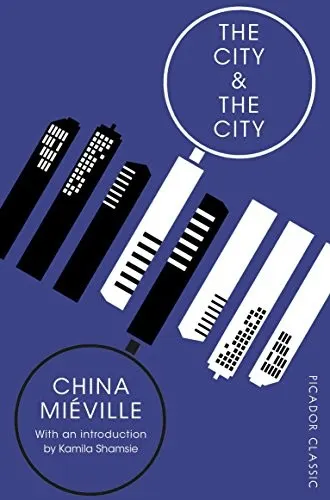
A corpse discovered in the city of Besźel draws Inspector Tyador Borlú into a case governed by an astonishing civic discipline: citizens must habitually “unsee” another city occupying the same physical space. Miéville makes this impossibility feel as regulated and mundane as an elevator inspection.
This is the recommendation for readers most captivated by The Intuitionist’s collision of noir procedure and metaphysical speculation. Every interview and jurisdictional dispute asks what people are trained to notice—and what authority requires them not to notice. Winner of the Hugo, World Fantasy, and Arthur C. Clarke awards, the novel earns its reputation by making an abstract idea sensuously real. Afterward, ordinary streets can feel governed by invisible borders.
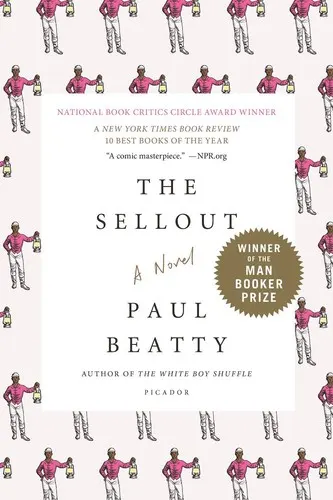
The narrator appears before the Supreme Court accused of trying to reinstate slavery and segregation—an opening provocation that Beatty develops with fearless precision rather than mere shock. His sentences ricochet through legal language, pop culture, history, and intimate humiliation, exposing the grotesque logic hidden inside supposedly enlightened institutions.
Where Whitehead builds racial allegory from elevator theory, Beatty builds it from the absurdities of post-racial America. Both writers understand that the wildest comic premise can become an exact instrument of diagnosis. The first American novel to win the Booker Prize, The Sellout is viciously funny, intellectually serious, and impossible to domesticate: it does not simply satirize racial categories but shows how language, policy, and self-deception keep manufacturing them.