Author
Books like Charlotte Brontë
5 books we recommend to Charlotte Brontë readers, drawn from Jane Eyre and Villette — each with the reason why.
If you loved Jane Eyre
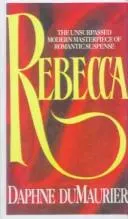
Rebecca recreates the intoxicating mixture of romance, dread, and unequal power that makes Jane Eyre so difficult to put down. Its unnamed young narrator marries the charismatic widower Maxim de Winter and enters Manderley, where his dead first wife seems to govern every room, ritual, and comparison.
But the real kinship lies in the narrator’s consciousness: her painful self-scrutiny, hungry imagination, and struggle to retain a self amid wealth and authority. Du Maurier turns insecurity into suspense with astonishing control. Since its 1938 publication, Rebecca has remained a beloved modern Gothic and one of the rare enormous bestsellers whose atmosphere and psychological precision fully justify its fame. Its opening alone has become part of literary memory; the rest earns that immortality.
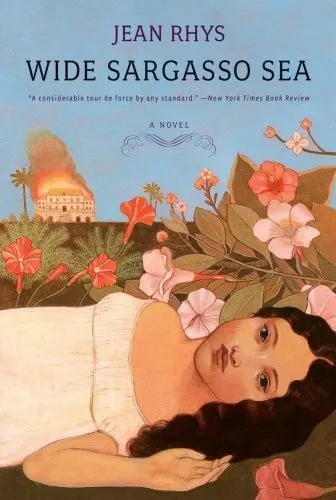
This brief, blazing novel speaks directly back to Jane Eyre by imagining a life for the woman Brontë leaves largely voiceless. In the aftermath of emancipation in Jamaica, Antoinette Cosway grows up amid racial hostility, ruined privilege, and profound uncertainty about where she belongs. Rhys gives her a sensuous, fractured voice in a landscape at once lush and threatening.
Wide Sargasso Sea does not merely supply missing history; it asks how identity can be renamed, confined, and narrated away by someone with greater power. Its shifts in perspective make love and cruelty disturbingly inseparable. Now regarded as both a postcolonial landmark and Rhys’s masterpiece, it changes the moral weather of Jane Eyre without diminishing Brontë’s novel. Read it, and the original will never look quite the same again.
If you loved Villette
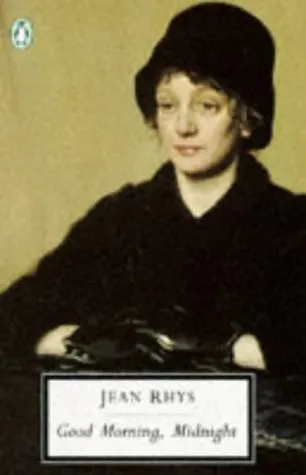
Sasha Jansen drifts through 1930s Paris, arranging cheap hotel rooms, drinks, clothes, and chance encounters as defenses against memory. Like Lucy Snowe, she is watchful, wounded, mordantly funny—and far less transparent than her apparent confessions suggest. Rhys makes a café table or an unkind glance carry the force of catastrophe.
The prose is sparer than Brontë’s, but it creates the same suffocating intimacy with a consciousness that both reveals and conceals itself. Once neglected along with its author, Good Morning, Midnight is now widely regarded as Rhys’s masterpiece. Anyone captivated by Villette’s fusion of urban estrangement, emotional extremity, and narrative evasiveness should consider it indispensable.
Eleanor Vance arrives at Hill House after years of dutiful confinement, hungry for independence and belonging. What follows matters less as a conventional ghost story than as an extraordinary study of a mind interpreting—or creating—the world around it. Architecture becomes psychology; jokes turn cruel without warning; hope and menace become nearly indistinguishable.
A lover of Villette will recognize the peculiar thrill of being trapped inside a lonely woman’s perceptions while never knowing exactly how much to trust them. Jackson’s sentences are elegant, sly, and exquisitely controlled, and the novel remains a benchmark for psychological horror. Few books rival Brontë’s ability to make repression feel supernatural; this is one of them.
Judith Hearne moves into a Belfast boarding house with a respectable wardrobe, a dwindling income, and elaborate hopes for the life that might still begin. Moore observes her social rituals with painful exactness: the carefully staged photograph, the hopeful visit, the tiny shift in another person’s tone that exposes contempt.
Where Lucy Snowe protects herself through irony and omission, Judith survives through fantasies that the novel treats with both merciless clarity and profound compassion. Faith, romantic longing, class embarrassment, and the terror of being ridiculous all press upon her. The book that established Moore’s reputation became a classic of postwar Irish fiction because it refuses either sentimentality or easy cruelty. Its emotional precision is devastating—and unforgettable.