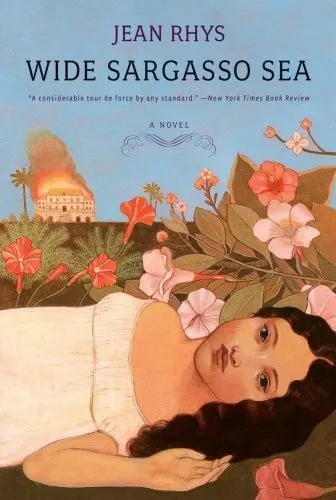
Books like Wide Sargasso Sea
—because what lingers is the way Rhys turns a silenced woman’s disorientation into a language of her own. These novels likewise make fractured consciousness, confinement, and resistance feel formally alive.
If you liked Wide Sargasso Sea, you’ll love these
Not lookalikes — kindred books. Each one shares something essential with Wide Sargasso Sea, and we tell you exactly what.
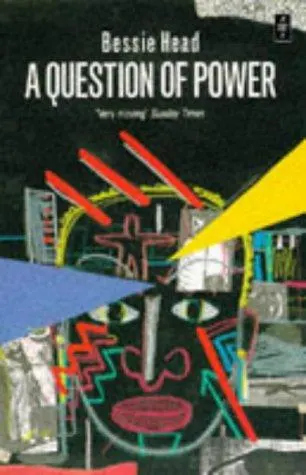
Elizabeth, exiled from apartheid South Africa to a village in Botswana, finds that displacement follows her inward: identity, desire, and power become the forces of an overwhelming psychological struggle. Like Rhys, Head refuses to keep personal breakdown separate from racial hierarchy or colonial history.
Head’s fiercely autobiographical novel moves between stark daily life and terrifying visions without reassuring the reader where one ends and the other begins. Its intensity can be punishing, but its compassion is equally radical. Now regarded as a major work of African literature, it offers the rare experience of a novel inventing a form adequate to a mind under siege.
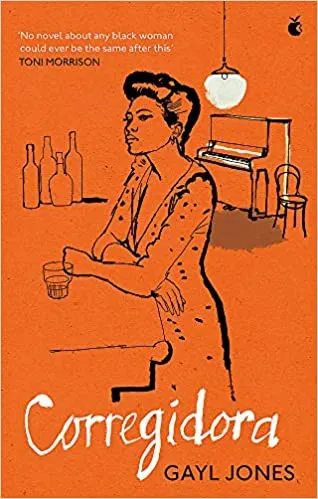
Ursa Corregidora is a blues singer whose voice carries a family history of enslavement and sexual violence. After an injury abruptly alters her future, she must confront what the women before her demanded she preserve—and what that inheritance has done to her capacity for intimacy.
Jones writes the way blues sounds: through repetition, pressure, broken phrases, and meanings that change each time they return. As in Wide Sargasso Sea, women’s bodies become contested archives, while male desire repeatedly mistakes possession for love. Edited by Toni Morrison and deeply influential since its 1975 publication, this short, scorching novel feels less like a story safely observed than a voice heard from inside the wound.
Ninety-two-year-old Marian Leatherby receives a hearing trumpet and promptly discovers that her family plans to shut her away in an institution. Where Rhys makes the imprisonment of the supposedly mad woman devastating, Carrington seizes that figure and gives her irreverence, appetite, friendship, and astonishing imaginative freedom.
Carrington’s cult classic begins with wonderfully dry comedy, then treats realism itself as another locked room to escape. Its surrealism is not decorative whimsy but a rebellion against the categories—old, female, dependent, insane—used to make Marian disappear. A reader haunted by Rhys’s attic will relish seeing an indomitable heroine refuse every architecture built to contain her.