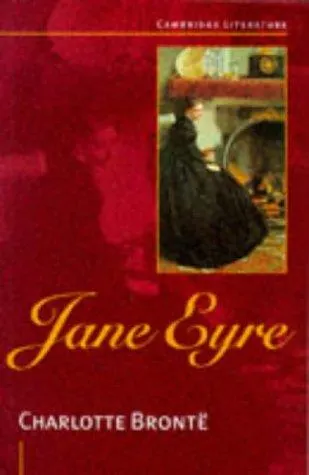
Books like Jane Eyre
You responded to Jane’s fierce inward life, her refusal to surrender self-respect, and the dangerous pull between desire and independence. These three novels carry that intensity in strikingly different directions.
If you liked Jane Eyre, you’ll love these
Not lookalikes — kindred books. Each one shares something essential with Jane Eyre, and we tell you exactly what.
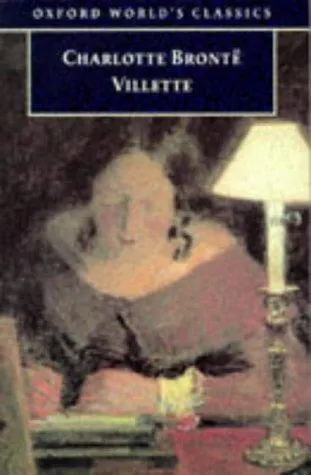
Brontë’s final novel is the essential next step: stranger, darker, and psychologically subtler than Jane Eyre. Lucy Snowe arrives alone in a foreign city and builds a life through intelligence, discipline, and watchfulness. Her narration is guarded and sometimes mischievously unreliable; every silence feels charged with what she cannot—or will not—admit.
Where Jane declares herself, Lucy conceals herself, and that difference makes Villette extraordinarily intimate. Loneliness, jealousy, religious authority, and thwarted desire become almost physical presences. Many critics consider it Brontë’s greatest artistic achievement, and its unsettling emotional force has inspired unusually devoted readers. To love Jane Eyre without meeting Lucy Snowe is to leave Brontë’s most haunting heroine undiscovered.
Rebecca recreates the intoxicating mixture of romance, dread, and unequal power that makes Jane Eyre so difficult to put down. Its unnamed young narrator marries the charismatic widower Maxim de Winter and enters Manderley, where his dead first wife seems to govern every room, ritual, and comparison.
But the real kinship lies in the narrator’s consciousness: her painful self-scrutiny, hungry imagination, and struggle to retain a self amid wealth and authority. Du Maurier turns insecurity into suspense with astonishing control. Since its 1938 publication, Rebecca has remained a beloved modern Gothic and one of the rare enormous bestsellers whose atmosphere and psychological precision fully justify its fame. Its opening alone has become part of literary memory; the rest earns that immortality.
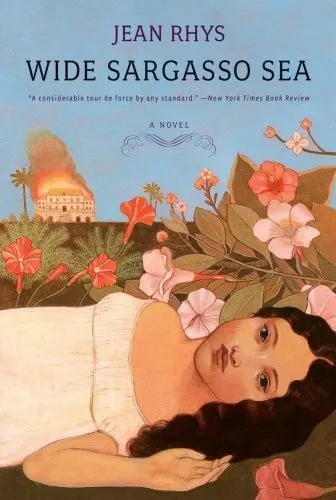
This brief, blazing novel speaks directly back to Jane Eyre by imagining a life for the woman Brontë leaves largely voiceless. In the aftermath of emancipation in Jamaica, Antoinette Cosway grows up amid racial hostility, ruined privilege, and profound uncertainty about where she belongs. Rhys gives her a sensuous, fractured voice in a landscape at once lush and threatening.
Wide Sargasso Sea does not merely supply missing history; it asks how identity can be renamed, confined, and narrated away by someone with greater power. Its shifts in perspective make love and cruelty disturbingly inseparable. Now regarded as both a postcolonial landmark and Rhys’s masterpiece, it changes the moral weather of Jane Eyre without diminishing Brontë’s novel. Read it, and the original will never look quite the same again.