Author
Books like Buchi Emecheta
4 books we recommend to Buchi Emecheta readers, drawn from Second Class Citizen and The Joys of Motherhood — each with the reason why.
If you loved Second Class Citizen
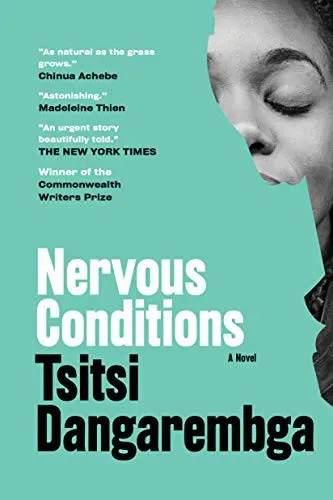
Tambu’s startling opening declaration immediately establishes a narrator as candid, intelligent and unwilling to perform the emotions expected of her. Like Adah, she sees education not simply as advancement but as an escape route—and gradually recognizes that escape can carry its own forms of captivity.
Dangarembga writes with Emecheta’s gift for exposing injustice through domestic detail rather than sermons. Meals, school fees and family obligations become instruments of power; victories remain complicated by who paid for them. Winner of the Commonwealth Writers’ Prize for the Africa region, Nervous Conditions became a foundational novel of African women’s writing because its anger is matched by extraordinary psychological precision.
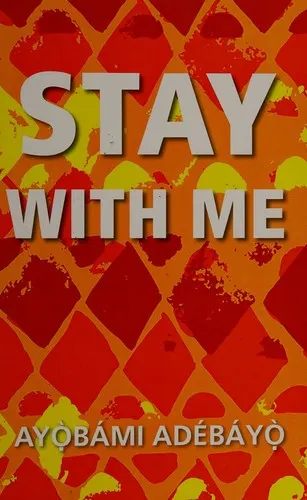
At the novel’s outset, Yejide’s husband’s family arrives with a second wife: after four childless years, private sorrow has become public property. Adébáyọ̀ builds from that intrusion an intimate, compulsively readable study of marriage, fertility and the terrible ingenuity people develop under social pressure.
A reader who admired Emecheta’s refusal to romanticize motherhood will recognize the kinship immediately. Yet Stay with Me is no imitation: alternating voices turn marital certainty into unstable ground, while sharp humor keeps the book from becoming merely bleak. Its Baileys Prize shortlisting helped announce Adébáyọ̀ as a major novelist; the novel earns that reputation by making every revelation deepen, rather than simplify, its characters.
If you loved The Joys of Motherhood
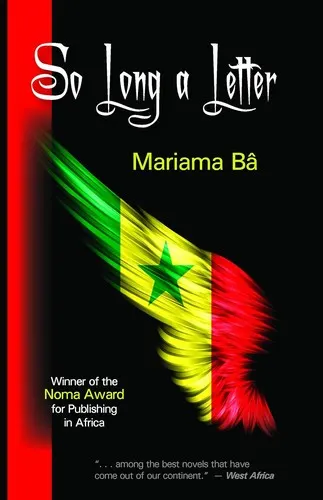
During her prescribed period of mourning, a Senegalese widow writes to her oldest friend, looking back on marriage, motherhood, betrayal, and the choices available to women. Like Emecheta, Bâ examines a culture that reveres wives and mothers in principle while treating their needs as expendable in practice.
Where The Joys of Motherhood gains force from unsparing irony, Bâ’s novel works through intimate, poised confession. Its narrator can grieve and judge, cherish tradition and resist it, without being reduced to a simple emblem of oppression. Winner of the inaugural Noma Award for Publishing in Africa, this slender modern classic contains the moral and emotional density of a much longer book. Its lucid voice makes every compromise feel personal—and every claim to selfhood momentous.
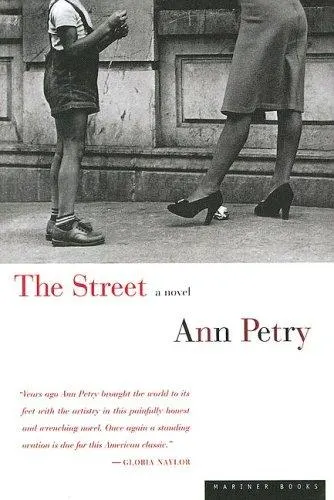
Lutie Johnson is determined to make a secure life for herself and her young son, but the Harlem street where she finds an apartment seems organized to profit from every vulnerability she has. Petry renders rent, wages, childcare, sexual danger, and respectability not as background problems but as forces pressing directly on character.
That is the deepest bond with The Joys of Motherhood: both novels dismantle the comforting belief that maternal devotion must eventually be rewarded. Lutie’s striving is admirable, but Petry keeps asking what individual virtue can accomplish when the economic rules are hostile from the outset. Her prose has the drive of a thriller and the accumulating pressure of tragedy; even the wind in the famous opening scene feels predatory. A 1946 sensation and the first novel by an African American woman to sell more than a million copies, The Street remains devastating because its social vision never overwhelms the vivid, stubborn woman at its center.