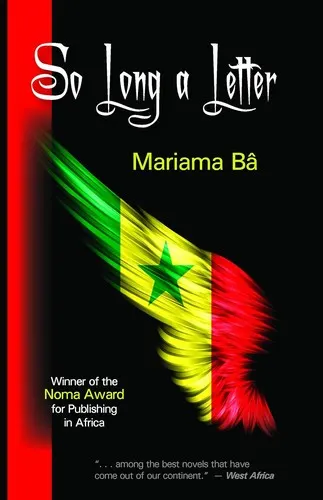
Books like So Long a Letter
The reader drawn to So Long a Letter values emotional candor joined to moral intelligence: intimate pain examined without self-pity, and women thinking their way through the claims of love, custom, family, and freedom.
If you liked So Long a Letter, you’ll love these
Not lookalikes — kindred books. Each one shares something essential with So Long a Letter, and we tell you exactly what.
Esinom, an educated Ghanaian woman, wants a life in which professional ambition, desire, and marriage can coexist without one consuming the others. Aidoo treats that wish neither as naïve nor easily attainable. Her great strength is her refusal to make tradition and modernity into tidy opposites: every arrangement that promises freedom carries its own compromises.
Like Bâ, Aidoo writes with wit, lucidity, and an unsparing understanding of how intelligent women can recognize an injustice yet remain emotionally entangled in it. Winner of the Commonwealth Writers’ Prize for Africa, Changes is one of the essential novels of African feminism—and perhaps the closest companion to So Long a Letter in intellectual temperament.
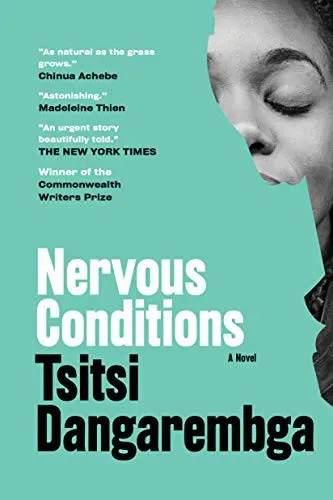
Tambu begins with the startling declaration that she was not sorry when her brother died, then patiently explains the world that made such a feeling possible. Her hunger for education brings her into a wealthier branch of her Zimbabwean family, where opportunity, colonial influence, gender, and obedience are knotted together.
What connects Dangarembga to Bâ is the precision with which she reveals power inside ordinary family life: who eats, who studies, who sacrifices, who is permitted to speak. The relationships among Tambu, her cousin Nyasha, and the women around them are affectionate, competitive, and politically charged without ever becoming abstractions. The first novel in English by a Black Zimbabwean woman and a Commonwealth Writers’ Prize winner, Nervous Conditions has become a modern classic because its quiet voice keeps exposing deeper and deeper fault lines.
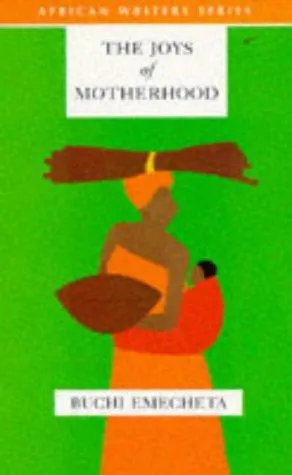
The title’s irony begins working almost immediately. Nnu Ego has been taught that motherhood will confer dignity, security, and meaning; Emecheta asks what happens when a whole society praises women’s sacrifice while arranging life so that sacrifice is endless and largely unrewarded.
Where Bâ gives us the composed reckoning of a woman betrayed by marriage, Emecheta offers a broader, fiercer anatomy of the ideals surrounding wifehood and maternity. Yet Nnu Ego is never merely an example in an argument: her hopes are so comprehensible that each disappointment lands personally. Long established as a landmark of African women’s writing, The Joys of Motherhood is devastating precisely because it takes the promises made to women seriously—and then audits every one of them.