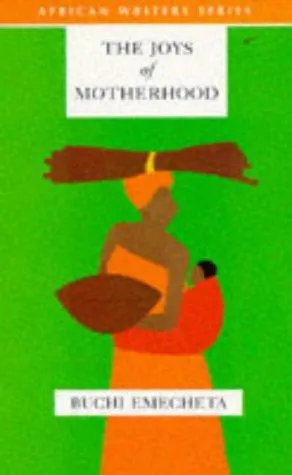
Books like The Joys of Motherhood
Tenderness under pressure, bitter irony, and the slow recognition that society can turn a woman’s deepest loyalties into instruments of her confinement run through all three books.
If you liked The Joys of Motherhood, you’ll love these
Not lookalikes — kindred books. Each one shares something essential with The Joys of Motherhood, and we tell you exactly what.

During her prescribed period of mourning, a Senegalese widow writes to her oldest friend, looking back on marriage, motherhood, betrayal, and the choices available to women. Like Emecheta, Bâ examines a culture that reveres wives and mothers in principle while treating their needs as expendable in practice.
Where The Joys of Motherhood gains force from unsparing irony, Bâ’s novel works through intimate, poised confession. Its narrator can grieve and judge, cherish tradition and resist it, without being reduced to a simple emblem of oppression. Winner of the inaugural Noma Award for Publishing in Africa, this slender modern classic contains the moral and emotional density of a much longer book. Its lucid voice makes every compromise feel personal—and every claim to selfhood momentous.
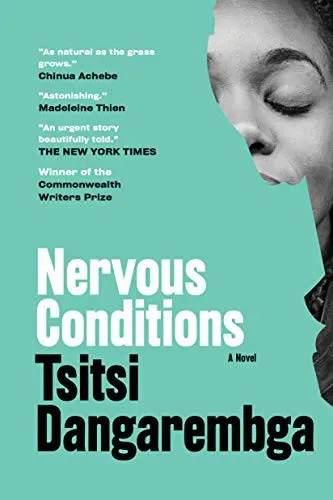
“I was not sorry when my brother died” is the startling opening of this landmark Zimbabwean novel. Tambu, a fiercely intelligent girl in colonial Rhodesia, wants an education, but every opportunity arrives entangled with family obligation, money, gender, and cultural power.
A reader moved by Nnu Ego’s predicament will recognize Dangarembga’s gift for showing how large systems take effect through meals, school fees, resentments, and acts of apparent generosity. Yet Nervous Conditions offers a revealing change of angle: it looks from the daughter’s side at the sacrifices expected of women and asks whether advancement can liberate a person without estranging her from herself. The first novel in English published by a Black Zimbabwean woman, and a Commonwealth Writers’ Prize winner, it is fierce, funny, psychologically exact—and unforgettable in its refusal to make emancipation simple.
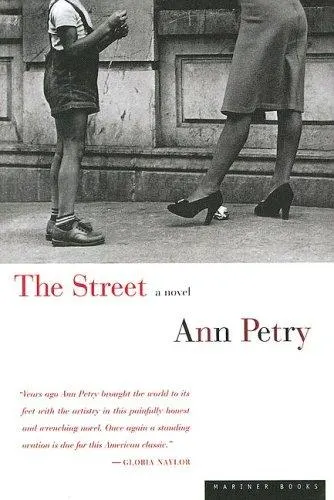
Lutie Johnson is determined to make a secure life for herself and her young son, but the Harlem street where she finds an apartment seems organized to profit from every vulnerability she has. Petry renders rent, wages, childcare, sexual danger, and respectability not as background problems but as forces pressing directly on character.
That is the deepest bond with The Joys of Motherhood: both novels dismantle the comforting belief that maternal devotion must eventually be rewarded. Lutie’s striving is admirable, but Petry keeps asking what individual virtue can accomplish when the economic rules are hostile from the outset. Her prose has the drive of a thriller and the accumulating pressure of tragedy; even the wind in the famous opening scene feels predatory. A 1946 sensation and the first novel by an African American woman to sell more than a million copies, The Street remains devastating because its social vision never overwhelms the vivid, stubborn woman at its center.