Author
Books like Anne Enright
6 books we recommend to Anne Enright readers, drawn from The Gathering and The Green Road — each with the reason why.
If you loved The Gathering
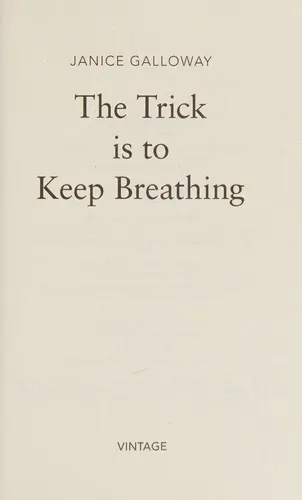
Joy Stone is trying to function after her lover’s death, but grief has invaded the page itself: thoughts break apart, white space yawns, and banal instructions acquire a sinister force. As with Veronica Hegarty, the body knows what the narrating mind evades.
Galloway’s landmark debut is both formally audacious and painfully intimate, with the same mordant comedy Enright finds inside psychic collapse. It does not tidy suffering into revelation; it makes survival feel strange, humiliating, and momentous.
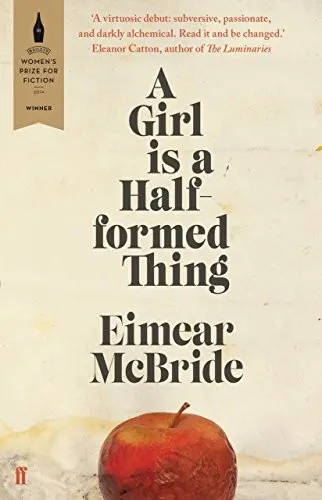
McBride pushes even further into the territory Enright opens between memory, language, and the violated body. Her narrator’s syntax arrives shattered and immediate, carrying childhood fear, Catholic shame, desire, and fierce attachment to a brother before experience can be made respectable.
Winner of both the inaugural Goldsmiths Prize and the Baileys Women’s Prize, this is not experimentation as ornament: its broken language is the story’s emotional truth. Readers who loved The Gathering for its refusal to make family trauma neat or safely retrospective should find it electrifying.

Two sisters stand at the center of Toews’s novel: one determined to die, the other desperately improvising reasons for her to remain. Yet the deepest kinship with Enright lies in its tonal daring. Toews lets jokes, domestic absurdity, anger, and helpless love coexist without using humor to soften the pain.
The novel won the Writers’ Trust Fiction Prize and has inspired unusually devoted readers because it asks an almost unbearable question without offering a false answer: what does love require when it cannot save someone? Warmer than The Gathering but no less clear-eyed, it turns family loyalty into something comic, exasperating, and devastatingly alive.
If you loved The Green Road
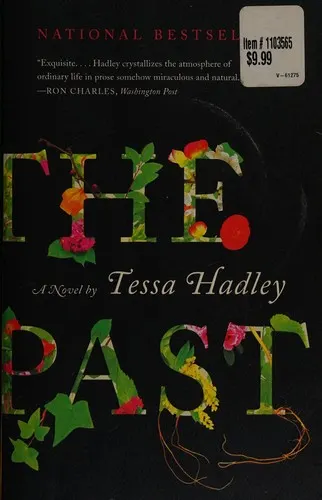
Four adult siblings gather at the country house their family is about to lose, bringing children, partners, old allegiances, and incompatible memories. Hadley makes the smallest gesture—a hesitation, an overheard remark, a choice of bedroom—expose decades of rivalry and need.
Like Enright, she moves among consciousnesses without flattening anyone into a family role. Her people are selfish, perceptive, ridiculous, and vulnerable in changing proportions. Hadley’s reputation as a consummate observer of domestic life is fully earned here: the novel’s quiet surface conceals an almost ruthless understanding of how families manufacture their own pasts. If Rosaleen’s children felt startlingly alive to you, these siblings will take up residence beside them.
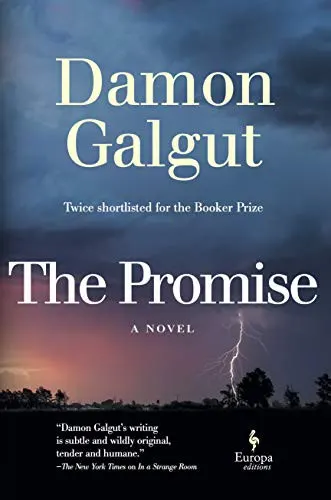
Winner of the 2021 Booker Prize, Galgut’s novel follows a white South African family whose moral failures gather around an unfulfilled promise. Yet its deepest kinship with The Green Road lies in its form: a restless narrative voice slips between people, glances across years, and allows private evasions to reveal a changing country.
Galgut can be savagely funny, but his irony never becomes easy contempt. As in Enright, family members scatter into separate lives while remaining bound by the emotional and material claims of home. The prose itself seems to circle them like an intelligence—sometimes intimate, sometimes merciless. It is one of those rare prizewinning novels whose technical brilliance increases, rather than cools, its emotional force.
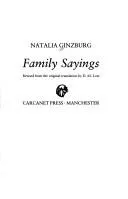
Ginzburg builds an entire family from its repeated sayings: a father’s tirades, private jokes, pet phrases, stories told so often that they become communal property. The result is comic, abrasive, and extraordinarily tender without ever declaring itself tender.
This Strega Prize–winning Italian classic will speak especially to readers who loved Enright’s ear for the language through which relatives wound, classify, and claim one another. History presses in, but Ginzburg refuses grand explanation; she trusts voices, omissions, and recurrence. Brief and apparently artless, Family Lexicon has the density of a lifetime. Once read, its quarrelsome household feels less like a cast of characters than a family you somehow remember.