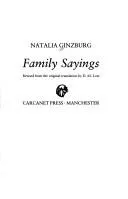
Books like Family Lexicon
In Family Lexicon, history survives not as a grand narrative but as household contraband: nicknames, scoldings, jokes and phrases worn smooth by repetition. These novels likewise understand that families reveal themselves most completely through the language and rituals they cannot stop repeating.
If you liked Family Lexicon, you’ll love these
Not lookalikes — kindred books. Each one shares something essential with Family Lexicon, and we tell you exactly what.
Bedford’s celebrated first novel turns the intertwined histories of two German families before the First World War into something at once intimate, comic and politically ominous. As in Ginzburg, marriages, prejudices and private absurdities matter because they are the forms through which a whole historical world becomes visible.
Bedford is more sumptuous and panoramic than Ginzburg, but she shares her exhilarating precision: a relative’s manner of speaking or one ridiculous social ceremony can disclose an entire moral order. Evelyn Waugh admired the novel on publication, and it has since acquired the aura of a rediscovered classic. Anyone who loved Ginzburg’s transformation of family lore into literature should not miss Bedford’s brilliant, worldly variation on the feat.
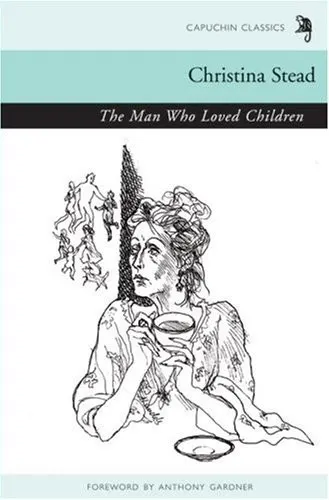
Few novels understand as fiercely that a family can be ruled by its own vocabulary. Sam Pollit, the expansive father at the center of Christina Stead’s masterpiece, pours out pet names, performances, theories and invented expressions; his language is entertaining, suffocating and inseparable from his power over the household.
This is the darker, more volcanic cousin of Family Lexicon. Stead makes domestic speech into drama: every joke recruits an ally, every repeated phrase hardens into family law. The novel’s emotional extremity is balanced by extraordinary comic invention, especially in its portrayal of children learning to resist the stories adults tell about them. Long championed by writers including Randall Jarrell and Jonathan Franzen, it inspires unusual devotion because no other family novel sounds remotely like it.
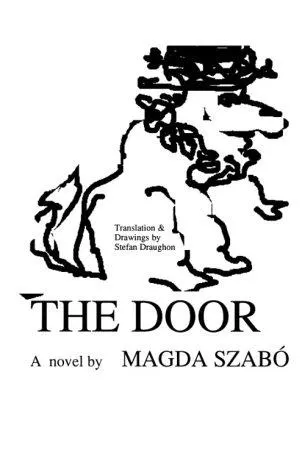
A writer named Magda hires Emerence, an imperious older woman who insists on judging her prospective employer before accepting the job. From that reversal grows an attachment conducted through cleaning, food, rebukes, refusals and stubborn acts of care. Szabó, like Ginzburg, distrusts sentimental declarations: love is most legible in habits, quarrels and practical loyalties.
The political catastrophes of twentieth-century Europe remain present without overwhelming the singular people who endured them. Szabó also shares Ginzburg’s unsparing retrospective intelligence—the narrator remembers not to beautify herself, but to reckon with what intimacy demanded and what she failed to understand. Widely regarded as Szabó’s masterpiece, The Door has the rare severity of a book that becomes more emotionally powerful because it refuses consolation.