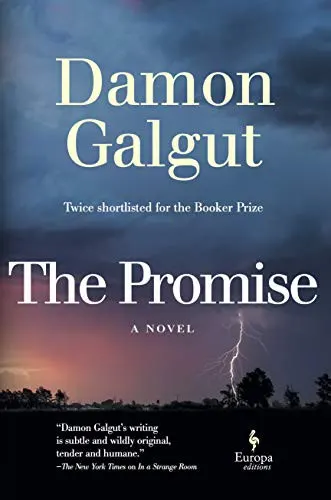
Books like The Promise
Readers drawn to The Promise relish fiction that turns a family’s private evasions into a nation’s moral history—and does so with formal daring, dark comedy, and no comforting verdict.
If you liked The Promise, you’ll love these
Not lookalikes — kindred books. Each one shares something essential with The Promise, and we tell you exactly what.
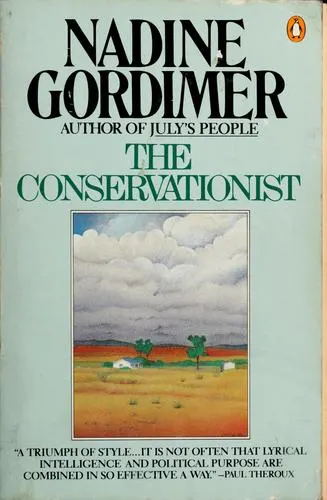
This Booker Prize winner is an essential precursor to Galgut’s novel. Its protagonist, Mehring, is a wealthy white industrialist who treats his South African farm as possession, refuge, and proof of his own importance—until the land begins to resist his preferred account of it.
Gordimer’s shifting, densely layered narration exposes self-deception without simplifying it. As in The Promise, ownership is never merely legal: it carries buried claims, stolen histories, and obligations that cannot be wished away. The result is eerie, caustic, and morally inexhaustible—a landmark novel whose vision of land and belonging still feels dangerously alive.
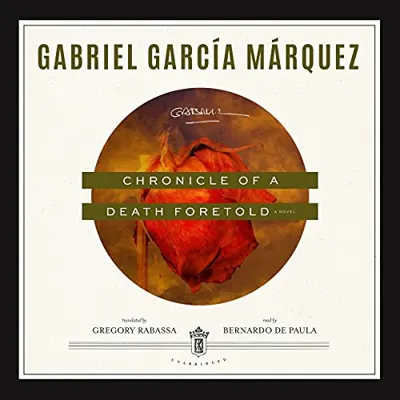
From its first sentence, this short novel tells you that Santiago Nasar will be killed. Suspense comes not from what happens but from how an entire community permits what everyone appears to know is coming.
A lover of Galgut’s four-funeral architecture will recognize the brilliance of inevitability used as accusation. García Márquez assembles testimony, gossip, faulty memory, and coincidence into a narrative at once comic and appalling. Like Galgut, he makes collective guilt feel intimate: responsibility passes from hand to hand until it seems to belong everywhere and nowhere. Few novels this compact leave such a large moral echo.
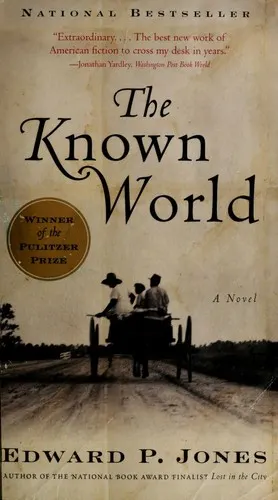
Jones’s Pulitzer Prize–winning novel begins after the death of Henry Townsend, a formerly enslaved Black man who became an enslaver himself, and expands outward through the people entangled in his estate. Its subject is not hypocrisy in the easy sense, but the way a corrupt social order enters people’s imaginations and relationships.
The kinship with The Promise lies especially in the narration. Jones moves freely between minds and across decades, casually revealing whole futures in a sentence; the effect is godlike, compassionate, and devastatingly ironic. Property, inheritance, and family loyalty become instruments for measuring moral blindness. This is one of the great American novels of the century, with the rare power to make omniscience feel not old-fashioned but revelatory.