Author
Books like Andrzej Sapkowski
5 books we recommend to Andrzej Sapkowski readers, drawn from The Witcher and The Tower of Fools — each with the reason why.
If you loved The Witcher
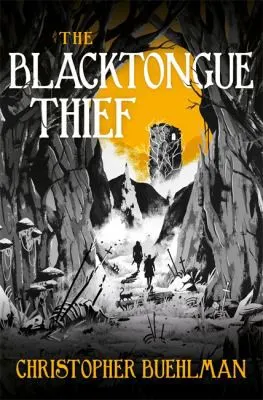
Kinch Na Shannack is a trained thief burdened by debt, bad luck, and a mouth that keeps making both worse. When an attempted roadside robbery collides with a formidable warrior’s mission, he is dragged into a journey through a world permanently scarred by war with goblins.
Buehlman matches Sapkowski’s rare ability to make fantasy funny without making its dangers frivolous. Kinch’s narration is bawdy, cunning, and unexpectedly tender; songs, curses, religions, and card games make the world feel lived in rather than catalogued. Its monsters belong to unsettling folklore, while its human institutions are often more predatory still. The result is one of modern fantasy’s most distinctive adventures—and Kinch is the kind of rogue whose company becomes difficult to leave.
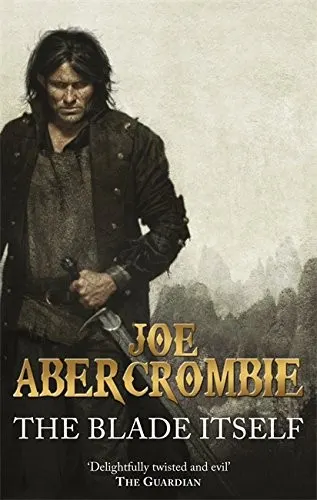
Abercrombie introduces three wonderfully ill-fitting protagonists: Logen Ninefingers, a feared warrior tired of surviving; Jezal dan Luthar, a vain young officer; and Sand dan Glokta, a former hero now employed as a torturer. Their alternating perspectives turn every claim of honor, heroism, or civilization until its uglier underside shows.
What Witcher readers will recognize is not simply “grimness,” but the collision between professed ideals and actual behavior. Abercrombie’s dialogue snaps, his violence has consequences, and even appalling characters become horribly understandable. This novel helped define modern grimdark because its cynicism is powered by superb characterization rather than empty cruelty. Begin here and you gain entry to the First Law world, one of contemporary fantasy’s most fiercely loved bodies of work.
If you loved The Tower of Fools
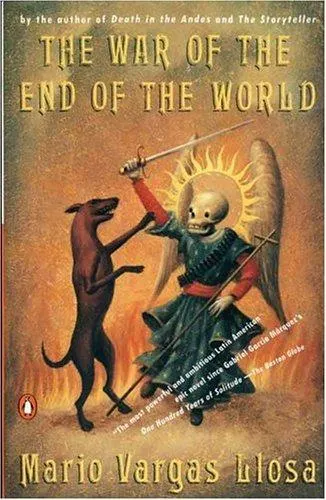
In the drought-stricken Brazilian backlands, a wandering preacher gathers society’s discarded people around him, while politicians, landowners, soldiers, and journalists struggle to explain—and exploit—the resulting movement.
Like Sapkowski, Vargas Llosa views religious upheaval from every rung of society. Conviction becomes fanaticism, information becomes rumor, and grotesque comedy abruptly gives way to terror. The constantly shifting perspectives produce the same exhilarating sense that history is being improvised by fools who believe they understand it. Widely regarded as one of Vargas Llosa’s greatest novels, this is historical fiction on the scale of an apocalypse, yet crowded with painfully individual lives.
During the sack of Constantinople, an irrepressible liar named Baudolino rescues a historian and begins recounting his astonishing life. The trouble—and pleasure—is deciding whether his inventions merely distort history or actively create it.
This is the closest match for Sapkowski’s mixture of erudition and mischief. Eco turns theology, diplomacy, forged documents, fabulous creatures, and tavern humor into a picaresque adventure without sacrificing intellectual seriousness. Baudolino, like Reynevan, survives less through wisdom than through verbal agility, luck, and other people’s willingness to believe nonsense. Few novels make medieval thought feel so strange, vigorous, and entertaining.
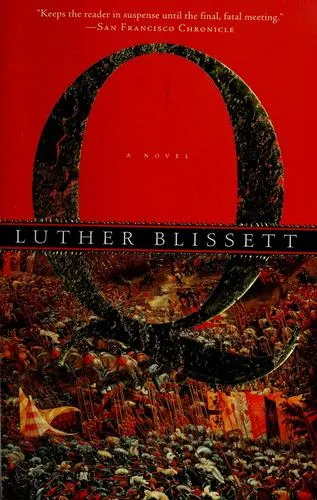
A nameless radical moves through the convulsions of the Reformation under successive identities, while an elusive papal agent reports on rebellions, heresies, and the people trying to turn spiritual revolt into political power.
Written by the Italian collective later known as Wu Ming, Q became an international cult novel because it makes history move with the speed of a conspiracy thriller. Pamphlets function like weapons; alliances decay from within; idealists become manipulators or victims. Its protagonist is repeatedly swept into movements larger than himself, giving the book Sapkowski’s combination of breathless reversals and bitter skepticism about grand causes. Once its web of rebels, spies, bankers, and zealots tightens, it is exceptionally hard to escape.