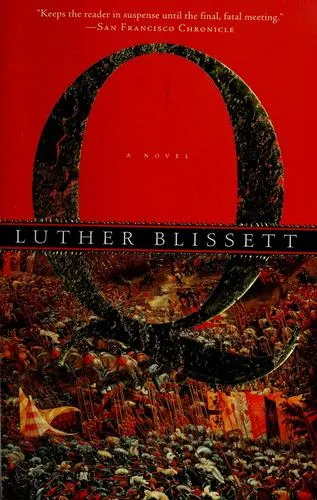
Books like Q
Q and Manituana are sibling insurgencies, both turning neglected history into a propulsive struggle over who gets to narrate freedom.
If you liked Q, you’ll love these
Not lookalikes — kindred books. Each one shares something essential with Q, and we tell you exactly what.
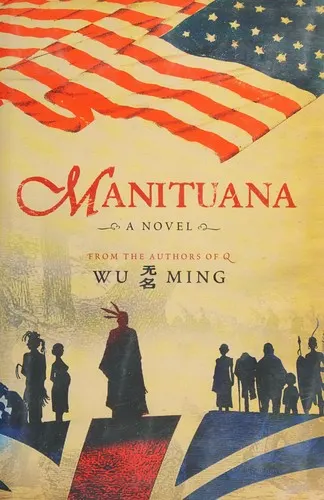
Written by the collective that emerged from the Luther Blissett project, Manituana carries Q’s creative DNA without repeating it. On the eve of the American Revolution, it refuses the comforting schoolbook opposition between liberty and tyranny, viewing the conflict through Indigenous communities and uneasy alliances that the revolution’s mythology obscures.
What returns is Q’s exhilarating combination of research, adventure and ideological combat: history appears not as a procession of great men but as a web of couriers, storytellers, fighters and compromised intermediaries. Wu Ming write action with political intelligence and politics with the pulse of action. Anyone who loved Q’s ability to make counterhistory feel alive should regard Manituana as the essential next volume in that larger, unruly project.

Tokarczuk builds this monumental novel around Jacob Frank, an eighteenth-century religious dissident whose followers cross borders, faiths and identities. Yet its deepest kinship with Q lies in its suspicion of every stable account. Clerics, converts, aristocrats, outsiders and witnesses each possess fragments of the truth; together they form a teeming archive in which liberation, fraud, belief and power cannot be neatly separated.
The result is more patient than Q but even more capacious: a vast social world assembled from letters, rumors, doctrines, bodies and appetites. Tokarczuk, a Nobel laureate, won Poland’s Nike Award for the novel, while Jennifer Croft’s English translation received the International Booker Prize. Those honors fit its achievement, but not its strangeness. It is the rare historical epic that makes heresy feel intellectually dangerous rather than picturesque—and after its thousand pages, many readers wish there were more.
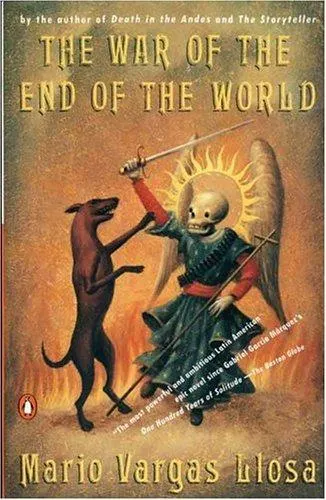
Here is the book for the reader who loved Q’s crowds, zealots, spies, shifting allegiances and catastrophic collisions between popular faith and organized power. In the Brazilian backlands, a wandering preacher draws society’s dispossessed toward a new community; government officials and journalists interpret what follows through their own fears and political fantasies.
Vargas Llosa orchestrates the resulting perspectives with extraordinary force. No faction controls the meaning of events, and noble ideals become entangled with vanity, misunderstanding and brutality. Although written on an immense scale, the novel moves with the mounting pressure of a siege. Widely regarded as one of Vargas Llosa’s masterpieces, it offers what Q’s admirers crave most: history as a furnace where stories become weapons, identities become masks, and nobody emerges ideologically untouched.