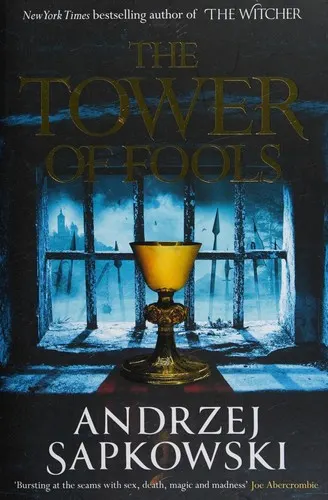
Books like The Tower of Fools
Mario Vargas Llosa’s Brazilian epic belongs here because Sapkowski’s deepest subject is not medieval magic but the combustible meeting of faith, power, folly, and historical accident. These three novels share his panoramic intelligence, dangerous journeys, compromised heroes, and gift for making ideological catastrophe grimly entertaining.
If you liked The Tower of Fools, you’ll love these
Not lookalikes — kindred books. Each one shares something essential with The Tower of Fools, and we tell you exactly what.
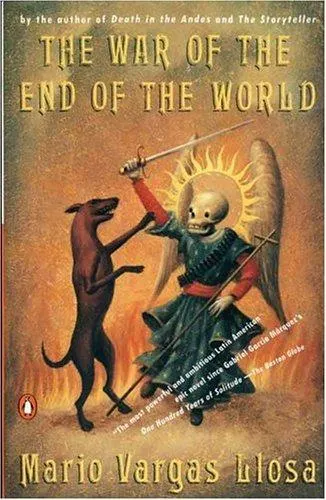
In the drought-stricken Brazilian backlands, a wandering preacher gathers society’s discarded people around him, while politicians, landowners, soldiers, and journalists struggle to explain—and exploit—the resulting movement.
Like Sapkowski, Vargas Llosa views religious upheaval from every rung of society. Conviction becomes fanaticism, information becomes rumor, and grotesque comedy abruptly gives way to terror. The constantly shifting perspectives produce the same exhilarating sense that history is being improvised by fools who believe they understand it. Widely regarded as one of Vargas Llosa’s greatest novels, this is historical fiction on the scale of an apocalypse, yet crowded with painfully individual lives.
During the sack of Constantinople, an irrepressible liar named Baudolino rescues a historian and begins recounting his astonishing life. The trouble—and pleasure—is deciding whether his inventions merely distort history or actively create it.
This is the closest match for Sapkowski’s mixture of erudition and mischief. Eco turns theology, diplomacy, forged documents, fabulous creatures, and tavern humor into a picaresque adventure without sacrificing intellectual seriousness. Baudolino, like Reynevan, survives less through wisdom than through verbal agility, luck, and other people’s willingness to believe nonsense. Few novels make medieval thought feel so strange, vigorous, and entertaining.
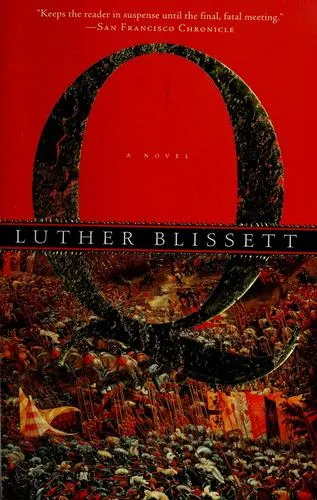
A nameless radical moves through the convulsions of the Reformation under successive identities, while an elusive papal agent reports on rebellions, heresies, and the people trying to turn spiritual revolt into political power.
Written by the Italian collective later known as Wu Ming, Q became an international cult novel because it makes history move with the speed of a conspiracy thriller. Pamphlets function like weapons; alliances decay from within; idealists become manipulators or victims. Its protagonist is repeatedly swept into movements larger than himself, giving the book Sapkowski’s combination of breathless reversals and bitter skepticism about grand causes. Once its web of rebels, spies, bankers, and zealots tightens, it is exceptionally hard to escape.