Author
Books like Andrei Platonov
4 books we recommend to Andrei Platonov readers, drawn from The Foundation Pit and Chevengur — each with the reason why.
If you loved The Foundation Pit
Erofeev’s samizdat classic follows an eloquent, catastrophically drunk narrator traveling by train toward Petushki. His monologue mixes cocktail recipes, Soviet slogans, literary quotation, theology, and wounded confession until parody becomes lament.
A reader who loves Platonov’s ability to make debased public language disclose private sorrow will recognize the miracle here. Erofeev is more flamboyantly comic, but the laughter keeps opening onto metaphysical loneliness. Few underground works became so beloved: its phrases entered Russian cultural memory because beneath the virtuoso absurdity lies a voice of extraordinary vulnerability.
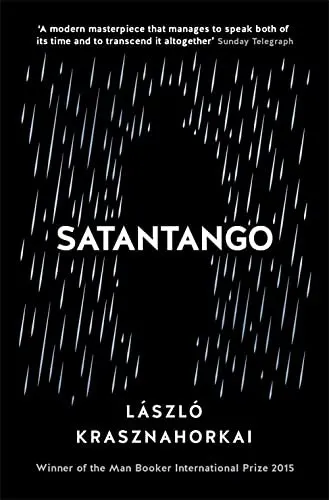
On a collapsing Hungarian collective farm, rain, debt, suspicion, and rumor bind a handful of stranded people together. Then news arrives that a man they believed gone is returning, and their exhausted lives tilt toward expectation.
Krasznahorkai’s immense, coiling sentences do what Platonov’s compressed distortions do by opposite means: they make hope, humiliation, calculation, and despair occupy the same breath. The novel’s tango-like structure repeatedly revisits its ruined community, exposing how desperately people need a future—and how easily that need can be organized against them. Now regarded as a modern European masterpiece, and famously adapted by Béla Tarr, Satantango offers the rare combination of formal audacity, bleak comedy, and compassion that makes The Foundation Pit inexhaustible.
If you loved Chevengur
Erofeev turns a commuter-train journey into a drunken pilgrimage through the spiritual wreckage of Soviet life. His narrator, Venya, is a holy fool with an encyclopedic knowledge of alcohol, despair, poetry, and the strange hierarchies of angels. His elaborate cocktail recipes are simultaneously slapstick, folk art, and black mass.
Like Chevengur, the novel finds genuine innocence inside grotesque comedy. Official language is dismantled and rebuilt as prophecy; degradation keeps opening unexpectedly onto beauty. Circulated for years in samizdat, Moscow-Petushki became a fiercely beloved cult classic because it can make readers laugh helplessly while quietly breaking their hearts.
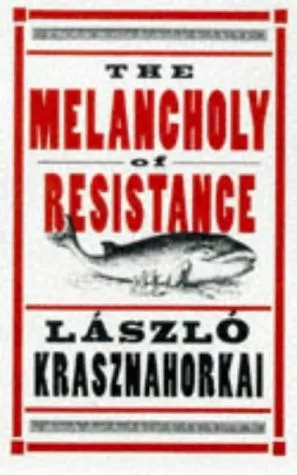
A shabby circus arrives in a frozen Hungarian town carrying an enormous stuffed whale, and the town’s latent dread begins to gather around it. Krasznahorkai watches rumor, resentment, ideology, and longing pass from person to person until an entire community seems to share one fevered mind.
The kinship with Chevengur lies in the fusion of apocalypse and absurdity, and in the compassion reserved for impractical visionaries. Krasznahorkai’s long, engulfing sentences make thought itself feel like weather, while the gentle Valuska—who stages the movements of the planets using drunks in a bar—belongs among fiction’s unforgettable utopian innocents. This landmark of modern European literature offers the rare experience of entering a complete, terrifying comic cosmos.