Books like Chevengur
A ragged prophet walks through the ruins of a promised paradise, hearing both the joke and the heartbreak in every slogan.
If you liked Chevengur, you’ll love these
Not lookalikes — kindred books. Each one shares something essential with Chevengur, and we tell you exactly what.
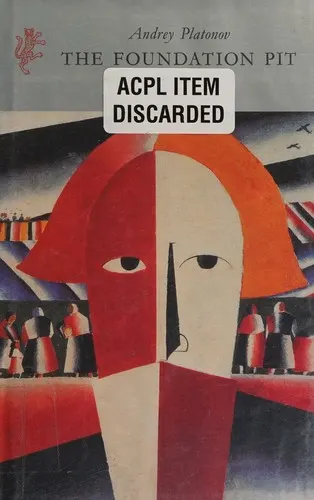
This is the essential next Platonov: shorter and more concentrated than Chevengur, as though its tragicomic vision had been placed under unbearable pressure. Dismissed for thinking too much, Voshchev joins laborers excavating the foundation for a vast communal home. Their work becomes at once practical, metaphysical, ridiculous, and terrifying.
Platonov’s uniquely estranged language is here in its purest form: bureaucratic phrases acquire souls, abstractions suffer bodily pain, and ideological certainty keeps colliding with human tenderness. Widely regarded as one of his masterpieces, The Foundation Pit distills everything that makes Chevengur inexhaustible into a devastatingly compact novel.
Erofeev turns a commuter-train journey into a drunken pilgrimage through the spiritual wreckage of Soviet life. His narrator, Venya, is a holy fool with an encyclopedic knowledge of alcohol, despair, poetry, and the strange hierarchies of angels. His elaborate cocktail recipes are simultaneously slapstick, folk art, and black mass.
Like Chevengur, the novel finds genuine innocence inside grotesque comedy. Official language is dismantled and rebuilt as prophecy; degradation keeps opening unexpectedly onto beauty. Circulated for years in samizdat, Moscow-Petushki became a fiercely beloved cult classic because it can make readers laugh helplessly while quietly breaking their hearts.
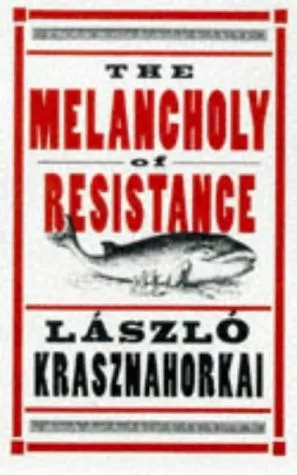
A shabby circus arrives in a frozen Hungarian town carrying an enormous stuffed whale, and the town’s latent dread begins to gather around it. Krasznahorkai watches rumor, resentment, ideology, and longing pass from person to person until an entire community seems to share one fevered mind.
The kinship with Chevengur lies in the fusion of apocalypse and absurdity, and in the compassion reserved for impractical visionaries. Krasznahorkai’s long, engulfing sentences make thought itself feel like weather, while the gentle Valuska—who stages the movements of the planets using drunks in a bar—belongs among fiction’s unforgettable utopian innocents. This landmark of modern European literature offers the rare experience of entering a complete, terrifying comic cosmos.