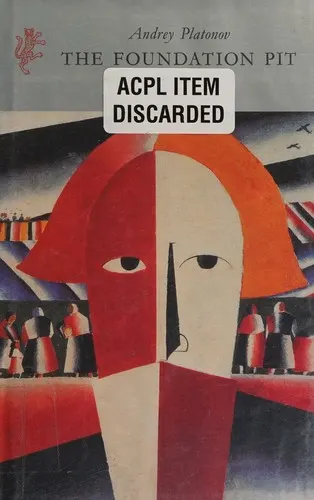
Books like The Foundation Pit
Years later, its sentences still lodge in the mind: mangled by official doctrine yet somehow capable of tenderness, comedy, and bottomless grief. These three novels exert a similarly unsettling pressure.
If you liked The Foundation Pit, you’ll love these
Not lookalikes — kindred books. Each one shares something essential with The Foundation Pit, and we tell you exactly what.
The essential next Platonov. In this sprawling, long-suppressed novel, wandering revolutionaries search for a place where communism has already arrived, carrying abstract convictions into stubborn, suffering reality.
Chevengur expands everything concentrated in The Foundation Pit: ideology infecting syntax, innocence becoming dangerous, and utopian hope remaining both ridiculous and heartbreakingly sincere. Stranger, looser, and more dreamlike than the later novella, it is Platonov’s great revolutionary epic—and indispensable evidence that his singular language could sustain an entire world.
Erofeev’s samizdat classic follows an eloquent, catastrophically drunk narrator traveling by train toward Petushki. His monologue mixes cocktail recipes, Soviet slogans, literary quotation, theology, and wounded confession until parody becomes lament.
A reader who loves Platonov’s ability to make debased public language disclose private sorrow will recognize the miracle here. Erofeev is more flamboyantly comic, but the laughter keeps opening onto metaphysical loneliness. Few underground works became so beloved: its phrases entered Russian cultural memory because beneath the virtuoso absurdity lies a voice of extraordinary vulnerability.
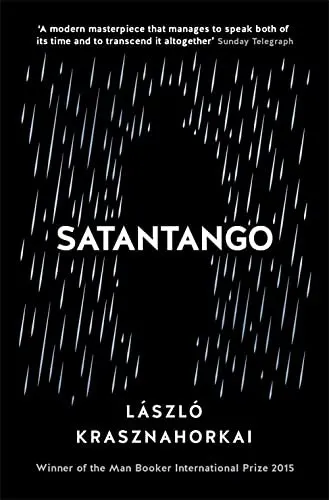
On a collapsing Hungarian collective farm, rain, debt, suspicion, and rumor bind a handful of stranded people together. Then news arrives that a man they believed gone is returning, and their exhausted lives tilt toward expectation.
Krasznahorkai’s immense, coiling sentences do what Platonov’s compressed distortions do by opposite means: they make hope, humiliation, calculation, and despair occupy the same breath. The novel’s tango-like structure repeatedly revisits its ruined community, exposing how desperately people need a future—and how easily that need can be organized against them. Now regarded as a modern European masterpiece, and famously adapted by Béla Tarr, Satantango offers the rare combination of formal audacity, bleak comedy, and compassion that makes The Foundation Pit inexhaustible.