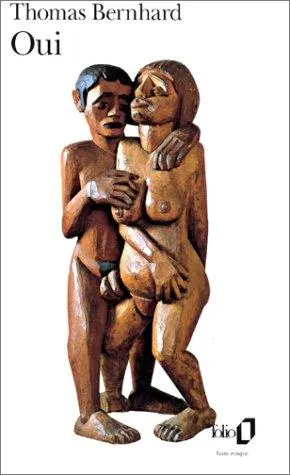
Books like Yes
A room closes around a mind; every attempt at explanation tightens the lock, until despair becomes horribly funny through the sheer precision of its logic. These novels turn consciousness into the scene of the disaster.
If you liked Yes, you’ll love these
Not lookalikes — kindred books. Each one shares something essential with Yes, and we tell you exactly what.

The novel begins with a shouted “No!”—the narrator’s answer when asked whether he has a child—and lets that refusal expand into a single, circling reckoning with survival, marriage, writing and the Holocaust. Like Bernhard, Kertész makes repetition dramatic: each qualification and reversal seems to promise clarity while driving the speaker deeper into his fixation.
Kertész’s black humor is crucial. The voice is not merely anguished but savagely alert to its own absurdities, turning self-analysis into both indictment and performance. Written by the future Nobel laureate at full intensity, this short novel has the concentrated force of an argument one cannot win or escape. Anyone enthralled by the verbal machinery of Yes should find Kaddish almost frighteningly congenial.
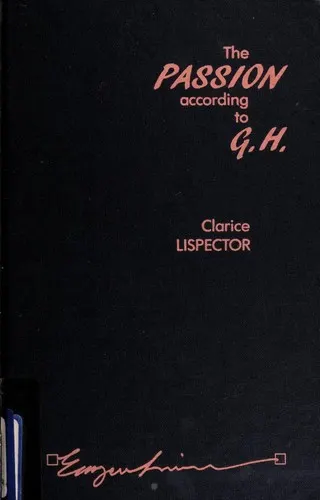
An affluent sculptor enters the recently vacated room of her maid and finds its severe order—and an unexpected creature—profoundly destabilizing. From that small disturbance, Lispector creates one of modern fiction’s most radical descents into consciousness.
Where Bernhard’s sentences worry experience into merciless intellectual patterns, Lispector’s language presses against the point where identity, language and ordinary human distinctions begin to dissolve. Her narrator repeatedly approaches an insight, recoils, then approaches again; the repetitions feel less like explanation than exposure. The result is intimate, appalling and strangely ecstatic. Widely regarded as one of Lispector’s defining masterpieces, it offers the rare intensity of a book that seems to alter its reader’s metabolism.
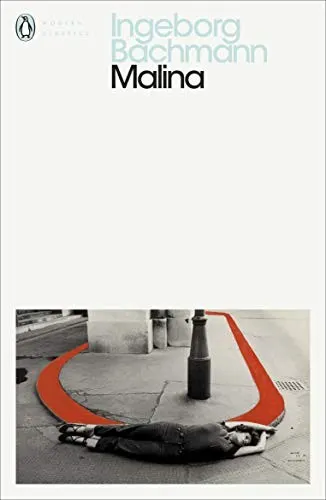
Bachmann’s narrator is a writer living in Vienna between two men: Ivan, the object of her consuming desire, and Malina, the composed, rational presence with whom she shares her home. Yet the real action occurs in her language—in telephone calls, broken declarations, memories and increasingly unstable attempts to give her life a coherent form.
A lover of Yes will recognize the sense that narration is simultaneously confession, accusation and autopsy. But Bachmann fractures the monologue into dialogue, dream and fable, allowing psychic violence to invade the novel’s very structure. The emotional extremity is sharpened by wit and unnerving formal control. Bachmann was one of the essential postwar German-language writers, and Malina, her only completed novel, has become a touchstone of feminist modernism: difficult, feverishly intelligent and impossible to substitute with a summary.