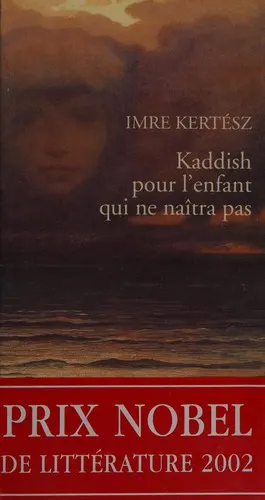
Books like Kaddish for an Unborn Child
A mind circles an intolerable fact until thought becomes accusation, confession, and self-erasure; these novels sustain that severe, hypnotic pressure without offering the consolation of easy redemption.
If you liked Kaddish for an Unborn Child, you’ll love these
Not lookalikes — kindred books. Each one shares something essential with Kaddish for an Unborn Child, and we tell you exactly what.
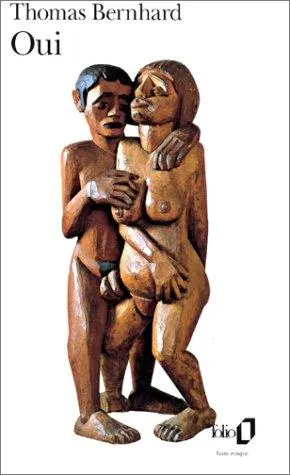
Bernhard’s short novel has the same frightening propulsion: one breathless consciousness worrying at its own history until repetition becomes both diagnosis and trap. Its narrator recounts his encounter with a Persian woman while continually revising motives, apportioning blame, and turning every apparent explanation against himself.
Bernhard, one of the great masters of obsessive monologue, makes syntax enact mental captivity. Yet the book’s bleakness is electrically alive—acerbic, exact, and grimly comic. If Kertész’s sustained act of negation felt less like reading a story than being locked inside an uncompromising intelligence, Yes is indispensable.
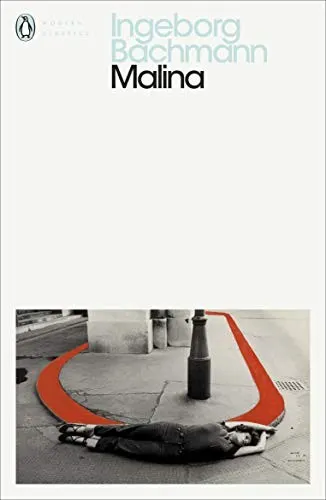
Malina begins with an unnamed woman divided between two men: Ivan, associated with desire and ordinary happiness, and Malina, the cool, controlling figure with whom she shares an apartment. But its real drama occurs inside language, where love, memory, fantasy, and historical violence invade one another.
Bachmann understood that catastrophe does not remain safely in the past; it enters intimacy, identity, and even grammar. The novel’s fractured forms—dialogue, letters, fairy tale, nightmare—make psychic destruction palpable in a way conventional realism could not. The only completed volume of Bachmann’s projected “Ways of Death” cycle, Malina has become a landmark of postwar German-language literature and a fiercely cherished book. It offers the rare sensation of watching a novel invent the form its wound requires.
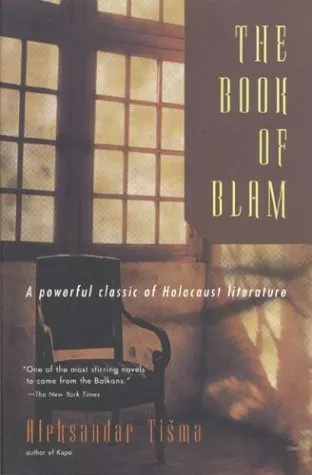
Miroslav Blam walks through postwar Novi Sad among places still inhabited, in his mind, by people who were murdered. He survived largely through circumstance, and Tišma makes that survival feel not triumphant but morally destabilizing: Blam scrutinizes his passivity, estrangement, and good fortune as though they constituted evidence against him.
Where Kertész uses a torrent of speech, Tišma works with chilling restraint. Streets, cafés, and remembered acquaintances accumulate into an indictment that nobody can answer. Widely regarded as Tišma’s masterpiece, The Book of Blam is one of the most penetrating novels about survivor guilt—not because it explains that guilt, but because it gives it a whole city to haunt. Its quietness makes it devastating.