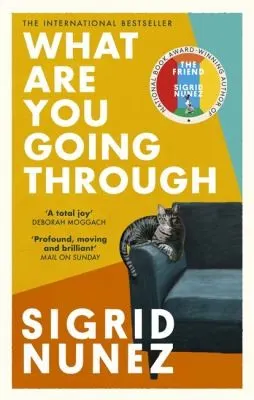
Books like What Are You Going Through
What do we owe someone we love when listening, comforting, and simply staying beside them may be all we can offer? These novels share Nunez’s unsentimental compassion, searching intelligence, and faith in attention as a form of care.
If you liked What Are You Going Through, you’ll love these
Not lookalikes — kindred books. Each one shares something essential with What Are You Going Through, and we tell you exactly what.
Helen prepares her spare room for Nicola, an old friend with terminal cancer who is pursuing a dubious alternative treatment. What follows is not a consoling portrait of saintly caregiving but a fierce examination of friendship under pressure: tenderness competes with anger, exhaustion, skepticism, and fear.
Garner, one of Australia’s most revered writers, has Nunez’s gift for stripping moral questions of their reassuring abstractions. Her prose is tauter and more combustible, yet just as alert to the indignities surrounding illness and to the terrible difficulty of respecting another person’s choices. Few novels admit so honestly that love may include impatience and disbelief. If Nunez’s refusal of easy virtue moved you, this devastatingly lucid book is indispensable.
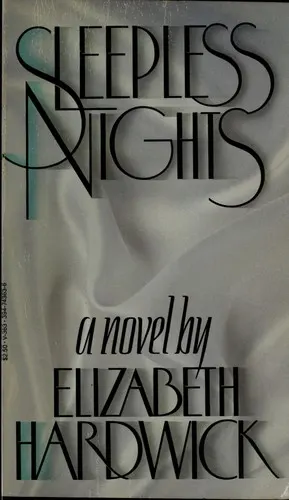
This 1979 novel moves through remembered rooms, friendships, overheard lives, vanished lovers, and solitary nights rather than along a conventional plot. Its narrator keeps turning away from herself toward other people—especially those whose suffering or strangeness might otherwise go unrecorded.
That associative movement will feel deeply familiar to a Nunez reader: anecdote becomes meditation, other people’s stories alter the teller, and cultural observation sits naturally beside grief. Hardwick’s sentences are sharper-edged and more glittering, but they possess the same skeptical intimacy. Long regarded as a landmark of fragmentary autobiographical fiction, Sleepless Nights helped make possible the kind of formally free, intellectually alive novel Nunez writes. Reading it feels like discovering an essential ancestor.
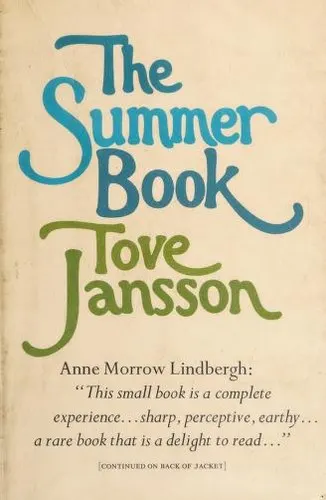
On a small Finnish island, an elderly woman and her young granddaughter talk, quarrel, explore, invent games, and contemplate the natural world. Jansson builds the novel from brief episodes whose apparent slightness conceals enormous emotional weight: a storm, a dead animal, a difficult question, a moment of irritation between two people who understand each other almost too well.
Like Nunez, Jansson distrusts both sentimentality and solemnity. Mortality is everywhere, but so are comedy, stubbornness, boredom, and sensuous pleasure. The grandmother never turns into a dispenser of wisdom; the child is neither innocent nor symbolic. Their companionship remains prickly, private, and real. This beloved modern classic performs a rare feat: it makes acceptance of death feel inseparable from sharper attention to life.