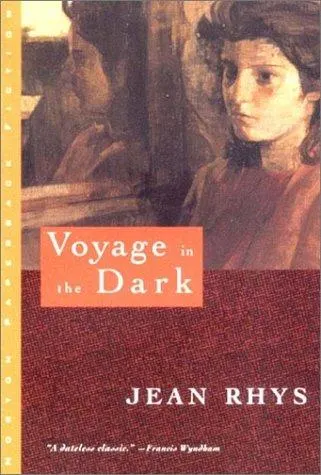
Books like Voyage in the Dark
A gray English street drops like a curtain, while behind it Anna’s lost Caribbean world still burns in color. These novels share Rhys’s ability to turn displacement, dependence, and private dread into prose of unnerving beauty.
If you liked Voyage in the Dark, you’ll love these
Not lookalikes — kindred books. Each one shares something essential with Voyage in the Dark, and we tell you exactly what.
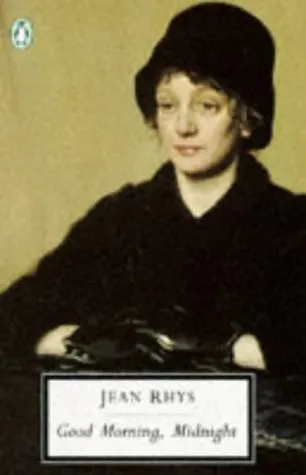
Rhys returns to the rented rooms, cafés, precarious finances, and punishing sexual bargains of Voyage in the Dark, but with an older heroine and an even sharper command of emotional rhythm. Sasha has come back to Paris determined to keep her days orderly; almost immediately, memories and small humiliations begin pressing through that fragile plan.
The novel’s bleakness is inseparable from its savage comedy: a dress, a drink, or a hotel clerk’s glance can become both absurd and devastating. Long neglected after its 1939 publication, it is now widely regarded as Rhys’s masterpiece. If Voyage in the Dark showed you how much terror can hide inside a simple sentence, Good Morning, Midnight is the indispensable culmination of that art.
Helga Crane, introduced suffocating within the respectable discipline of a Southern school, possesses Anna Morgan’s fatal alertness to atmosphere. She reads rooms through colors, fabrics, voices, and tiny changes in courtesy; she also understands that other people are always trying to assign her a role. Her search for somewhere she can live without falsifying herself gives the novel its restless momentum.
Larsen adds race and respectability to the traps of money, sex, and belonging that Rhys exposes. Yet Quicksand never becomes schematic: Helga is proud, perceptive, contradictory, and hungry for beauty. A foundational Harlem Renaissance novel, it has the compression of a classic and the intimacy of a confession overheard at dangerous proximity.
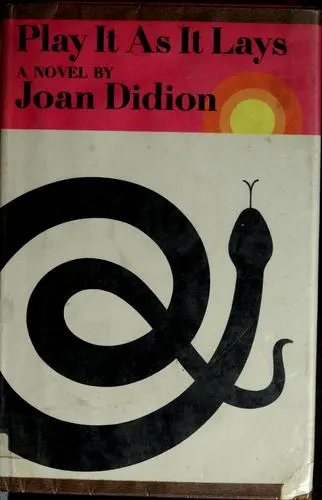
Didion’s Maria Wyeth inhabits a radically different landscape—freeways, film sets, desert heat—but experiences it with the same estranged clarity Anna brings to England. She drives because motion is easier than thought, watching signs and lane markings with a concentration that barely holds despair at bay. Men speak in arrangements and instructions; Maria answers with a coolness that is part style, part survival mechanism.
The short chapters and stripped dialogue make this one of Didion’s fiercest novels: everything explanatory has been cut away, leaving gestures, silences, and power. Its cult reputation rests on more than fashionable nihilism. Like Rhys, Didion makes apparent passivity intensely dramatic—and makes a woman whom others dismiss impossible for the reader to dismiss.