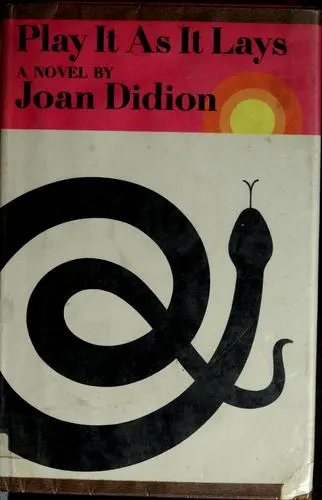
Books like Play It as It Lays
Richard Yates’s quiet East Coast tragedy may seem far from Didion’s sun-blasted Hollywood, but it runs on the same terrible fuel: fatalism, emotional vacancy, and prose that refuses to soften the blow. From there, these choices move toward Didion’s unnerving compression and fractured cool.
If you liked Play It as It Lays, you’ll love these
Not lookalikes — kindred books. Each one shares something essential with Play It as It Lays, and we tell you exactly what.
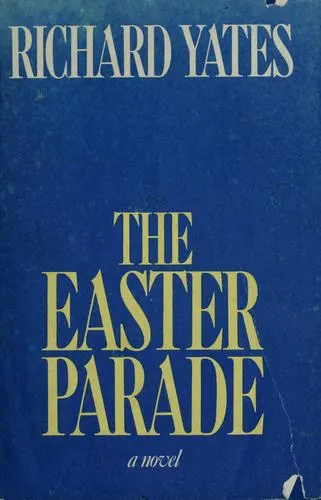
Its famous first sentence—“Neither of the Grimes sisters would have a happy life”—removes suspense and replaces it with dread. Like Didion, Yates is interested less in what will happen than in how people continue after happiness has ceased to seem plausible.
The novel follows two sisters through sharply divergent lives, rendering decades through ruthless selection: a room, a drink, a failed remark can expose an entire marriage. Yates’s restrained realism looks unlike Didion’s fragmentation, but both writers make omission devastating; neither explains pain when a gesture can disclose it. Often regarded by Yates devotees as his finest novel, The Easter Parade is one of the bleakest and most exact books about the stories people use to survive their own lives.
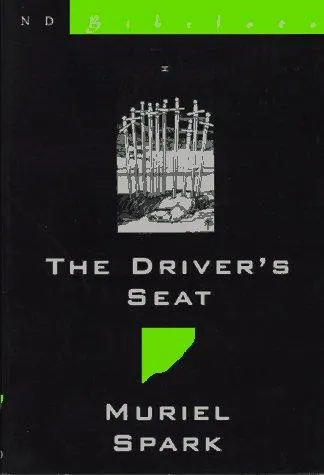
This brief, ferocious novel has the same sense that ordinary reality has become a thin surface stretched over something incomprehensible. Lise arrives at a department store in violently clashing clothes, then travels through Europe with a purpose that Spark reveals obliquely. Every encounter feels at once banal, comic, and preordained.
Spark’s prose is even more mischievous than Didion’s, but it shares her radical economy and refusal of psychological reassurance. The book moves with the clean speed of a nightmare whose dreamer insists she is awake. Spark considered it among her best works, and its cult reputation is deserved: few novels are so short, so funny, or so profoundly disturbing.
If what you loved most was Didion’s broken-backed form—the white space, abrupt memories, ominous facts, and sentences that seem cool because panic would be less precise—read Speedboat. Its narrator, Jen Fain, moves through journalism, teaching, parties, travel, love affairs, and urban absurdities, but the real action lies in the ruthless connections her mind makes.
Adler turns fragmentation into an instrument of alertness. Anecdotes flash and vanish; social comedy suddenly opens onto dread; apparently casual observations acquire the force of verdicts. Winner of the Hemingway Foundation/PEN Award for a debut novel, it later became a fiercely cherished cult classic. Speedboat does not imitate Didion, but it offers the same rare exhilaration: consciousness made sharp enough to cut through the world’s noise.