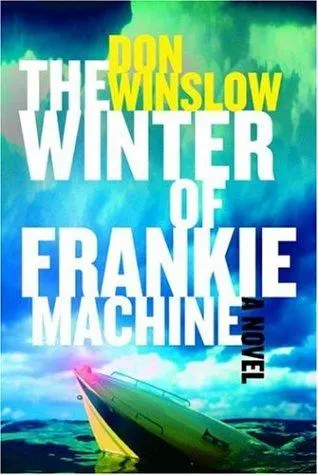
Books like The Winter of Frankie Machine
The Winter of Frankie Machine and The Friends of Eddie Coyle share the hard wisdom that surviving a criminal life may be more painful than dying in one.
If you liked The Winter of Frankie Machine, you’ll love these
Not lookalikes — kindred books. Each one shares something essential with The Winter of Frankie Machine, and we tell you exactly what.
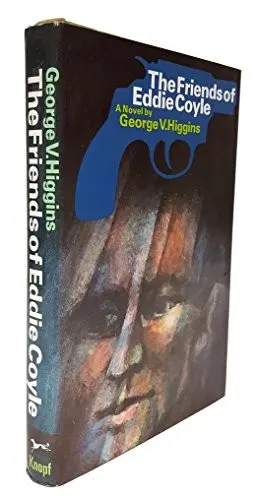
Eddie Coyle is an aging Boston gunrunner facing prison and discovering that years of favors, loyalties, and professional discretion may buy him very little. Like Frankie, he is neither romanticized nor reduced to a thug: he is a skilled working man whose trade happens to be crime, and Higgins understands every transaction, hierarchy, and veiled threat that structures his world.
The novel is leaner and colder than Winslow’s, driven by dialogue so exact that whole lives emerge from what its criminals refuse to say. Elmore Leonard famously called it the best crime novel ever written, and its influence runs through modern crime fiction. If Frankie’s competence, melancholy, and belated reckoning held you, Eddie Coyle is indispensable.
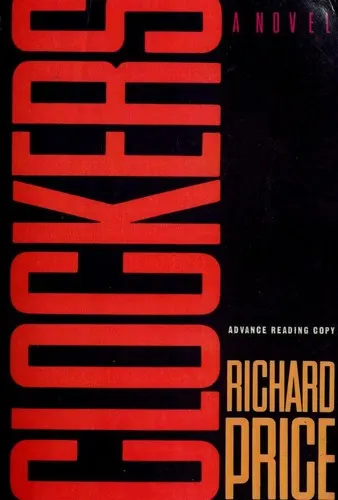
What Winslow does for the hidden history and daily mechanics of organized crime, Richard Price does for a drug market and the detectives policing it. Clockers begins with a murder, a confession, and a cop who thinks the story is too convenient; from there, Price makes every corner, interrogation, and minor exchange feel charged with competing needs.
Its great kinship with Frankie Machine lies in its refusal to separate criminal procedure from human consequence. Price knows how money moves, how authority sounds, and how men build identities out of reputations they can no longer control. The dialogue is electric, but the compassion beneath it is what gives the book its force. Long regarded as a landmark of American crime fiction—and memorably adapted by Spike Lee—it offers the same rare combination of street knowledge, moral complexity, and narrative momentum.
This is the unexpected match: not a crime novel, but a fierce, funny, bruising book about the emotional world beneath Frankie’s code. Henry Molise returns to his California hometown to deal with his aging Italian-American father, Nick, a domineering bricklayer whose pride, appetites, violence, and extraordinary skill have shaped the entire family.
Fante writes masculinity as both inheritance and trap. Like Winslow, he understands men who express love through work, loyalty, insults, and stubborn acts rather than confession; he also understands the terror of becoming obsolete. The masonry scenes possess the same tactile authority as Frankie preparing for danger: competence becomes character. Fante’s devoted reputation rests on prose that can turn from comic fury to heartbreak in a line, and this compact late novel reaches the family sorrow that gives Frankie’s winter its deepest chill.